Layer 2 Switching in Virtualized Environments
Layer 2 Switching in Network Virtualized Environments
In today’s complex network environments, understanding layer 2 switching is crucial, especially within network virtualization. This guide aims to provide a comprehensive overview of layer 2 switching, its mechanisms, and its significance in modern network infrastructure. Whether you are a seasoned network administrator or new to the field, this resource will help you grasp the essential concepts and practical applications of layer 2 switching.
Overview of Layer 2 Switching

Understanding Layer 2 Switch
Layer 2, also known as the network load management data link layer capabilities for network devices or link layer, is the layer in the OSI model responsible for transferring data between two directly connected devices across a physical network layer of the OSI. This layer utilizes MAC addresses to identify network nodes within a local area network (LAN). The primary function of layer 2 is to provide error-free transmission of data frames between nodes on the same network segment. Understanding layer 2 is fundamental to designing efficient and reliable computer networks.
How Layer 2 Switches Work
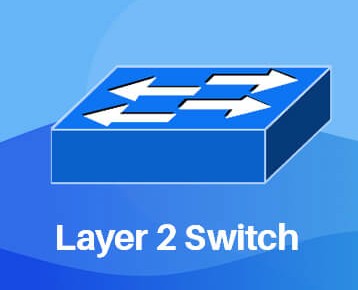
Layer 2 switches, often referred to as network switches or Ethernet switches, operate by learning the MAC addresses of connected devices and using this information to forward Ethernet frames only to the appropriate switch port. When a switch receives a frame, it examines the destination MAC address and consults its MAC address table. This process significantly enhances network reliability reduces network load network congestion and improves network performance compared to older technologies like hubs. Switches enhance network segmentation and facilitate efficient data flow within the local network.
Importance of Layer 2 in Network Infrastructure
The importance of layer 2 in network infrastructure cannot be overstated, particularly in modern data centre and network environments within a network where efficient network segmentation is essential. Layer 2 switching forms the foundation for creating virtual networks and supporting network virtualization technologies. By utilizing VLANs and the spanning tree protocol, network administrators can effectively manage network traffic, prevent network loops, and enhance network security across the network. Understanding how to configure and optimize layer 2 networks is vital for maintaining a robust and scalable network infrastructure.
Layer 2 vs Layer 3 Switching

Differences Between Layer 2 and Layer 3 Switches
The primary distinction between layer 2 and layer 3 switches lies in their switching capabilities and the network layer at which they operate. Here’s a breakdown of their key differences:
| Feature | Layer 2 Switch | Layer 3 Switch |
|---|---|---|
| Operating Layer of the OSI model | Data Link Layer | Network Layer |
| Forwarding Decision Basis | MAC addresses | IP addresses |
A layer 2 switch, also known as an Ethernet switch, operates at the data link layer. In contrast, a layer 3 switch, sometimes called a routing switch, operates at the network layer. This means that layer 3 switches can perform routing between different network segments, while layer 2 switches are limited to forwarding traffic within a single local area network (LAN) or VLAN.
When to Use Layer 2 and Layer 3 Switches
Choosing between layer 2 and layer 3 switches depends on the specific network design requirements. Here’s a comparison of their typical use cases:
| Switch Type | Typical Environment |
|---|---|
| Layer 2 Switches | Local area network (LAN) environments where the primary need is to efficiently forward Ethernet frames within the same network segment. Commonly used in small to medium-sized businesses to improve network performance and reduce network reliability issues network congestion. |
| Layer 3 Switches | Larger network environments, such as data centres or enterprise networks, where routing between different network segments is necessary. Facilitate communication between VLANs and enable more complex network topologies. |
Routing Capabilities of Layer 3 Switches
Layer 3 switches possess routing capabilities that enable them to forward network traffic between different network segments, much like traditional routers. These switches can interpret IP addresses and use routing protocols to determine the best path for data packets. By supporting routing protocols, layer 3 switches can dynamically learn network routes and adapt to changes in the network reliability network topology. This makes them well-suited for network environments that require efficient and intelligent network traffic management across multiple network segments. Furthermore, layer 3 switches enhance network scalability and provide advanced network management features.
Configuring Layer 2 Switches

Basic Configuration Steps for Layer 2 Switches
Configuring layer 2 switches effectively is paramount for establishing a robust and secure network infrastructure. The initial steps involve accessing the switch‘s command-line interface (CLI) or web-based interface, typically through a console connection or SSH. Network administrators utilize Cisco switches must then configure a management IP address, set up administrative credentials, and enable essential services such as the link layer discovery protocol (LLDP). Proper configuration of these network settings ensures that the switch is accessible and manageable within the network. Securing the switch with strong passwords and access controls is crucial to prevent unauthorized access and maintain network security.
Setting Up VLANs on Layer 2 Switches
Virtual LANs (VLANs) are indispensable for network segmentation within a layer 2 network. To set up VLANs, network administrators must first define VLAN IDs and names, then assign switch ports to specific VLANs. This process logically separates network segments, enhancing network security and improving network performance by isolating network traffic. Inter-VLAN routing can be achieved using a layer 3 switch or router, enabling communication between different network segments while maintaining network segmentation. The setup process involves the following steps:
| Step | Action |
|---|---|
| Configuration | Define VLAN IDs and names for network devices |
| Assignment | Assign switch ports to specific VLANs |
The proper implementation of VLANs ensures that network resources are efficiently utilized and network policies are effectively enforced, safeguarding Your Enterprise, Ensuring Tomorrow’s Success.
Best Practices for Layer 2 Network Configuration
Adhering to best practices in layer 2 network configuration is critical for maintaining a stable and secure network environment. It is essential to implement the spanning tree protocol (STP) to prevent network loops and ensure network redundancy. Regularly updating Cisco Discovery Protocol switch firmware and monitoring network performance helps identify and address potential issues proactively. Proper documentation of the network design, including VLAN assignments and port configurations, is vital for efficient network management and troubleshooting. Additionally, implementing access control lists (ACLs) and enforcing strong password policies enhance network security, assuring Your Infrastructure is Secure, Safe. This approach ensures the network operates efficiently and reliably, minimizing downtime and maximizing network performance.
Layer 2 Switching in Data Centres

Role of Layer 2 Switches in Data Centre Architecture
In modern data centres, layer 2 switches play a critical role in providing high-speed, low-latency connectivity. These switches facilitate efficient data transfer within the data centre, supporting various applications and services. The use of layer 2 switching allows for effective network segmentation, enabling network administrators to isolate network traffic and enhance network security. By employing VLANs and the spanning tree protocol, layer 2 networks in data centres ensure reliable and scalable network infrastructure. These features improve network efficiency and support the high demands of modern network environments.
Integrating Layer 2 Switches with Virtual Switches
Integrating layer 2 switches with virtual switches is essential in network virtualization environments. Virtual switches operate within hypervisors, enabling communication between virtual machines on the same host. By connecting layer 2 switches to virtual switches, network administrators can extend VLANs and network policies across the physical network and the virtual network. This integration allows for consistent network management and ensures that network traffic is efficiently routed between physical and virtual resources. This seamless integration enhances network scalability, making it easier to manage complex network environments.
Performance Considerations for Layer 2 Networks
When designing layer 2 networks, several performance considerations must be taken into account. The choice of switch ports, network topology, and the configuration of VLANs can significantly impact network performance. It is crucial to select switches with sufficient bandwidth and processing power to handle the expected network traffic. Implementing quality of service (QoS) policies can prioritize critical applications, ensuring optimal network performance. Regularly monitoring network performance and optimizing network configuration are essential for maintaining a high-performing layer 2 network. We assure Your Infrastructure is Secure, Safe.
Virtual Networks and Layer 2 Switching

Understanding Virtual Switches
Virtual switches are software-based switches that reside within hypervisors, enabling communication between virtual machines. They operate at the data link layer, using MAC addresses to forward Ethernet frames between virtual network interfaces. Virtual switches support VLANs, allowing network administrators to segment network traffic within the virtualized environment. Unlike physical layer 2 switches, virtual switches are managed through the hypervisor’s management interface, providing a centralized point of control for network virtualization. The switching capabilities offered by virtual switches is essential for creating flexible and scalable virtual networks.
Layer 2 Networking in Virtualized Environments
In virtualized environments, layer 2 networking plays a vital role in connecting virtual machines and providing network segmentation. Network administrators can use VLANs to isolate network traffic between different network segments, enhancing network security and network performance. Integrating virtual switches with physical layer 2 switches allows for seamless communication between virtual and physical resources. Proper configuration of layer 2 networks in virtualized environments ensures that network policies are consistently enforced and that network resources are efficiently utilized. Ensure Tomorrow’s Success
Challenges and Solutions in Virtual Layer 2 Networks
Managing virtual layer 2 networks presents several challenges, including network complexity, VLAN sprawl, and the need for consistent network policies across physical and virtual environments. One solution is to use network virtualization platforms that provide centralized network management and automation capabilities. These platforms simplify the configuration and monitoring of virtual networks, allowing network administrators to efficiently manage VLANs, enforce network security policies, and optimize network performance. Implementing network automation tools can also help reduce manual configuration and minimize the risk of errors. Safeguarding Your Enterprise, Ensuring Tomorrow’s Success.

How does a VLAN-capable ethernet switch implement layer 2 switching in virtualized environments?
In virtualized environments a vlan-capable ethernet switch implements layer 2 switching by mapping virtual machine interfaces to VLAN IDs and forwarding frames based on MAC addresses at the link layer of the OSI. This uses layer 2 switching capabilities to separate traffic so multiple virtual networks can share the same physical network while remaining isolated. Ports on a switch (or virtual switch ports) are assigned to VLANs so the switch works at layer 2 and enforces separation without routing, enabling efficient use of network resources across the entire network or certain network segments.
What protocol features on a network device prevent loops when using virtual switches?
Network devices and virtual switches use protocols such as Spanning Tree Protocol (STP) — a layer 2 extensions bridge mechanism — to prevent network loops by blocking redundant paths. In virtualized environments, many hypervisors implement STP-compatible behaviour or rely on software-based loop prevention so layer 2 switches are often able to maintain stable topologies. Proper configuration ensures the overall network avoids broadcast storms and reduces network congestion.
Why would an organization deploy a cisco switch or virtual switch rather than rely solely on layer 3 routing?
Deploying a cisco switch or a virtual ethernet switch for layer 2 switching is often chosen because switches reduce network congestion by performing MAC-based forwarding and allowing traffic to stay local to the same broadcast domain. Compared to layer 3, layer 2 switching capabilities provide lower latency and enable virtual machines to share the same physical network while maintaining VLAN isolation. Layer 2 switches support scenarios where the port on a layer 2 device must be in the same VLAN or share the same physical network for protocols that require broadcast or non-routable traffic.
How do ports on a switch map to virtual machine NICs and what does that mean for the entire network?
Ports on a switch, whether physical or virtual, are mapped to virtual machine NICs and can be configured as access or trunk ports. An access port binds a VM NIC to a single VLAN, while a trunk port carries multiple VLANs. This mapping influences the entire network by defining which devices in a network can communicate at layer 2 and which traffic must be routed at layer 3. Proper port configuration ensures support for layer 2 services and efficient use of network resources across the data centre.
Can layer 2 extensions bridge traffic between data centres and how does that affect certain network designs?
Layer 2 extensions bridge traffic between data centres by stretching VLANs across WAN links or using encapsulation protocols. This preserves MAC-level connectivity so virtual machines can be migrated without changing IPs. However, extending layer 2 across sites increases the broadcast domain size and can introduce risks unless mechanisms like VLAN segmentation, EVPN, or careful network design are used. For some architectures, maintaining support for layer 2 across sites is essential for legacy applications; for others, routing at layer 3 is preferred to limit the impact on the overall network.
How do 2 switches are often used in high-availability virtual environments to support VM mobility?
2 switches are often used in pairs or clusters with features like link aggregation and failover to provide redundancy for VM mobility. When a hypervisor moves a VM between hosts, the layer 2 switching fabric must ensure the MAC learning tables and ARP information are updated so traffic follows the VM. Switches that support rapid convergence and distributed MAC learning help maintain session continuity and reduce downtime, demonstrating how a switch is a network device central to maintaining high availability.
What are the trade-offs between using switch works at layer 2 features versus moving to a routed design?
Using switch works at layer 2 features simplifies certain deployments by allowing devices in a network to remain in the same broadcast domain and by supporting non-routable protocols, which can be important for legacy applications. The trade-offs include larger broadcast domains, potential for network loops if not controlled, and less effective traffic isolation compared to layer 3 segmentation. Routed designs (compared to layer 3) improve scalability, security, and control at the cost of more complex network addressing and potential need for reconfiguration during VM migrations.
How do modern virtualized environments ensure efficient use of network resources with layer 2 switches?
Modern virtualized environments ensure efficient use of network resources by leveraging VLANs, distributed virtual switches, QoS, and offloading features to reduce broadcast traffic and balance load across physical NICs. Layer 2 switches support VLAN tagging and trunking so multiple virtual networks can share the same physical interfaces. Combined with monitoring and automation, these capabilities allow the network to optimize throughput, minimize congestion, and provide predictable performance for multi-tenant or multi-application deployments.