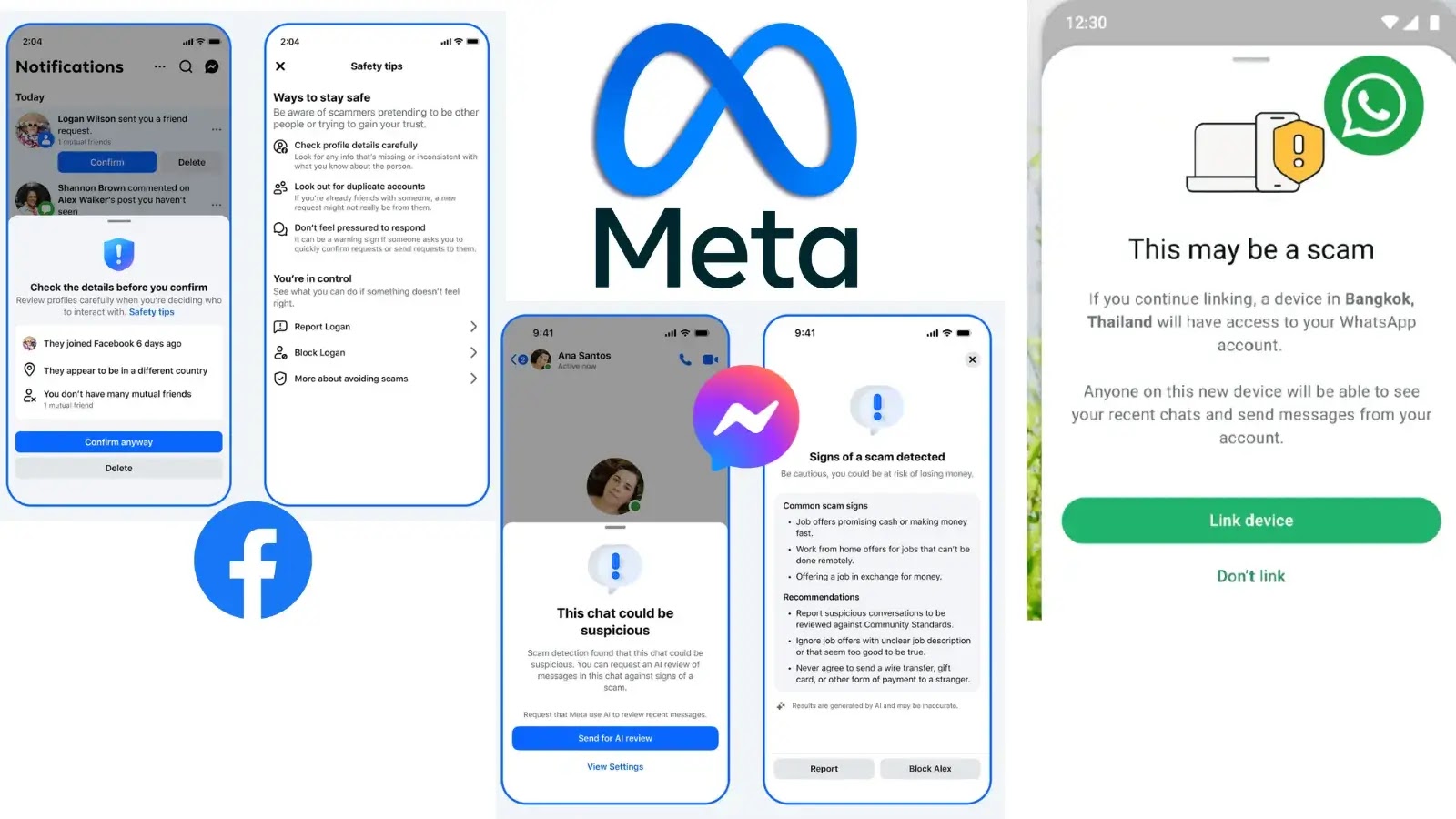
Meta Launches New Anti-Scam Tools on WhatsApp, Facebook and Messenger
Meta Fortifies Defenses: New Anti-Scam Tools Arrive on WhatsApp, Facebook, and Messenger
The digital landscape is a battleground, and the fight against online fraud is escalating. As sophisticated social engineering tactics become increasingly prevalent, platforms like Meta, which host billions of users, bear a significant responsibility in safeguarding their community. Recognizing this imperative, Meta has rolled out a comprehensive suite of advanced anti-scam tools across its flagship platforms: WhatsApp, Facebook, and Messenger. This initiative signals a strategic shift towards more proactive and intelligent defense mechanisms against the growing “industrialization of online fraud.”
The Industrialization of Online Fraud: A Modern Threat
Scammers are no longer lone wolves; they operate as organized networks, leveraging advanced techniques and widespread reach to exploit vulnerabilities. This “industrialization” means that fraud attempts are more numerous, more refined, and more challenging to detect through traditional methods. From convincing phishing campaigns to elaborate romance scams and investment frauds, the sheer volume and psychological manipulation involved demand a robust, multi-layered defense.
A Multi-Pronged Approach: AI, Behavioral Alerts, and Law Enforcement
Meta’s new anti-scam offensive is built upon three core pillars:
- Artificial Intelligence (AI): At the heart of these new tools is advanced AI. This technology is designed to analyze vast amounts of data, identifying patterns and anomalies indicative of fraudulent activity. Unlike rule-based systems, AI can adapt to evolving scam techniques, learning from new threats in real-time.
- Behavioral Alerts: Proactive protection is paramount. Meta has integrated specific warning mechanisms directly into its ecosystem. These alerts can be triggered by suspicious behaviors, content, or interactions, notifying users of potential risks before they become victims. This includes flagging unusual login attempts, suspicious links, or messages containing known scam indicators.
- Global Law Enforcement Partnerships: Combating organized fraud requires a coordinated effort. Meta is strengthening its collaboration with law enforcement agencies worldwide. This partnership facilitates the sharing of threat intelligence, enables faster action against criminal networks, and aids in the prosecution of fraudsters. This cooperative approach extends beyond individual platforms, recognizing that cybercrime often transcends national borders.
Specific Warning Mechanisms in Action
Beyond the broad strokes of AI and partnerships, Meta has implemented concrete, user-facing warning systems:
- WhatsApp: Users may encounter warnings about suspicious links or messages from unknown contacts that exhibit characteristics of common scam attempts. The platform is also enhancing its ability to detect and flag automated scam messages.
- Facebook: Enhanced algorithms are at work to identify and flag fake profiles, suspicious advertisements, and posts promoting fraudulent schemes. Users might see warnings when interacting with profiles that have unusually high engagement from new accounts or disproportionate followings.
- Messenger: Similar to WhatsApp, Messenger is deploying AI to detect potentially harmful communications, including phishing attempts, impersonation scams, and requests for money under dubious circumstances. These warnings aim to give users a moment of pause before engaging further.
Remediation Actions for Users
While Meta is stepping up its game, user vigilance remains a critical defense layer. Here are actionable steps you can take:
- Enable Two-Factor Authentication (2FA): This adds an extra layer of security to your accounts. Even if a scammer obtains your password, they cannot access your account without the second factor. This is a fundamental security practice, often overlooked.
- Be Skeptical of Unsolicited Messages: Treat any unexpected message, especially those asking for personal information, money, or to click on a link, with extreme caution. Verify the sender’s identity through an alternative, trusted channel.
- Report Suspicious Activity: Use the built-in reporting tools on WhatsApp, Facebook, and Messenger to flag any scam attempts or suspicious profiles. Your reports contribute to the collective defense and help Meta’s AI learn.
- Hover Before You Click: Before clicking on any link, hover your mouse over it (desktop) or long-press it (mobile) to preview the URL. Ensure it leads to a legitimate domain and not a deceptive one.
- Educate Yourself: Stay informed about common scam tactics. Resources like the Federal Trade Commission (FTC) or local cybercrime units often provide up-to-date information on prevalent scams.
Conclusion
Meta’s introduction of these advanced anti-scam tools across WhatsApp, Facebook, and Messenger marks a significant step forward in protecting users from the pervasive threat of online fraud. By combining artificial intelligence, proactive behavioral alerts, and essential partnerships with global law enforcement, the company is demonstrating a commitment to creating a safer digital environment. While these technological advancements are crucial, user education and active participation in reporting suspicious activities remain indispensable components of a robust cybersecurity posture.