Microsoft 365 Admin Center Outage Hits users in North America
Microsoft 365 Admin Center Outage Plagues North American Users
Few things send a chill down an IT administrator’s spine quite like losing control of their core management console. For many organizations in North America, that became a stark reality recently as the Microsoft 365 Admin Center experienced a significant outage. This service degradation has left administrators scrambling, impacting critical operations and raising concerns about service reliability.
Understanding the Impact: What Happened?
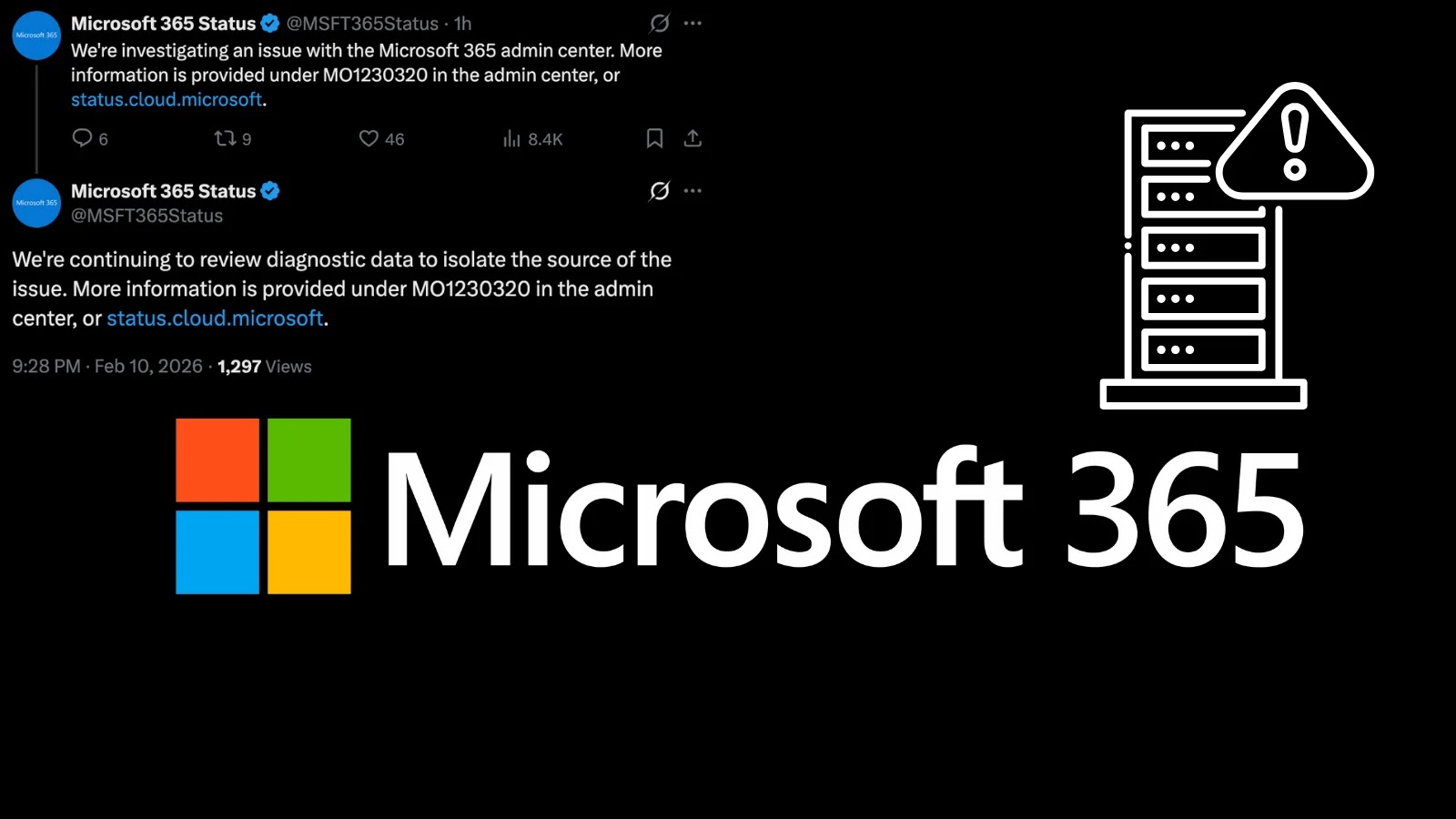
The outage, officially confirmed by Microsoft’s service health dashboard under Issue ID MO1230320, has primarily affected Microsoft 365 administrators across North America. The core issue revolves around widespread access problems to the Microsoft 365 admin center itself. While the specific root cause is often complex and multi-faceted, the immediate consequence for affected organizations is a severe disruption to essential management tasks.
Critical Functions Impaired by the Outage
The Microsoft 365 admin center is the nerve center for managing an organization’s suite of Microsoft services. When access is compromised, administrators lose the ability to perform a myriad of vital functions. These include, but are not limited to:
- User Provisioning and Management: Creating new user accounts, modifying existing permissions, or disabling compromised accounts becomes impossible. This directly impacts onboarding, offboarding, and security incident response.
- Security Configurations: Adjusting security policies, implementing conditional access rules, or monitoring security alerts are all hindered. This leaves organizations vulnerable to emerging threats and compliance breaches.
- Compliance Monitoring and Reporting: Generating compliance reports, auditing user activity, or managing data retention policies are critical for regulatory adherence. The outage severely impedes these functions, potentially leading to non-compliance.
- Service Health Monitoring: Administrators rely on the admin center to view the health of their various Microsoft 365 services. Without access, they are effectively blind to other potential service degradations or issues within their tenant.
- License Management: Assigning or revoking licenses for various Microsoft 365 products is a fundamental administrative task. Inability to do so can lead to service interruptions for end-users or unnecessary license expenditure.
Microsoft’s Response and Service Health Communication
Microsoft acknowledged the issue on their service health dashboard, which is the primary channel for communicating such incidents. While the initial report confirms a “service degradation” affecting the core Microsoft 365 suite, specific details regarding resolution timelines and affected services are typically updated as the situation evolves. Relying on official channels like the Microsoft 365 Service Health Dashboard remains crucial for affected administrators.
Implications for IT Professionals and Organizations
This incident underscores the inherent challenges of cloud-based service reliance. While cloud services offer immense benefits in scalability and accessibility, outages like this highlight the importance of:
- Redundancy and Backup Strategies: Organizations should review their disaster recovery plans and ensure they have contingencies for managing critical user and security functions, even when primary management interfaces are unavailable.
- Proactive Monitoring: Implementing third-party monitoring solutions that can detect connectivity or functionality issues independent of the Microsoft 365 Admin Center can provide an earlier warning and allow for proactive mitigation.
- Communication Protocols: Establishing clear internal communication protocols for service outages is essential to inform end-users and stakeholders about potential disruptions and expected timelines.
- Vendor Risk Management: Regularly assessing the reliability and incident response capabilities of critical cloud service providers like Microsoft is a fundamental aspect of robust cybersecurity posture.
No Specific CVEs Associated (Service Outage, Not Vulnerability)
It’s important to clarify that this incident is a service outage due to degradation, not a security vulnerability. Therefore, there are no specific Common Vulnerabilities and Exposures (CVE) identifiers associated with it. CVEs, such as CVE-2023-12345, are typically assigned to discoverable flaws in software or hardware that can be exploited by attackers.
Key Takeaways for Resilience
The recent Microsoft 365 Admin Center outage serves as a potent reminder of the importance of resilience in modern IT environments. While cloud providers strive for ninety-nine-point-nine-nine-nine percent uptime, temporary service degradations are an inevitable part of complex global infrastructures. Organizations must prioritize robust preparedness, diverse management strategies, and clear communication plans to navigate such events effectively and minimize operational impact.