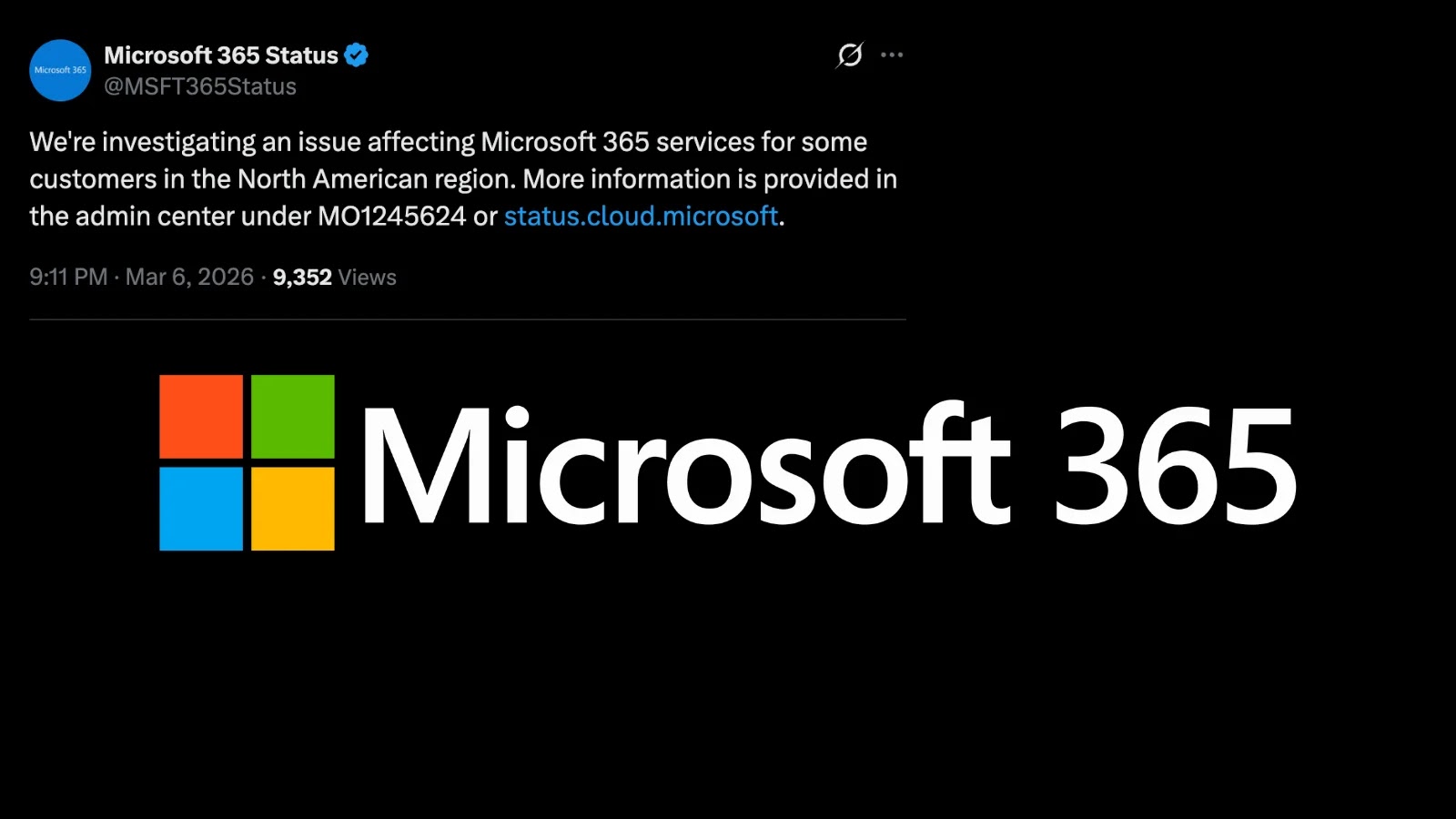
Microsoft 365 Outage Hits North America as CDN Misconfiguration Disrupts Multiple Services
In an increasingly interconnected digital landscape, reliance on cloud services is paramount for businesses and individuals alike. When these critical services falter, the impact can be immediate and widespread. Recently, Microsoft 365, a cornerstone for millions of users, experienced a significant service disruption across North America, underscoring the delicate balance required for maintaining robust online infrastructure. This incident, rooted in a Content Delivery Network (CDN) configuration issue, serves as a stark reminder of the complexities inherent in global service delivery and the ripple effects of even seemingly minor technical missteps.
The Microsoft 365 Outage: What Happened?
Starting on March 6, 2026, users across North America reported significant issues accessing various Microsoft 365 products. Microsoft engineers acted swiftly, initiating an investigation tracked within the Microsoft 365 admin center. The preliminary findings point to a Content Delivery Network (CDN) configuration problem as the likely culprit. CDNs are crucial for delivering web content efficiently by distributing it geographically, minimizing latency, and improving user experience. A misconfiguration within such a vital component can severely bottleneck access to services, even if the core applications themselves are operational.
While specific details regarding the exact nature of the CDN misconfiguration are still under wraps as the investigation continues, such incidents often stem from incorrect routing rules, cache invalidation issues, or misapplied security policies within the CDN infrastructure. These subtle errors can prevent users from connecting to geographically optimal servers, leading to widespread access failures and service degradation.
Understanding the Impact of CDN Misconfigurations
A CDN misconfiguration can have far-reaching consequences that extend beyond mere inconvenience. For a service like Microsoft 365, which encompasses applications such as Outlook, Teams, SharePoint, and OneDrive, a disruption means a halt to critical business operations for countless organizations. The immediate impact includes:
- Loss of Productivity: Employees unable to access emails, collaborative tools, or shared documents can bring core workflows to a standstill.
- Communication Breakdown: Teams and Outlook outages can sever internal and external communication channels, impacting client relations and project timelines.
- Data Access Issues: Inability to access files stored on OneDrive or SharePoint can halt ongoing projects and create data retrieval challenges.
- Reputational Damage: For Microsoft, such outages can erode user trust and highlight the vulnerabilities inherent in cloud-based service reliance.
From a security perspective, while this particular incident appears to be operational rather than a direct cyberattack, CDN misconfigurations can sometimes inadvertently expose services or data, or even be exploited for malicious purposes if not properly secured. Enterprises relying on these services must remain vigilant and continuously monitor the availability and security of their cloud providers.
Remediation Actions and Best Practices for Organizations
While the immediate remediation for this specific outage lies with Microsoft, organizations leveraging cloud services like Microsoft 365 can take proactive steps to mitigate the impact of future disruptions and bolster their overall resilience. Effective strategies include:
- Implement Redundancy and Diversification: For highly critical functions, consider maintaining secondary communication channels or alternative tools outside of a single cloud provider.
- Develop a Robust Incident Response Plan: Ensure your organization has a clear plan for what to do during a major cloud service outage, including communication protocols for employees and clients.
- Regularly Back Up Critical Data: While Microsoft provides data redundancy, having additional local or off-cloud backups for extremely sensitive information can offer an extra layer of protection.
- Monitor Service Health Dashboards: Regularly check the service health status provided by cloud vendors (e.g., the Microsoft 365 Service Health Dashboard) to stay informed during outages.
- Educate Employees: Train staff on how to cope with service disruptions and identify alternative, approved methods for completing urgent tasks during an outage.
Furthermore, organizations should critically evaluate their CDN configurations for any internally managed or hybrid cloud environments. Common issues leading to misconfigurations include:
- Incorrect TTL (Time-to-Live) settings: Leading to stale content being served.
- Improper cache invalidation: Preventing new content from reaching users.
- Origin shield misconfigurations: Overloading backend servers.
- DNS misconfigurations: Directing traffic to incorrect CDN nodes.
- WAF (Web Application Firewall) rule conflicts: Blocking legitimate traffic.
The Road Ahead: Learning from Outages
Service outages, while disruptive, offer invaluable lessons for cloud providers and consumers alike. For Microsoft, this incident will likely trigger a comprehensive review of their CDN management protocols, automated configuration deployment, and rollback mechanisms. For businesses relying on these services, it reinforces the necessity of understanding the shared responsibility model in cloud computing and building resilience strategies into their operational frameworks.
The incident highlights that even the most sophisticated systems are susceptible to human or technical error. Proactive planning, robust incident response, and a deep understanding of cloud infrastructure are critical for navigating the complexities inherent in modern digital operations and minimizing downtime when the unexpected occurs.