Microsoft Investigates Teams Assignment Errors After Failed Service Update
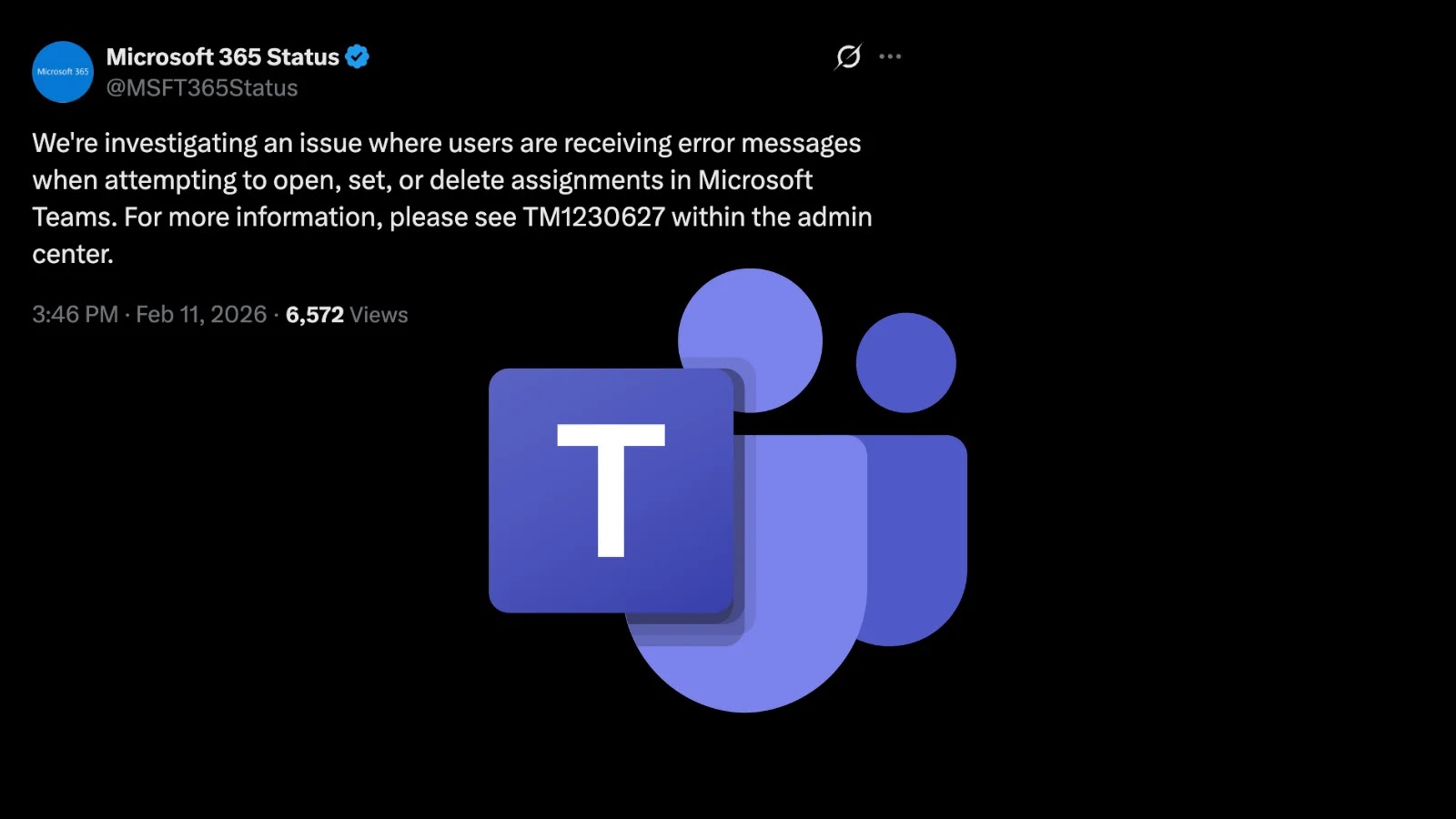
The digital classroom and collaborative workspace have become staples of modern productivity, with Microsoft Teams leading the charge. Yet, even the most robust platforms aren’t immune to technical hiccups. Recent reports indicate a significant disruption impacting Microsoft Teams users, specifically concerning assignment management. This isn’t just an inconvenience; for educators and project managers relying on Teams, it halts critical workflows. Microsoft has confirmed an ongoing investigation into widespread errors preventing users from accessing, creating, or deleting assignments, attributing the problem to a “failed service update.”
Understanding the Teams Assignment Disruption
Users across various educational and professional organizations have reported encountering persistent error messages when attempting fundamental operations within the Teams assignment module. These issues range from an inability to open existing assignments to difficulties in creating new ones or even deleting outdated tasks. The immediate impact is clear: disrupted educational operations, delayed project submissions, and a significant blow to productivity for Teams-dependent environments.
The Root Cause: A Failed Backend Change
Microsoft’s initial findings pinpoint the anomaly to a recent backend service update that did not complete successfully. Modern software ecosystems are complex, with frequent updates designed to enhance functionality, security, and performance. However, as this incident demonstrates, even a seemingly minor misstep during deployment can cascade into widespread service interruptions. The incomplete update has left the assignment management system in a state of disarray, leading to the reported errors.
Microsoft’s Response and Ongoing Investigation
Recognizing the severity of the situation, Microsoft has launched an urgent investigation. Their engineers are actively working to diagnose the precise nature of the failed deployment and to develop a recovery plan. Transparency in such situations is crucial, and Microsoft has directed administrators to the Microsoft 365 Admin Center for ongoing updates and status reports. This central communication channel is vital for IT professionals managing Teams deployments to stay informed about resolution timelines and potential workarounds.
Impact on Education and Business Continuity
For educational institutions, the assignment feature in Microsoft Teams is a cornerstone for distance learning and blended education models. Teachers assign homework, students submit papers, and grades are often tracked within this ecosystem. A malfunctioning assignment system directly impacts lesson plans, assessment cycles, and student progress. Similarly, businesses leveraging Teams for project management and task delegation face considerable challenges, potentially delaying critical project milestones and affecting team collaboration.
Remediation Actions and Best Practices for Admins
While Microsoft actively works on a fix, organizations relying heavily on Teams assignments should consider interim strategies:
- Monitor Microsoft 365 Admin Center: Regularly check the service health dashboard for the latest updates from Microsoft regarding this incident.
- Communicate with Users: Inform teachers, students, and employees about the disruption and any temporary alternative methods for assignment submission or task management.
- Alternative Assignment Mechanisms: For critical deadlines, consider temporary alternative methods such as email submissions, shared document repositories, or other learning management system (LMS) features if available.
- Document Errors: Encourage users to document specific error messages and symptoms to provide Microsoft with additional diagnostic data if requested.
The Importance of Robust Deployment Strategies
This incident underscores the critical importance of robust deployment and rollback strategies for cloud services. While updates are essential, mechanisms must be in place to ensure their successful integration and to quickly revert or mitigate issues if a deployment fails. For organizations consuming these services, it highlights the need for comprehensive contingency planning, especially for mission-critical functions tied to external platforms.
Conclusion
The ongoing disruption to Microsoft Teams assignment functionality, triggered by a failed service update, serves as a stark reminder of the complexities inherent in modern cloud infrastructure. While Microsoft’s team is actively working on a resolution, the incident highlights the ripple effect that even a single backend issue can have on millions of users. For IT professionals and administrators, staying informed, communicating effectively, and having contingency plans are paramount during such service interruptions. We anticipate a swift resolution from Microsoft and will continue to monitor the situation.