Microsoft Teams New Feature Let Users Report Messages Incorrectly Flagged as Security Threats
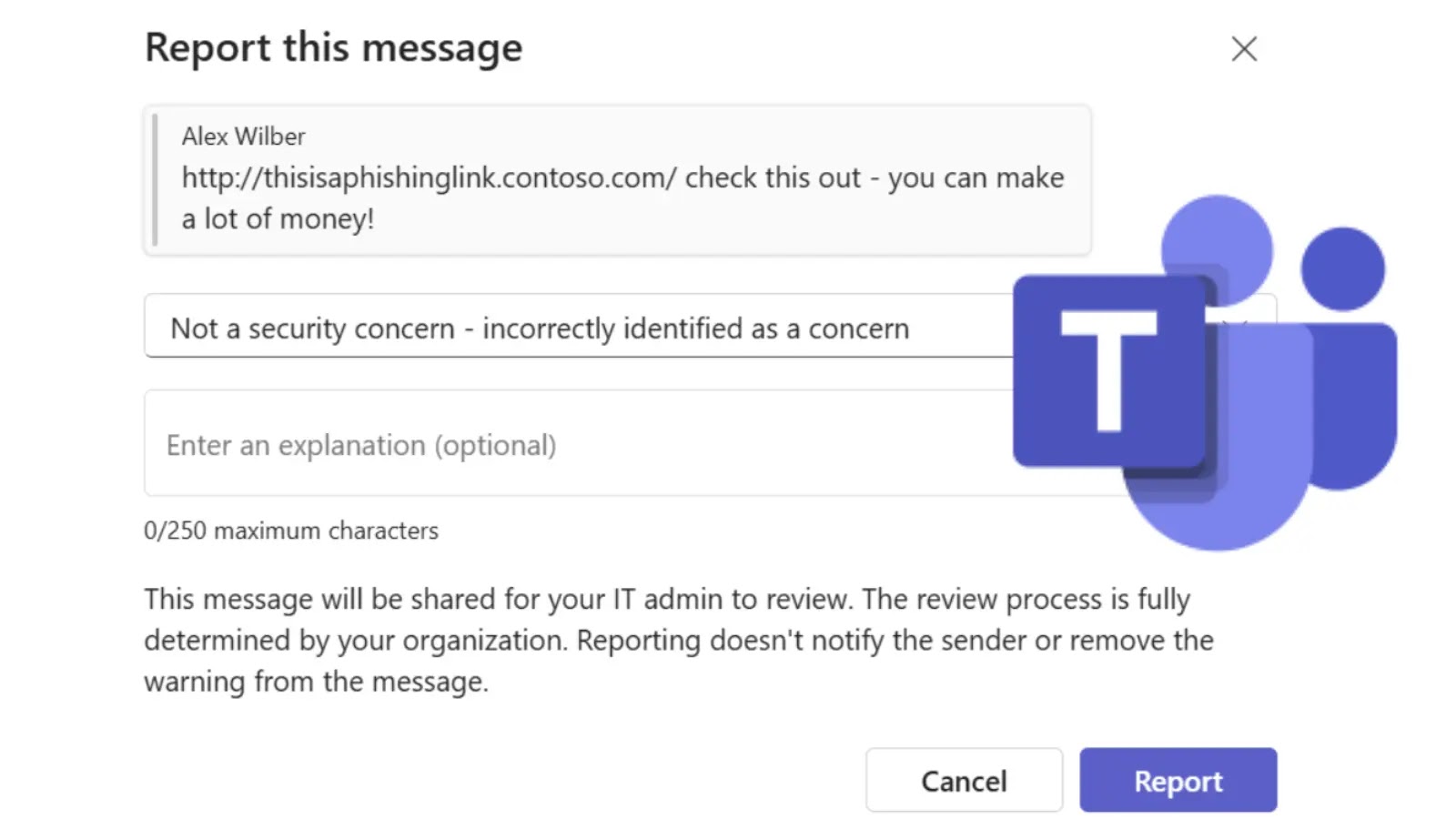
In the constant battle against sophisticated cyber threats, organizations rely heavily on robust security solutions to safeguard their digital communications. However, even the most advanced systems can sometimes err, flagging legitimate messages as malicious. This phenomenon, known as a false positive, can lead to unnecessary disruptions, wasted resources, and a diminished trust in security protocols. Recognizing this critical challenge, Microsoft is rolling out a significant enhancement to Teams, empowering users to directly report messages they believe have been incorrectly identified as security threats.
This new feature represents a pivotal step towards refining threat detection accuracy and streamlining incident response workflows. By leveraging the collective intelligence of its user base, Microsoft aims to create a more resilient and responsive communication environment. As reported by Cyber Security News, this capability is anticipated to be fully available by the end of November 2025, promising a substantial improvement in how organizations manage their internal security alerts.
Understanding the Impact of False Positives in Teams
False positives in security alerts are more than just an inconvenience; they carry tangible consequences for businesses. When a legitimate message is incorrectly flagged, it can trigger a cascade of actions:
- Disruption to Business Operations: Crucial communications can be blocked or delayed, hindering productivity and decision-making.
- Security Team Overload: Analysts spend valuable time investigating non-threats, diverting resources from genuine security incidents.
- User Frustration: Repeated false alarms can lead to user fatigue, causing them to disregard future security warnings, including actual threats.
- Reduced Trust in Security Systems: When security mechanisms frequently misidentify safe content, users may begin to distrust the system’s efficacy.
The ability for end-users to provide direct feedback on these misclassifications offers a proactive solution to these pervasive issues, fostering a more collaborative approach to cybersecurity within an organization.
The New Reporting Mechanism: A Deeper Dive
The upcoming Microsoft Teams feature introduces a direct channel for users to challenge security flags. While the exact user interface details are yet to be fully revealed, the core functionality will likely involve a simple, intuitive process:
- Direct User Action: Teams users will be able to select a message that has been flagged as a security threat and initiate a report indicating it was an error.
- Feedback Loop to Security Teams: This report will then be routed to an organization’s security and IT teams, providing them with critical context for review.
- Enhanced Detection Models: The collected data on false positives will be invaluable for Microsoft in fine-tuning its security algorithms, leading to more accurate threat identification over time.
This collaborative approach directly addresses the limitations of purely automated systems by incorporating human intelligence and situational awareness.
Benefits for Organizations and Security Professionals
The introduction of this reporting feature brings several significant advantages:
- Improved Accuracy of Threat Detection: Over time, the feedback loop will help reduce false positives, allowing security systems to focus on real threats.
- Reduced Operational Burden: Security teams will spend less time investigating benign alerts, freeing them to concentrate on high-priority incidents.
- Empowered End-Users: Employees become active participants in their organization’s security posture, fostering a culture of shared responsibility.
- Faster Remediation of Misclassifications: Direct reporting can lead to quicker reclassification of legitimate content, minimizing business disruption.
- Data-Driven Security Enhancements: The aggregate data from user reports will provide valuable insights to both Microsoft and individual organizations to continually refine their security policies and tools.
Preparing for the Feature Rollout
While the full availability is slated for late 2025, organizations can begin preparing now to maximize the benefits of this feature:
- Educate Users: Conduct awareness campaigns to inform employees about the new reporting capability and emphasize its importance in improving organizational security.
- Define Internal Workflows: Establish clear procedures for how security teams will review and act upon user-submitted false positive reports.
- Update Security Policies: Review and potentially revise existing security policies concerning message flagging and user feedback mechanisms.
- Monitor Microsoft Announcements: Stay informed of official Microsoft updates regarding the feature’s phased rollout and specific implementation details.
Conclusion
Microsoft’s upcoming feature allowing Teams users to report incorrectly flagged messages marks a strategic evolution in enterprise cybersecurity. By democratizing the feedback process, this initiative promises to significantly enhance the accuracy of threat detection, reduce the burden of false positives, and ultimately foster a more secure and efficient digital workspace. Security professionals and IT administrators should view this as an opportunity to empower their users and strengthen their overall security posture, leveraging collective intelligence to refine their defenses against the ever-present threat landscape.