MSHTML Framework 0-Day Exploited by APT28 Hackers Before Feb 2026’s Patch Tuesday Update
MSHTML Framework 0-Day Exploit: APT28 Targets Windows Users Before Patch Tuesday
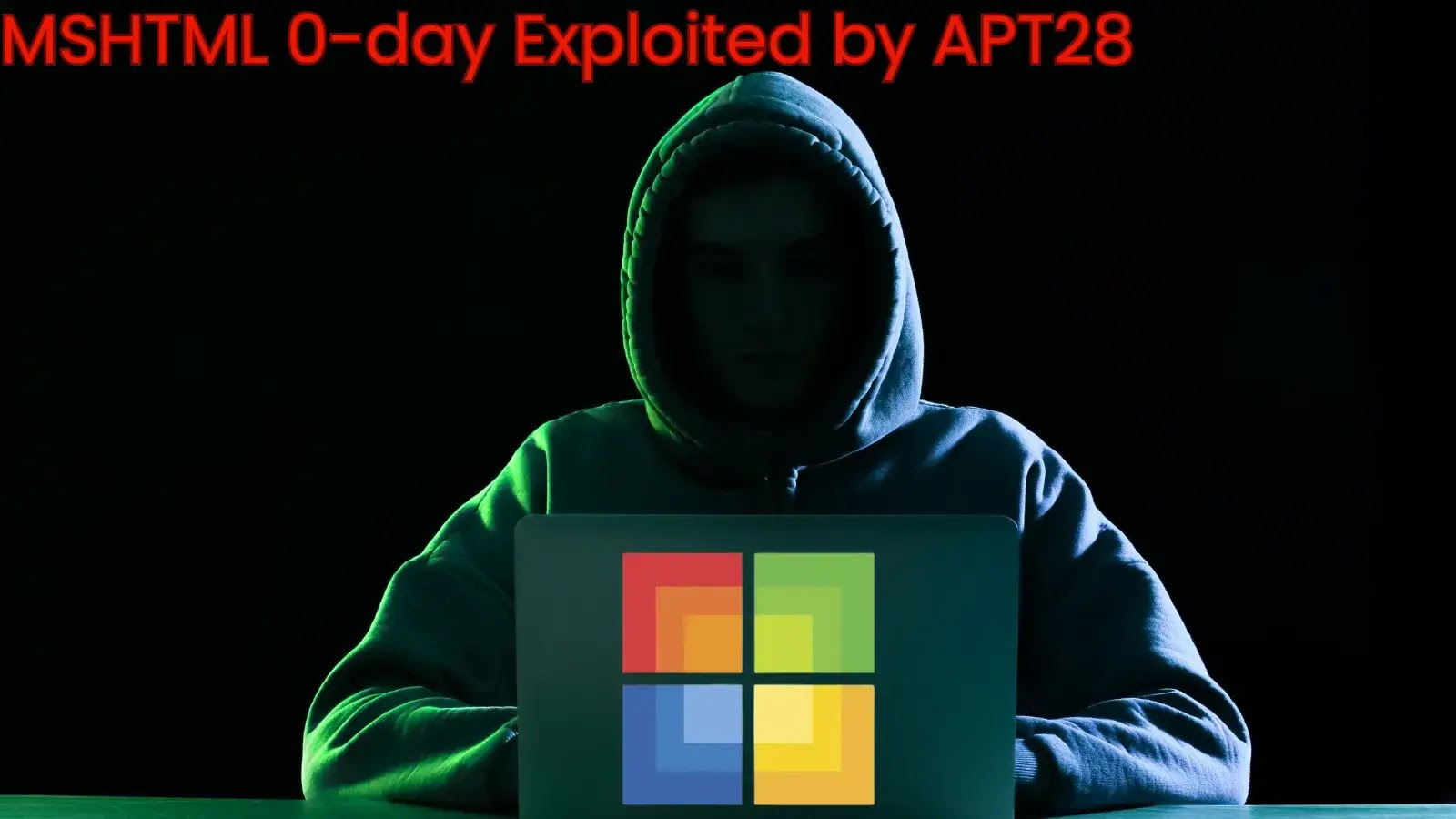
The cybersecurity landscape has once again been rattled by the active exploitation of a zero-day vulnerability, this time within Microsoft’s foundational HTML (MSHTML) framework. Disrupting business continuity and raising significant security concerns, the vulnerability, tracked as CVE-2026-21513, has been actively leveraged by the notorious Russian state-sponsored threat group, APT28. This critical exploit emerged into public knowledge even before Microsoft’s scheduled Patch Tuesday update in February 2026, posing an immediate and severe threat to all Windows versions globally.
Understanding the MSHTML Framework Vulnerability (CVE-2026-21513)
The Microsoft HTML (MSHTML) framework, also known as Trident, is the proprietary browser engine used in Internet Explorer and various other applications that render web content within the Windows ecosystem. A vulnerability within such a core component grants attackers extensive reach and potential for damage. Researchers at Akamai discovered that CVE-2026-21513 enables attackers to bypass existing security features and execute arbitrary files on affected systems. This bypass capability is particularly concerning as it circumvents established defenses designed to prevent unauthorized code execution.
With a CVSS score of 8.8 (High), this vulnerability signifies a significant risk. Its broad impact across all Windows versions makes it a universal concern for IT departments and security professionals. The ability to execute arbitrary files can lead to a cascade of malicious activities, including data exfiltration, ransomware deployment, or the establishment of persistent backdoors.
APT28’s Strategic Exploitation: A Pre-Patch Tuesday Attack
The involvement of APT28 (also known as Fancy Bear or Strontium) elevates the severity of this zero-day. This state-sponsored threat actor is renowned for its sophisticated techniques and strategic targeting, often aligning with nation-state objectives. Their exploitation of CVE-2026-21513 before a patch was available demonstrates their proactive and aggressive stance in identifying and weaponizing vulnerabilities. This pre-Patch Tuesday exploitation window is particularly dangerous, as organizations have no official remedy from Microsoft and must rely on temporary mitigations or robust detection capabilities.
APT28’s typical modus operandi involves spear-phishing campaigns, leveraging seemingly innocuous documents or links to initiate infection chains. It is highly probable that the MSHTML zero-day was delivered through similar vectors, tricking users into opening specially crafted files or visiting malicious web pages that trigger the vulnerability. The goal of such attacks often ranges from espionage and intelligence gathering to disruption of critical infrastructure.
Remediation Actions and Immediate Mitigation Strategies
Given the active exploitation and the critical nature of this vulnerability, immediate action is paramount. While waiting for an official patch from Microsoft in February 2026, organizations must implement proactive remediation and mitigation strategies.
- Implement Application Control: Utilize Microsoft AppLocker or Windows Defender Application Control (WDAC) to restrict the execution of unauthorized executables and scripts. This can help prevent the arbitrary file execution facilitated by CVE-2026-21513.
- Isolate Internet Explorer: If still in use, consider isolating Internet Explorer in a virtualized environment or restricting its use to only trusted sites. Many applications that rely on MSHTML can also revert to other rendering engines or be sandboxed.
- Enhanced Email and Web Filtering: Strengthen email security gateways to detect and block suspicious attachments or links that could serve as initial infection vectors. Implement advanced web filtering to prevent access to known malicious sites.
- Endpoint Detection and Response (EDR): Ensure EDR solutions are actively monitoring for suspicious process creation, file modifications, and network connections that might indicate exploitation attempts. Configure EDR alerts for unusual behaviors related to MSHTML processes or scripting engines.
- User Awareness Training: Educate employees about the risks of opening unsolicited attachments or clicking on suspicious links, especially those impersonating trusted sources. Reinforce the importance of reporting anything out of the ordinary.
- Principle of Least Privilege: Enforce the principle of least privilege across all user accounts to minimize the potential impact if a system is compromised.
Tools for Detection and Mitigation
Leveraging appropriate cybersecurity tools can significantly enhance an organization’s ability to detect and mitigate threats posed by vulnerabilities like CVE-2026-21513.
| Tool Name | Purpose | Link |
|---|---|---|
| Microsoft Defender for Endpoint | EDR for anomaly detection, behavioral analysis, and threat hunting. | Microsoft Defender for Endpoint |
| AppLocker/WDAC | Application whitelisting and code integrity enforcement. | WDAC Design Guide |
| Network Intrusion Detection Systems (NIDS) | Detects malicious traffic patterns or C2 communications post-exploitation. | (Varies by vendor, e.g., Snort, Suricata) |
| Email Security Gateways | Blocks malicious emails, phishing attempts, and weaponized attachments. | (Varies by vendor, e.g., Proofpoint, Mimecast) |
Conclusion
The active exploitation of the MSHTML framework 0-day (CVE-2026-21513) by APT28 underscores the persistent and evolving threat landscape. The inherent dangers of a zero-day vulnerability, amplified by the involvement of a sophisticated state-sponsored actor and its broad impact across all Windows versions, demand immediate and decisive action. Organizations must prioritize robust application control, stringent email and web security, and advanced endpoint monitoring to protect their systems before Microsoft’s official patch release in February 2026.