New AiTM Attack Campaign That Bypasses MFA Targeting Microsoft 365 and Okta Users
The Alarming Rise of AiTM: A New MFA Bypass Threat to Microsoft 365 and Okta Users
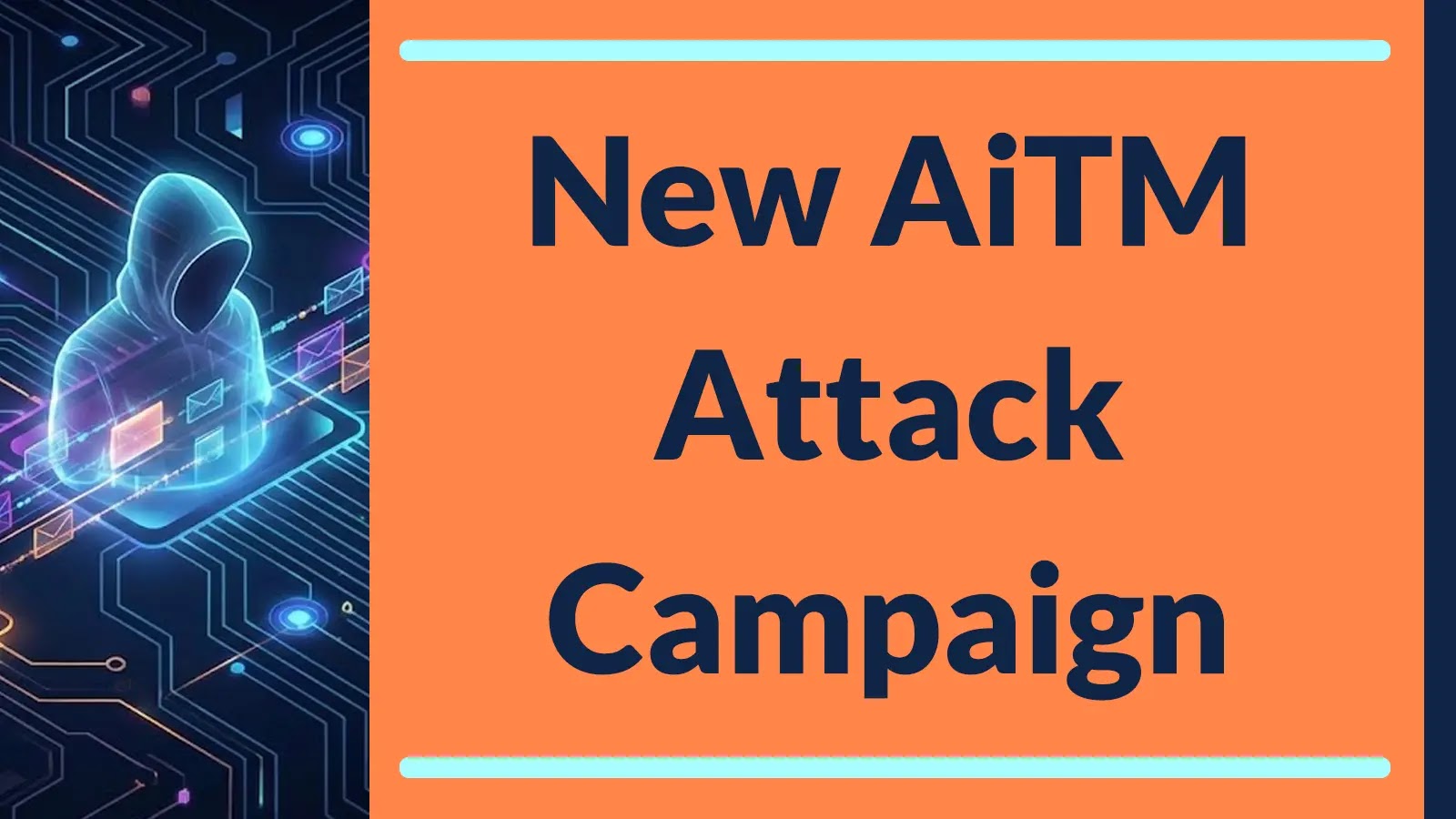
Organizations worldwide face an escalated threat from a sophisticated new phishing campaign. Discovered in early December 2025, this campaign leverages an advanced Adversary-in-the-Middle (AiTM) technique to bypass multi-factor authentication (MFA), directly targeting users of Microsoft 365 and Okta. This represents a critical challenge for businesses relying on these platforms for identity and access management, as demonstrated by the detailed analysis available on CybersecurityNews.com.
The campaign’s success hinges on an in-depth understanding of modern authentication flows, allowing attackers to intercept credentials and session cookies in real-time. This isn’t a simple credential stuffing attack; it’s a meticulously engineered operation designed to circumvent the very security measures put in place to prevent unauthorized access.
Understanding the AiTM Attack Vector
An AiTM attack places the adversary between the user and the legitimate service. In the context of this campaign, when a user clicks on a malicious link within a phishing email, they are redirected to an attacker-controlled proxy server. This server then relays the communication between the user and the legitimate Microsoft 365 or Okta login page.
- The user attempts to log in as usual, unknowingly submitting their credentials and any subsequent MFA tokens to the attacker’s proxy.
- The proxy forwards these credentials and MFA responses to the legitimate service.
- Upon successful authentication, the legitimate service issues session cookies to the user.
- Crucially, the attacker’s proxy intercepts these session cookies before they reach the user.
With these stolen session cookies, attackers can then bypass future MFA prompts and gain persistent access to the compromised account, often without the user’s immediate knowledge. The stealth and effectiveness of this technique make it particularly dangerous.
Targeted Platforms: Microsoft 365 and Okta
The choice of Microsoft 365 and Okta as primary targets is not coincidental. These platforms are foundational to identity management for countless organizations across various industries. Microsoft 365 provides core productivity tools and cloud services, while Okta is a widely adopted identity provider for single sign-on (SSO) and robust authentication. Compromising accounts on these platforms grants attackers keys to a vast digital kingdom, including:
- Access to sensitive emails and documents.
- Ability to manipulate cloud resources.
- Lateral movement within the corporate network.
- Privilege escalation opportunities.
The campaign’s ability to bypass MFA on both platforms underscores the urgent need for enhanced detection and prevention mechanisms beyond traditional security layers.
Key Characteristics of the Phishing Campaign
This sophisticated campaign distinguishes itself through several advanced characteristics:
- Carefully Crafted Phishing Emails: Attackers employ highly convincing lures, often impersonating trusted entities or internal communications, to maximize click-through rates.
- Advanced Proxy Infrastructure: The use of robust and transient proxy servers makes attribution and takedown efforts more challenging.
- Real-Time Credential and Session Cookie Interception: The core of the AiTM technique, enabling the bypass of even strong MFA implementations.
- Broad Industry Targeting: The campaign does not appear to be sector-specific, indicating a wide net cast across multiple industries to maximize potential gains.
While specific CVEs for this particular campaign are not yet publicly designated, the underlying vulnerabilities exploited are often related to the trust placed in endpoint security and user vigilance. Organizations should remain alert for suspicious activity that may indicate compromise.
Remediation Actions and Mitigations
Organizations using Microsoft 365 and Okta must implement layered security defenses to counter this AiTM threat. Relying solely on MFA is no longer sufficient; a proactive and adaptive security posture is paramount.
- Enhanced Email Security: Deploy advanced email gateway solutions with URL rewriting, sender authentication (DMARC, DKIM, SPF), and AI-driven threat intelligence to detect and block sophisticated phishing attempts.
- Conditional Access Policies: Implement stringent conditional access policies in Microsoft Entra ID (formerly Azure AD) and Okta. Restrict access based on device compliance, location, IP address, and managed device status. For instance, block access from unfamiliar geographic regions or non-corporate devices when MFA is not satisfied by a token bound to the device.
- Phishing-Resistant MFA: Prioritize FIDO2 hardware tokens (e.g., YubiKey) or certificate-based authentication. These methods are inherently resistant to AiTM attacks because the cryptographic handshake binds the authentication to the legitimate server, preventing an attacker’s proxy from intercepting the session.
- Session Cookie Expiration and Revocation: Configure shorter session lifetimes for sensitive applications in Microsoft 365 and Okta. Implement mechanisms to detect anomalous session activity and promptly revoke suspicious sessions.
- Endpoint Detection and Response (EDR): Ensure robust EDR solutions are deployed across all endpoints to detect and respond to post-compromise activities quickly.
- User Education and Awareness: Conduct regular, realistic phishing simulations and comprehensive training on identifying sophisticated phishing lures, even those that appear legitimate. Emphasize reporting suspicious emails.
- Continuous Monitoring: Monitor authentication logs, impossible travel alerts, and unusual access patterns in both Microsoft 365 and Okta. Utilize SIEM/SOAR platforms to correlate security events and automate responses.
- Browser Security: Advise users to keep their browsers updated and to be wary of browser extensions that could be compromised. Consider using Enterprise Browser solutions that offer enhanced security controls.
Relevant Tools for Detection and Mitigation
| Tool Name | Purpose | Link |
|---|---|---|
| Microsoft Defender for Office 365 | Advanced threat protection for email, includes anti-phishing, anti-malware, and safe links/attachments. | https://learn.microsoft.com/en-us/microsoft-365/security/office-365-security/defender-for-office-365?view=o365-worldwide |
| Okta Adaptive MFA | Analyzes context like location, device, and network to require additional authentication steps. | https://www.okta.com/products/adaptive-multi-factor-authentication/ |
| FIDO2 Security Keys | Hardware-based, phishing-resistant MFA. | https://fidoalliance.org/fido2/ |
| Microsoft Entra Conditional Access | Enforces policies based on conditions to grant or block access. | https://learn.microsoft.com/en-us/entra/identity/conditional-access/overview |
| Proofpoint / Mimecast | Third-party email security gateways for advanced threat protection and phishing detection. | https://www.proofpoint.com/
https://www.mimecast.com/ |
Conclusion: Adapting to the Evolving Threat Landscape
The emergence of this AiTM campaign targeting Microsoft 365 and Okta users serves as a stark reminder that cyber threats are continually evolving. Attackers are increasingly sophisticated, devising methods that bypass established security controls like traditional MFA. Organizations must transition from a reactive stance to a proactive and adaptive security strategy.
Protecting access to critical systems requires a multi-layered approach: strong email security, robust conditional access policies, phishing-resistant authentication methods, vigilant monitoring, and continuous user education. By embracing these measures, businesses can significantly enhance their resilience against these advanced identity-based attacks and safeguard their digital assets.