New Research Exposes Critical Gap: 64% of Third-Party Applications Access Sensitive Data Without Authorization
A disturbing trend is emerging from the complex landscape of web applications: a significant number of third-party tools are accessing sensitive user data without proper authorization. New research paints a stark picture, revealing that nearly two-thirds of these external integrations are operating with alarming levels of privilege, posing substantial client-side risks. This isn’t just about website performance; it’s about the security and privacy of every user engaging with your digital presence.
The Escalating Threat of Client-Side Risk
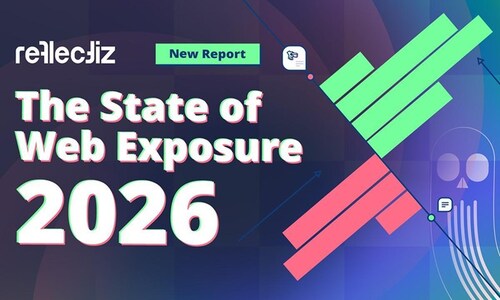
The digital ecosystem is increasingly reliant on third-party integrations – from marketing analytics and customer support widgets to payment gateways and content delivery networks. While these tools offer undeniable benefits, they introduce a critical attack surface often overlooked by traditional perimeter defenses. The 2026 State of Web Exposure Research by Reflectiz, as highlighted by CyberNewsWire, exposes a dramatic escalation in this client-side risk. Analyzing 4,700 leading websites, the study found a widespread problem: an overwhelming 64% of third-party applications are accessing sensitive data without explicit authorization.
This unauthorized access isn’t merely theoretical; it opens the door to data breaches, session hijacking, and the injection of malicious code. Organizations that assume their “secure” backend infrastructure protects them entirely are missing a fundamental weak point in their cybersecurity posture.
Understanding Unauthorized Data Access by Third Parties
The concept of “unauthorized access” here refers to third-party scripts or applications collecting, reading, or transmitting data beyond what is strictly necessary for their intended function, or without explicit user consent and proper security measures. This can include a wide range of sensitive information:
- Personally Identifiable Information (PII): Names, email addresses, phone numbers, physical addresses.
- Financial Data: Credit card numbers (even if tokenized, metadata can be captured), bank account details.
- Authentication Credentials: Session tokens, cookies, sometimes even raw login details if poorly secured.
- Behavioral Data: Browsing history, mouse movements, form input before submission.
The problem is magnified by the intricate dependencies created by these integrations. A vulnerability in one seemingly innocuous third-party script can compromise an entire website, regardless of the website owner’s own security measures. This creates a supply chain risk directly affecting the client-side experience.
Marketing Tools and Unmanaged Digital Integrations: Key Culprits
The research points to marketing tools and other unmanaged digital integrations as primary drivers of this client-side exposure. Marketing analytics platforms, A/B testing tools, social media widgets, and various other trackers often require extensive access to user behavior and data to function effectively. However, without strict oversight and sandboxing, these tools can become conduits for data exfiltration or malicious activity. The sheer volume and dynamic nature of these integrations make continuous monitoring and governance a profound challenge for many organizations.
The lack of a comprehensive inventory and oversight for these external scripts leads directly to “shadow IT” on the client side, where applications are deployed without the knowledge or approval of security teams, creating invisible vulnerabilities.
Remediation Actions: Securing Your Digital Frontier
Addressing this critical gap requires a proactive and multi-faceted approach. Organizations must shift their focus to incorporate client-side security as a fundamental component of their overall cybersecurity strategy.
- Comprehensive Inventory and Assessment: Identify every third-party script and resource loaded on your website. Understand their purpose, the data they access, and their potential risks. Tools for Web Content Security Policy (CSP) generation and client-side monitoring can assist here.
- Strict Content Security Policies (CSPs): Implement robust CSPs to restrict which resources browsers are allowed to load and from where. This acts as a powerful defense against cross-site scripting (XSS) and unauthorized data exfiltration.
- Subresource Integrity (SRI): Use SRI for all externally loaded scripts and stylesheets. This ensures that the files loaded by the user’s browser haven’t been tampered with.
- Client-Side Security Solutions: Employ dedicated client-side security platforms (e.g., solutions offered by Reflectiz, PerimeterX, SourceDefense) that continuously monitor, detect, and mitigate threats originating from third-party scripts. These tools can identify suspicious behavior, enforce policies, and prevent data leakage in real-time.
- Regular Audits and Vendor Due Diligence: Periodically audit all third-party vendors for their security practices. Vet new vendors thoroughly, ensuring they adhere to stringent data privacy and security standards.
- Least Privilege Principle: Ensure that third-party applications only have access to the data and functionalities strictly necessary for their operation.
- Dynamic Data Masking/Tokenization: Where possible, mask or tokenize sensitive data client-side before it’s processed by third-party scripts that don’t absolutely require the raw information.
Tools for Client-Side Security and Monitoring
| Tool Name | Purpose | Link |
|---|---|---|
| Content Security Policy (CSP) | Mitigates XSS and data injection by declaring approved content sources. | MDN Web Docs |
| Subresource Integrity (SRI) | Ensures externally fetched resources haven’t been tampered with. | MDN Web Docs |
| Reflectiz | Client-side security platform for discovery, visibility, and control over third-party applications. | Reflectiz Official Site |
| PerimeterX Page Defender | Protects against client-side attacks, including data skimming and Magecart. | PerimeterX Official Site |
| SourceDefense | Client-side security platform for controlling and isolating third-party scripts. | SourceDefense Official Site |
The Future of Web Security: From Perimeter to Client-Side
The findings from Reflectiz underscore a critical evolution in the threat landscape. Organizations can no longer solely rely on traditional network and server-side security measures. The front end, where users directly interact with applications, has become a prime target. As businesses increasingly adopt SaaS solutions and rely on a vast ecosystem of third-party tools, securing the client side is paramount. Businesses must internalize that every external script integrated into their digital properties represents a potential security vulnerability. Proactive monitoring, stringent policies, and dedicated client-side security solutions are no longer optional; they are essential for protecting sensitive data and maintaining user trust in an interconnected digital world.