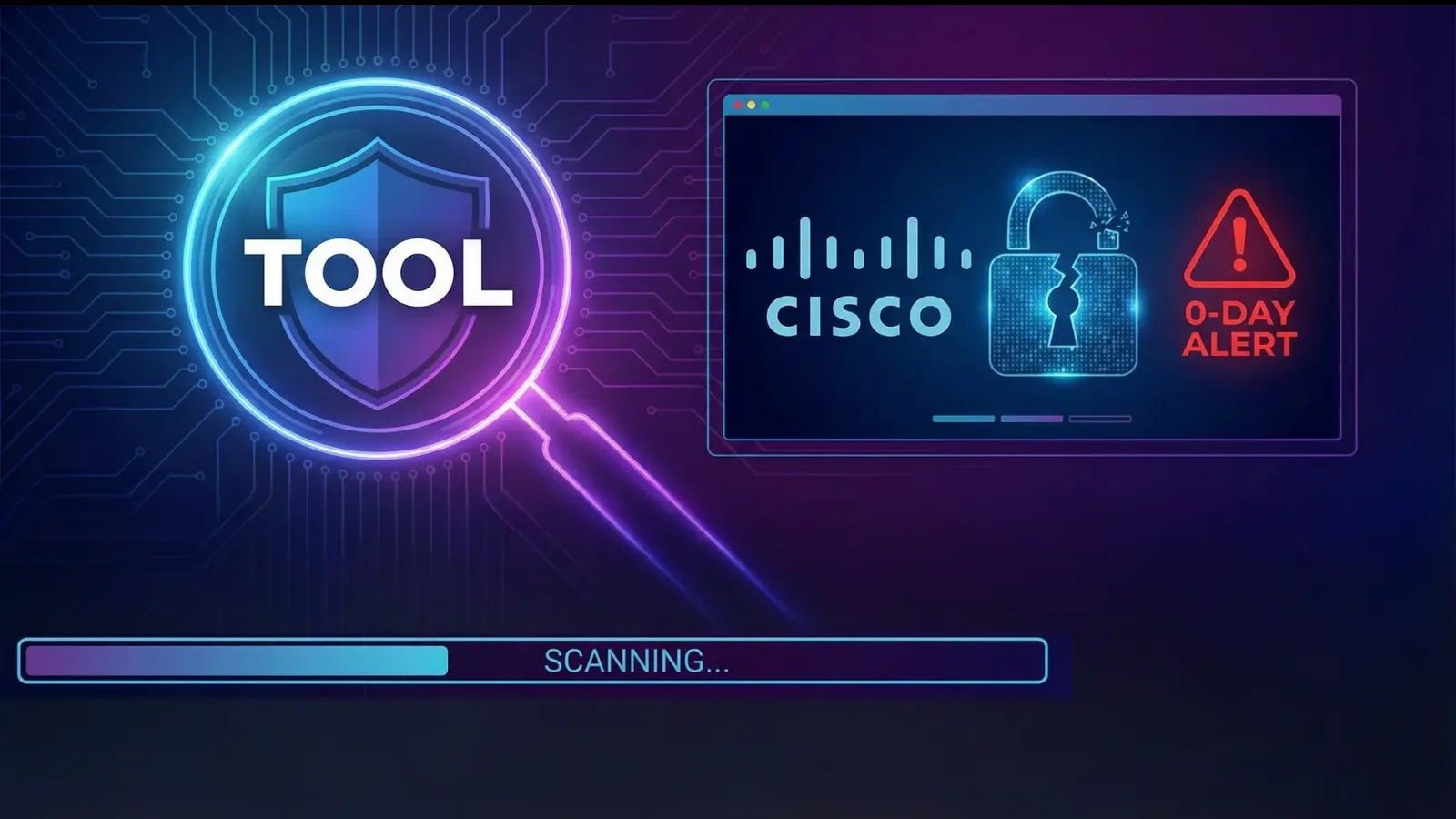
New Tool Released to Detect Cisco Secure Email Gateway 0-Day Vulnerability Exploited in the Wild
Urgent: New Tool Detects Critical Cisco SEG Zero-Day Exploitation
The cybersecurity landscape just became more perilous for organizations relying on Cisco Secure Email Gateway (SEG) and Secure Malware Analytics (SMA) products. A critical zero-day vulnerability, tracked as CVE-2025-20393, is actively being exploited in the wild, posing an immediate threat to email security and network integrity. Fortunately, a new, lightweight Python script has been released to help organizations swiftly identify their exposure to this significant risk.
This post delves into the specifics of this vulnerability, the impact of its exploitation, and introduces the vital “Cisco SMA Exposure Check” tool. Understanding your exposure is the first step toward effective mitigation.
Cisco SEG Zero-Day Vulnerability: CVE-2025-20393 Explained
The vulnerability, identified as CVE-2025-20393, affects Cisco Secure Email Gateway (formerly AsyncOS for Email) and Secure Malware Analytics (formerly Cisco Email and Web Manager). While full details of the exploit chain remain under wraps due to its active exploitation, reports indicate it allows attackers to bypass security controls and potentially gain unauthorized access or execute arbitrary code.
The implications of such a compromise are severe. An attacker exploiting this vulnerability could:
- Intercept or manipulate email communications.
- Launch further attacks within the network.
- Exfiltrate sensitive data.
- Disrupt critical email services.
Given the central role of email in business operations, a compromise here can have cascading effects across an entire organization.
Introducing the “Cisco SMA Exposure Check” Tool
In response to the active exploitation of CVE-2025-20393, a new, accessible tool named “Cisco SMA Exposure Check” has been developed. This lightweight Python script is designed for rapid deployment and execution, making it an invaluable asset for security teams facing this urgent threat.
The tool’s primary function is to:
- Quickly Identify Exposure: It probes targeted Cisco SEG and SMA instances for telltale open ports and services that are known to be part of the exploitation pathway for CVE-2025-20393.
- Provide Immediate Assessment: By checking for these indicators, organizations can quickly determine if their systems exhibit the characteristics that make them vulnerable or indicate potential compromise.
- Simplify Detection: Its single-file Python script format ensures ease of use and minimal overhead for deployment.
This proactive detection capability is crucial for reducing an organization’s attack surface and responding effectively to a zero-day threat.
Remediation Actions for Cisco SEG and SMA
Detecting exposure is just the first step. Immediate and decisive action is paramount to protect your organization from CVE-2025-20393. While a patch from Cisco is undoubtedly forthcoming, organizations must implement interim mitigation strategies:
- Utilize the Detection Tool: Run the “Cisco SMA Exposure Check” script against all your Cisco Secure Email Gateway and Secure Malware Analytics instances as a primary step to identify if your systems are exhibiting signs of vulnerability or compromise.
- Isolate and Monitor: If exposure is detected, immediately isolate affected systems. Increase monitoring on these devices and surrounding networks for any anomalous activity. Implement strict egress filtering on network devices connected to these appliances.
- Review Access Controls: Ensure that only authorized personnel and necessary systems have network access to your Cisco SEG/SMA appliances. Restrict administrative interfaces to trusted networks only.
- Implement Network Segmentation: Strengthen network segmentation to limit the lateral movement an attacker could achieve if a segment of your network is compromised.
- Prepare for Patching: Stay vigilant for official security advisories and patches from Cisco. Develop a rapid deployment plan for when the official fix becomes available.
- Backup Configurations: Ensure you have recent and valid backups of your SEG and SMA configurations.
- Incident Response Plan: Review and rehearse your incident response procedures, especially those related to zero-day exploitation and critical infrastructure compromise.
Proactive engagement with these steps can significantly reduce the potential impact of CVE-2025-20393.
Essential Tools for Vulnerability Detection
To aid in detecting and addressing vulnerabilities like CVE-2025-20393, several tools are invaluable. Here’s a quick reference:
| Tool Name | Purpose | Link |
|---|---|---|
| Cisco SMA Exposure Check | Specific detection for CVE-2025-20393 in Cisco SEG/SMA. | Cybersecurity News Article Link (for access to tool details/download) |
| Nmap | Network scanning for open ports and services. | https://nmap.org/ |
| Wireshark | Network protocol analyzer for traffic inspection. | https://www.wireshark.org/ |
| Cisco Product Security Advisories | Official source for Cisco vulnerability and patch information. | https://sec.cloudapps.cisco.com/security/center/publicationListing.x |
Staying Ahead of Zero-Day Threats
The emergence of CVE-2025-20393 underscores the persistent challenge of zero-day vulnerabilities. Rapid detection and proactive mitigation are not just best practices; they are essential for survival. The “Cisco SMA Exposure Check” tool offers a timely and practical defense for organizations utilizing Cisco Secure Email Gateway and Secure Malware Analytics products. Security teams must integrate such detection tools into their routine vulnerability management processes and maintain continuous vigilance on critical internet-facing assets. Your organization’s security posture depends on swift action and informed decisions.