OpenAI Codex CLI Command Injection Vulnerability Let Attackers Execute Arbitrary Commands
A silent threat lurked within the development workflows of many, a vulnerability in OpenAI’s Codex CLI that could have turned routine tasks into an attacker’s playground. Cybersecurity News recently reported on a critical command injection flaw, now patched, that allowed malicious actors to execute arbitrary commands on developers’ machines through a seemingly innocuous configuration file. This incident serves as a stark reminder of the persistent and often subtle risks inherent in modern development tooling.
The OpenAI Codex CLI Vulnerability: A Deep Dive
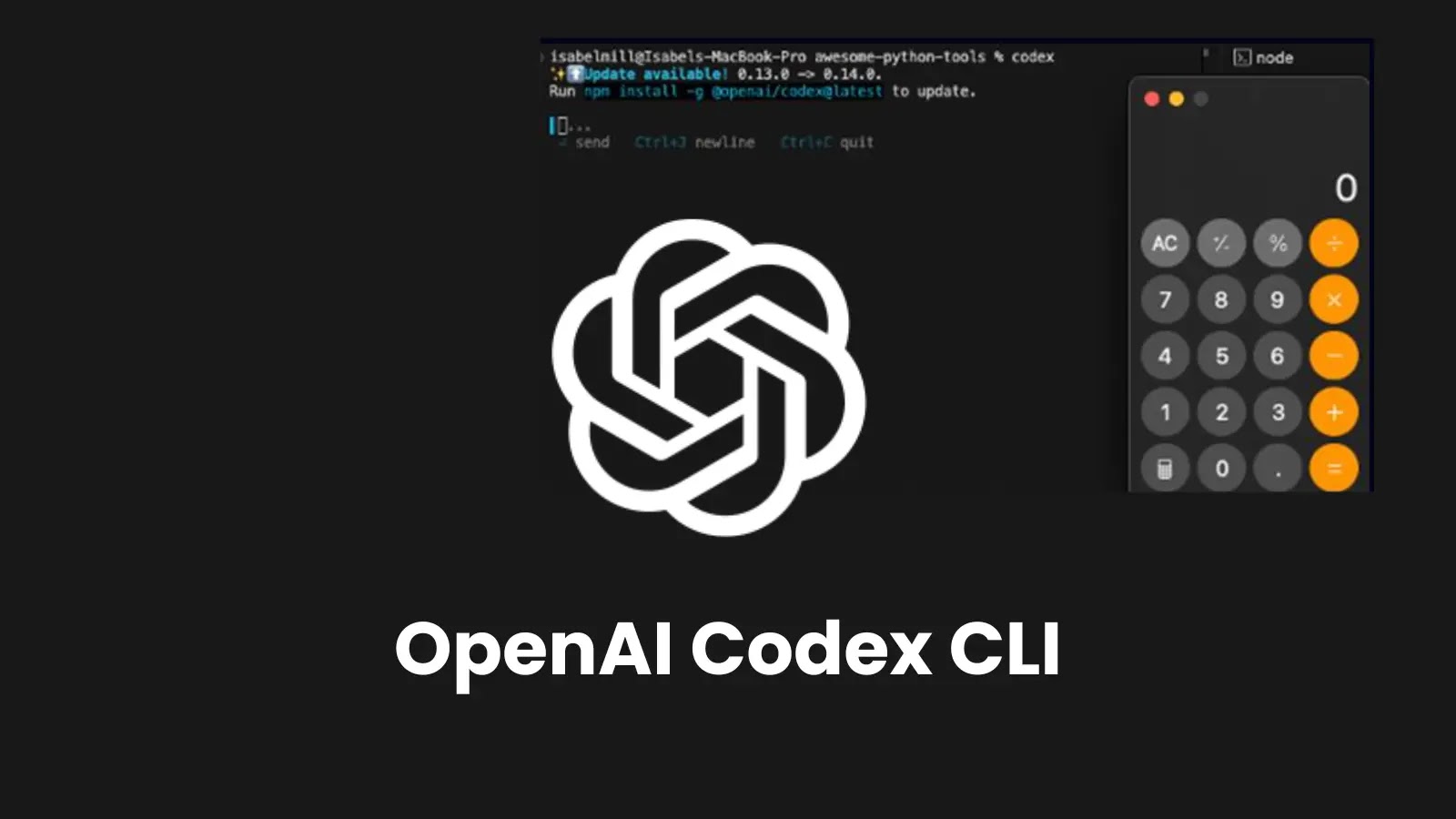
The core of this significant security bypass resided in how the OpenAI Codex Command Line Interface (CLI) processed configuration files. Specifically, version 0.23.0 and earlier were susceptible to a command injection vulnerability. This flaw empowered an attacker to gain remote code execution (RCE) simply by introducing a specially crafted, malicious configuration file into a project repository. When a developer subsequently used the codex command within that repository, the malicious code embedded in the configuration file would execute without their explicit knowledge or consent.
The severity of this type of vulnerability cannot be overstated. In many development environments, repository access is a common vector for collaboration. An attacker could, for instance, contribute a seemingly harmless file to a popular open-source project or compromise an internal repository to inject such a configuration. Once present, any developer pulling the updated repository and using the codex command would inadvertently trigger the RCE payload. This makes the flaw a potent tool for supply chain attacks, granting attackers a foothold within developer machines and, by extension, potentially access to sensitive codebases, credentials, or development infrastructure.
Understanding Command Injection Vulnerabilities
Command injection is a type of vulnerability that allows an attacker to execute arbitrary commands on the host operating system. It occurs when an application passes unsanitized user-supplied input (or in this case, maliciously crafted configuration file content) to a system shell. Instead of treating the input as data, the system interprets it as a command to be executed. For instance, if an application constructs a command string by concatenating user input without proper escaping, an attacker can inject shell metacharacters (like `&&`, `|`, `;`) to append their own commands.
In the context of the Codex CLI, the tool’s parser likely failed to adequately sanitanize or validate certain parameters or values sourced from its configuration files before passing them to an underlying system call. This oversight created a direct conduit for an attacker to manipulate the execution flow of the CLI and, consequently, the underlying operating system.
Remediation Actions and Best Practices
The good news is that OpenAI has promptly addressed this issue. The vulnerability is fixed in Codex CLI version 0.23.0 and later. Developers and organizations using the OpenAI Codex CLI must take immediate action:
- Update Immediately: Ensure all installations of the OpenAI Codex CLI are updated to version 0.23.0 or higher. This is the most critical step to mitigate the risk.
- Review Repositories: Conduct an audit of project repositories for any unfamiliar or suspicious configuration files prior to pulling or cloning. Be particularly vigilant about files that might be interpreted by CLI tools.
- Principle of Least Privilege: Always run development tools and applications with the minimum necessary privileges. This limits the potential damage if a command injection vulnerability were to be exploited.
- Input Validation: For developers building tools that process external configurations or user input, rigorous input validation and sanitization are paramount. Treat all external input as untrusted.
- Secure Development Lifecycle (SDL): Integrate security checks throughout the development process, including code reviews and static/dynamic application security testing (SAST/DAST), to catch such vulnerabilities proactively.
While the specific Common Vulnerabilities and Exposures (CVE) identifier for this flaw was not publicly disclosed in the reporting, the timely patch by OpenAI underscores the importance of staying current with software updates. Organizations should prioritize a robust patching strategy as a fundamental cybersecurity hygiene practice.
Detection and Mitigation Tools
Implementing a layered security approach is crucial. Here are some tools that can assist in detecting similar vulnerabilities or bolstering your development environment’s security posture:
| Tool Name | Purpose | Link |
|---|---|---|
| GitGuardian | Detects secrets and sensitive data in code, including malicious patterns in configuration files. | https://www.gitguardian.com/ |
| Semgrep | Fast, open-source static analysis engine for finding bugs, enforcing code standards, and conducting security audits. | https://semgrep.dev/ |
| Snyk Code | Static Application Security Testing (SAST) tool integrated into developer workflows to find vulnerabilities in code. | https://snyk.io/product/snyk-code/ |
| LGTM (CodeQL) | Code analysis platform for finding vulnerabilities and variants in source code. | https://security.github.com/products/codeql/ |
Conclusion
The patched command injection vulnerability in the OpenAI Codex CLI serves as a potent illustration of how subtle flaws in development tools can expose an entire workflow to significant risks. This incident highlights the continuous need for developers and organizations to practice stringent security hygiene, including prompt software updates, vigilant code reviews, and the adoption of secure development practices. Prioritizing these measures is essential to safeguard against sophisticated attack vectors and maintain the integrity of our digital infrastructure.