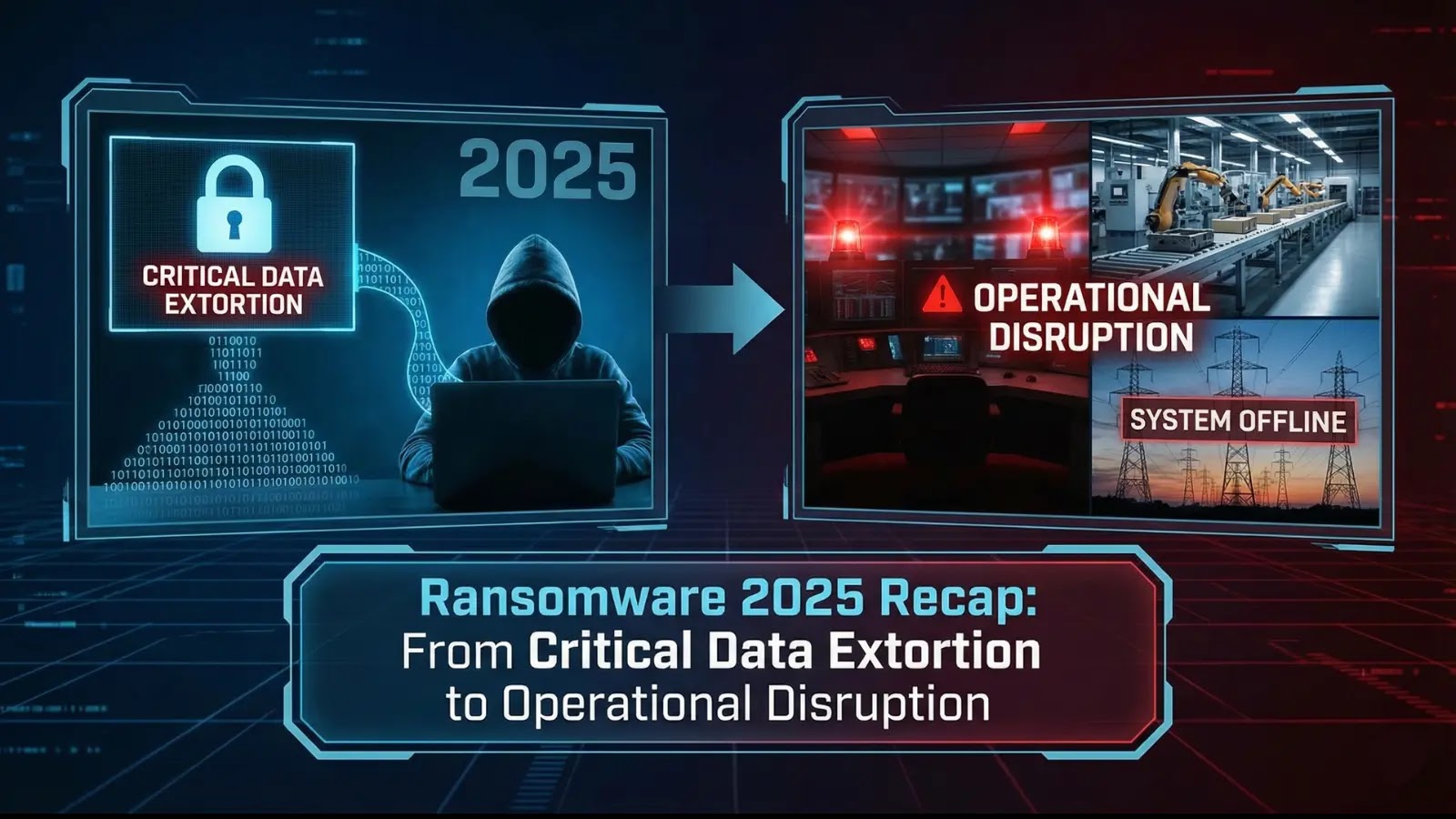
Ransomware Attack 2025 Recap – From Critical Data Extortion to Operational Disruption
The digital battlefield of 2025 painted a stark picture of escalating cyber threats, particularly in the realm of ransomware attacks. What was once predominantly a disruptive cybersecurity nuisance has metastasized into a formidable strategic challenge, directly impacting national security and destabilizing global economic infrastructures. This year alone showcased an alarming 34%-50% surge in ransomware incidents compared to 2024, with a staggering 4,701 confirmed attacks recorded globally between January and September. This significant escalation firmly establishes ransomware as one of the most persistent and dangerous threats facing organizations worldwide.
The Evolving Threat Landscape of 2025
The 2025 ransomware landscape was characterized by a profound shift beyond mere data encryption. Threat actors demonstrated advanced techniques aimed not only at critical data extortion but also at achieving widespread operational disruption. This evolution highlights a more sophisticated understanding of organizational vulnerabilities and a calculated effort to maximize impact and extort higher ransoms. The targets were diverse, ranging from critical infrastructure and governmental bodies to healthcare facilities and financial institutions, underscoring the indiscriminate nature of these campaigns.
Key Trends Driving Ransomware Proliferation
- Increased Sophistication of Attack Vectors: Ransomware groups leveraged increasingly complex initial access brokers and exploit kits. Phishing remains a primary vector, but breaches often originated from compromised supply chains and unpatched software vulnerabilities, turning trusted connections into conduits for attack.
- Double and Triple Extortion Tactics: Beyond encrypting data, attackers routinely exfiltrated sensitive information, threatening to publish it if demands weren’t met (double extortion). Some groups even contacted customers or business partners of the victim, pressuring them to facilitate payment (triple extortion), significantly amplifying the reputational and financial damage.
- Ransomware-as-a-Service (RaaS) Maturity: The RaaS model continued its rampant growth, lowering the barrier to entry for less technically proficient threat actors. This commodification of ransomware tools and infrastructure led to a wider distribution of attack capabilities and a larger pool of perpetrators.
- Targeting Operational Technology (OT): A disturbing trend in 2025 was the heightened focus on operational technology (OT) and industrial control systems (ICS). Attacks against these systems can directly impact physical infrastructure, leading to power outages, manufacturing halts, and severe public safety risks.
Economic and National Security Implications
The financial toll of 2025’s ransomware wave was immense, encompassing not just ransom payments but also the substantial costs associated with incident response, system recovery, reputational damage, and lost productivity. Beyond economics, the strategic targeting of governmental agencies and critical infrastructure elevated ransomware to a national security concern. Disruptions to essential services like healthcare, energy, and transportation posed significant societal risks and tested the resilience of national defenses.
Remediation Actions and Best Practices
Mitigating the pervasive threat of ransomware requires a multi-layered, proactive cybersecurity strategy. Organizations must adopt a holistic approach that combines technical controls with robust policies and employee education.
- Robust Backup and Recovery Strategy: Implement immutable, offsite, and regularly tested backups. Ensure recovery plans are well-documented and practiced to minimize downtime in the event of an attack.
- Privileged Access Management (PAM): Strictly control and monitor privileged accounts. Implement “least privilege” principles to limit potential damage from compromised credentials.
- Endpoint Detection and Response (EDR) and Extended Detection and Response (XDR): Deploy advanced EDR/XDR solutions for continuous monitoring, threat detection, and rapid response capabilities across all endpoints and networks.
- Regular Patch Management: Prioritize and promptly apply security patches for all operating systems, applications, and firmware. Unpatched vulnerabilities, such as those that might lead to exploits like CVE-2025-XXXXX (placeholder for a hypothetical future CVE), are often exploited as initial access points.
- Employee Security Training: Conduct regular, engaging cybersecurity awareness training to educate employees about phishing, social engineering, and the importance of strong password hygiene.
- Network Segmentation: Segment networks to restrict lateral movement of ransomware. Containing an infection to a smaller portion of the network can significantly reduce its overall impact.
- Multi-Factor Authentication (MFA): Implement MFA across all services and applications, especially for remote access and cloud platforms, to prevent unauthorized access even if credentials are stolen.
Essential Tools for Ransomware Defense
| Tool Name | Purpose | Link |
|---|---|---|
| Veeam Backup & Replication | Data backup and recovery, ransomware recovery | https://www.veeam.com/ |
| CrowdStrike Falcon Insight XDR | Endpoint detection and response, threat intelligence | https://www.crowdstrike.com/ |
| Tenable Vulnerability Management | Vulnerability scanning and assessment | https://www.tenable.com/ |
| Microsoft Defender for Endpoint | Enterprise endpoint security, threat protection | https://www.microsoft.com/en-us/security/business/microsoft-defender-for-endpoint |
| CyberArk Privileged Access Manager | Secure and manage privileged accounts | https://www.cyberark.com/products/privileged-access-manager/ |
Looking Ahead: Fortifying Defenses
The 2025 ransomware recap undeniably signals a critical juncture in cybersecurity. The surge in attacks, coupled with their increasing sophistication and impact, demands an executive-level commitment to robust cybersecurity investments and strategies. Organizations must evolve their defenses at a pace matching, if not exceeding, that of their adversaries. Proactive threat intelligence, continuous vulnerability management, and a culture of security awareness are no longer optional but foundational pillars for resilience against the omnipresent threat of ransomware.