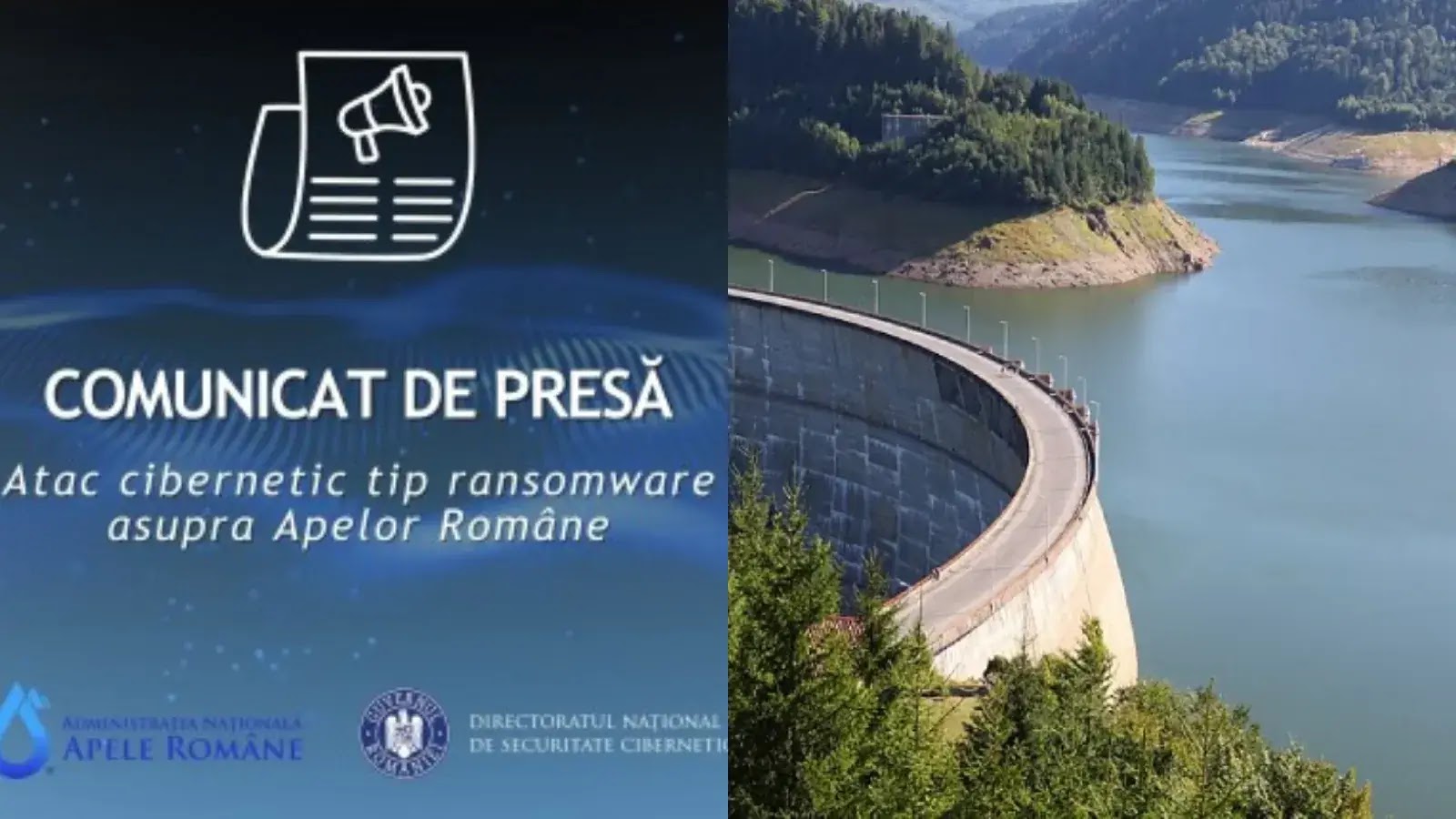
Ransomware Attack on Romanian Waters Authority – 1,000+ IT Systems Compromised
The integrity of critical infrastructure stands as a bedrock of national security and public well-being. When systems managing essential services become targets, the reverberations extend far beyond mere data loss. This reality was starkly illuminated on December 20, 2025, when Romania’s National Administration “Apele Române” (Romanian Waters) disclosed a severe ransomware attack that compromised over 1,000 of its IT systems. This incident highlights the persistent and evolving threat ransomware poses to vital national services, from water management to energy grids.
Understanding the Ransomware Attack on Romanian Waters Authority
The cyberattack against Romanian Waters, the national body responsible for managing Romania’s water resources and hydrotechnical operations, was extensive. It successfully infiltrated approximately 1,000 IT systems across the agency and specifically impacted 10 out of its 11 regional water basin administrations. This broad reach into such a critical entity underscores the sophisticated targeting methods employed by threat actors. While the severity of the compromise to administrative IT networks was significant, it is crucial to note that operational technologies (OT) remained secure throughout the incident. This separation likely prevented direct disruptions to water supply or treatment, mitigating what could have been a catastrophic outcome for the public.
The Scope of the Compromise
The attack on Romanian Waters targeted a wide array of IT systems, impacting the agency’s ability to manage administrative tasks, communications, and potentially data related to water resource planning and management. Such a compromise can lead to significant operational delays, data exfiltration risks, and the need for extensive recovery efforts. The fact that 10 out of 11 regional water basin administrations were affected indicates a systemic vulnerability or a highly coordinated attack campaign. This widespread impact emphasizes the need for comprehensive cybersecurity strategies that span an entire organization, particularly those operating distributed critical infrastructure.
Cybersecurity Implications for Critical Infrastructure
The incident at Romanian Waters serves as a potent reminder of the unique challenges in securing critical infrastructure. These organizations often manage a complex interplay of IT and OT environments, with the latter frequently involving legacy systems, proprietary protocols, and a heightened need for availability. The successful segregation of OT systems in this case was a critical protective measure, preventing the ransomware from impacting physical operations. However, the compromise of administrative IT systems still poses substantial risks, including:
- Operational Disruption: While OT wasn’t directly hit, administrative IT supports critical planning, billing, and logistical functions, whose disruption can indirectly affect operations.
- Data Integrity and Confidentiality: Sensitive data related to national water resources, infrastructure schematics, or even citizen information could be exfiltrated or corrupted.
- Reputational Damage: Such incidents erode public trust in essential services and government agencies.
- Financial Costs: Recovery from ransomware attacks involves significant financial outlays for remediation, system rebuilding, and potential ransom payments.
Remediation Actions and Best Practices for Critical Infrastructure
Responding to a widespread ransomware attack, especially in a critical infrastructure setting, requires a multi-faceted approach. For organizations like Romanian Waters, immediate and long-term strategies are crucial:
- Incident Response Plan Activation: Swift execution of a pre-established incident response plan is paramount. This includes isolation of affected systems, forensic analysis to determine the attack vector, and containment measures.
- Operational Technology (OT) Segregation: Maintaining air-gapped or strictly segregated networks between IT and OT systems is a fundamental security control. This incident highlights the effectiveness of such measures.
- Robust Backup and Recovery Strategy: Regular, immutable backups stored off-site are essential for rapid data recovery without resorting to ransom payments. Testing these backups thoroughly is equally important.
- Endpoint Detection and Response (EDR)/Extended Detection and Response (XDR): Deploying advanced EDR/XDR solutions across IT endpoints can help detect and respond to malicious activity early, potentially preventing widespread compromise.
- Network Segmentation: Beyond IT/OT segregation, internal network segmentation can limit the lateral movement of attackers even if an initial breach occurs.
- Employee Training and Awareness: Phishing and social engineering remain primary initial access vectors. Regular, comprehensive cybersecurity training for all staff is vital.
- Vulnerability Management and Patching: Consistent identification and patching of software vulnerabilities, particularly for internet-facing systems, reduces the attack surface.
- Multi-Factor Authentication (MFA): Implementing MFA for all access points, especially for remote access and administrative accounts, adds a critical layer of security.
Looking Ahead: The Evolving Threat Landscape
The ransomware attack against Romanian Waters underscores an ongoing trend: critical infrastructure remains a high-value target for cybercriminals and state-sponsored actors. The potential for disruption, financial gain, and geopolitical leverage makes these organizations attractive. Proactive cybersecurity investments, continuous threat intelligence integration, and robust incident preparedness are not merely advisable; they are imperative for safeguarding national security and public services. Organizations must evolve their defenses at a pace that matches the accelerating sophistication of cyber threats.