Russian and North Korean Hackers Form Alliances to Attack Organizations Worldwide
A Dangerous Confluence: Russian and North Korean Hackers Forge Alliances
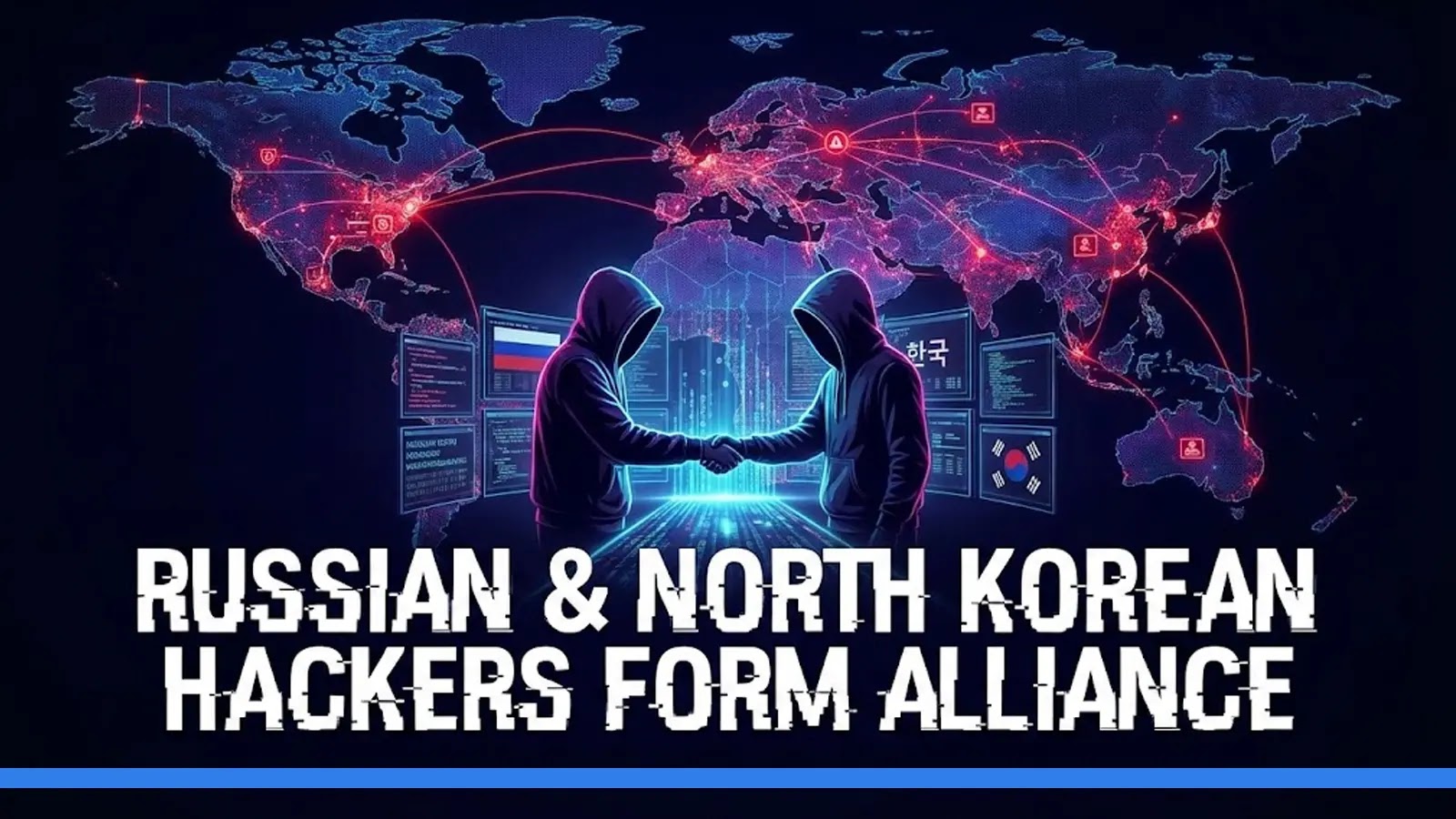
The landscape of cyber warfare is in constant flux, but few shifts are as concerning as the recent evidence suggesting a collaboration between two of the world’s most formidable state-sponsored advanced persistent threat (APT) actors. Traditionally, intelligence agencies and cybersecurity experts have tracked these groups operating in silos, each meticulously executing its nation’s strategic objectives. However, new insights reveal that Russia-aligned Gamaredon and North Korea’s Lazarus Group appear to be sharing operational infrastructure, signaling a significant and disquieting evolution in global cyber threats. This alliance moves beyond mere tactical cooperation, indicating a deeper strategic integration that poses heightened risks to organizations worldwide.
The Evolution of Cyber Espionage: From Isolation to Integration
For years, the modus operandi of state-backed hacking groups has been defined by their national allegiances and singular objectives. Russia’s Gamaredon (also known as Primitive Bear, Shuckworm, or UAC-0010) has been consistently linked to attacks targeting Ukrainian government entities, military organizations, and critical infrastructure, often employing sophisticated spear-phishing campaigns and custom malware to establish long-term access. On the other hand, North Korea’s Lazarus Group (also known as APT38, Hidden Cobra, or ZINC) has gained notoriety for its audacious financial heists, intellectual property theft, and disruptive attacks, specifically against the financial sector and cryptocurrency exchanges, aiming to circumvent international sanctions and fund the DPRK regime. The notion of such disparate groups pooling resources and sharing operational infrastructure represents a strategic recalculation in the global cyber arena.
Shared Infrastructure: A New Era of Collaboration
The core of this concerning development lies in the reported sharing of operational infrastructure. This isn’t merely about exchanging tactics; it suggests a more profound level of cooperation, potentially involving:
- Command and Control (C2) Servers: Utilizing common C2 architecture could allow each group to leverage established footholds or resilient network structures, making detection and attribution significantly more challenging.
- Malware Distribution Networks: Shared infrastructure for delivering initial access or deploying payloads could streamline attacks and increase their scale.
- Exfiltration Channels: Establishing joint data exfiltration routes can provide redundancy and complicate efforts to block data theft.
- Testing Environments: While unconfirmed, the possibility of sharing testing environments could lead to more robust and evasive malware.
This collaboration dramatically enhances their collective threat potential. By leveraging each other’s expertise and resources, they can achieve greater sophistication, expand their target范围, and increase the difficulty of detection and attribution for cybersecurity defenders.
Increased Risk to Global Organizations
The implications of this alliance are far-reaching, presenting a magnified threat to various sectors globally:
- Financial Institutions: Lazarus Group’s historical focus on financial theft combined with Gamaredon’s penchant for pervasive access could lead to more sophisticated and damaging attacks on banks, cryptocurrency exchanges, and financial infrastructure.
- Government and Defense: Nations allied with Russia or those perceived as adversaries by North Korea face an elevated risk of espionage, data exfiltration, and disruption of critical services.
- Critical Infrastructure: The potential for coordinated attacks against power grids, telecommunications, and transportation networks could have devastating real-world consequences.
- Technology and Research: Intellectual property theft and espionage targeting advanced technologies and research remain a significant concern, especially when backed by the combined resources of these groups.
Remediation Actions and Enhanced Preparedness
Organizations must recalibrate their cybersecurity strategies to counter this evolving threat. Proactive and layered defenses are no longer optional, but essential.
- Enhanced Threat Intelligence Sharing: Actively subscribe to and integrate threat intelligence feeds from reputable sources, focusing specifically on indicators of compromise (IoCs) related to Gamaredon and Lazarus Group.
- Robust Endpoint Detection and Response (EDR): Implement and continuously monitor EDR solutions capable of detecting advanced persistent threats, including fileless malware and living-off-the-land techniques often employed by these groups.
- Multi-Factor Authentication (MFA) Everywhere: Mandate MFA for all user accounts, especially for remote access, privileged accounts, and critical systems.
- Network Segmentation and Least Privilege: Segment networks to limit lateral movement and enforce the principle of least privilege for all users and services.
- Regular Security Audits and Penetration Testing: Conduct frequent external and internal penetration tests and security audits to identify and remediate vulnerabilities before they can be exploited.
- Employee Training and Awareness: Educate employees on phishing, social engineering tactics, and the dangers of opening suspicious attachments or clicking malicious links.
- Patch Management: Maintain a rigorous patch management program to ensure all operating systems, applications, and network devices are up-to-date with the latest security fixes.
- Incident Response Plan: Develop and regularly test a comprehensive incident response plan, ensuring clear roles, responsibilities, and communication protocols.
Staying informed about specific vulnerabilities exploited by these groups is also critical. While there’s no single CVE tied to their alliance, their past activities point to specific tactics. For instance, Lazarus Group has historically leveraged vulnerabilities like CVE-2017-0199 targeting Microsoft Office or CVE-2018-8423 in Windows. Gamaredon frequently exploits common software vulnerabilities and relies heavily on social engineering for initial access.
Conclusion
The alliance between Russian and North Korean state-sponsored hacking groups marks a dangerous escalation in the global cyber threat landscape. Far from isolated incidents, this collaboration suggests a strategic alignment that leverages the unique strengths of each actor, creating a more potent and pervasive threat. For organizations worldwide, this demands a fundamental re-evaluation of cybersecurity postures. Proactive defense, robust threat intelligence integration, and continuous vigilance are no longer mere best practices; they are critical imperatives for safeguarding sensitive data, intellectual property, and operational continuity against this evolving and formidable adversary.