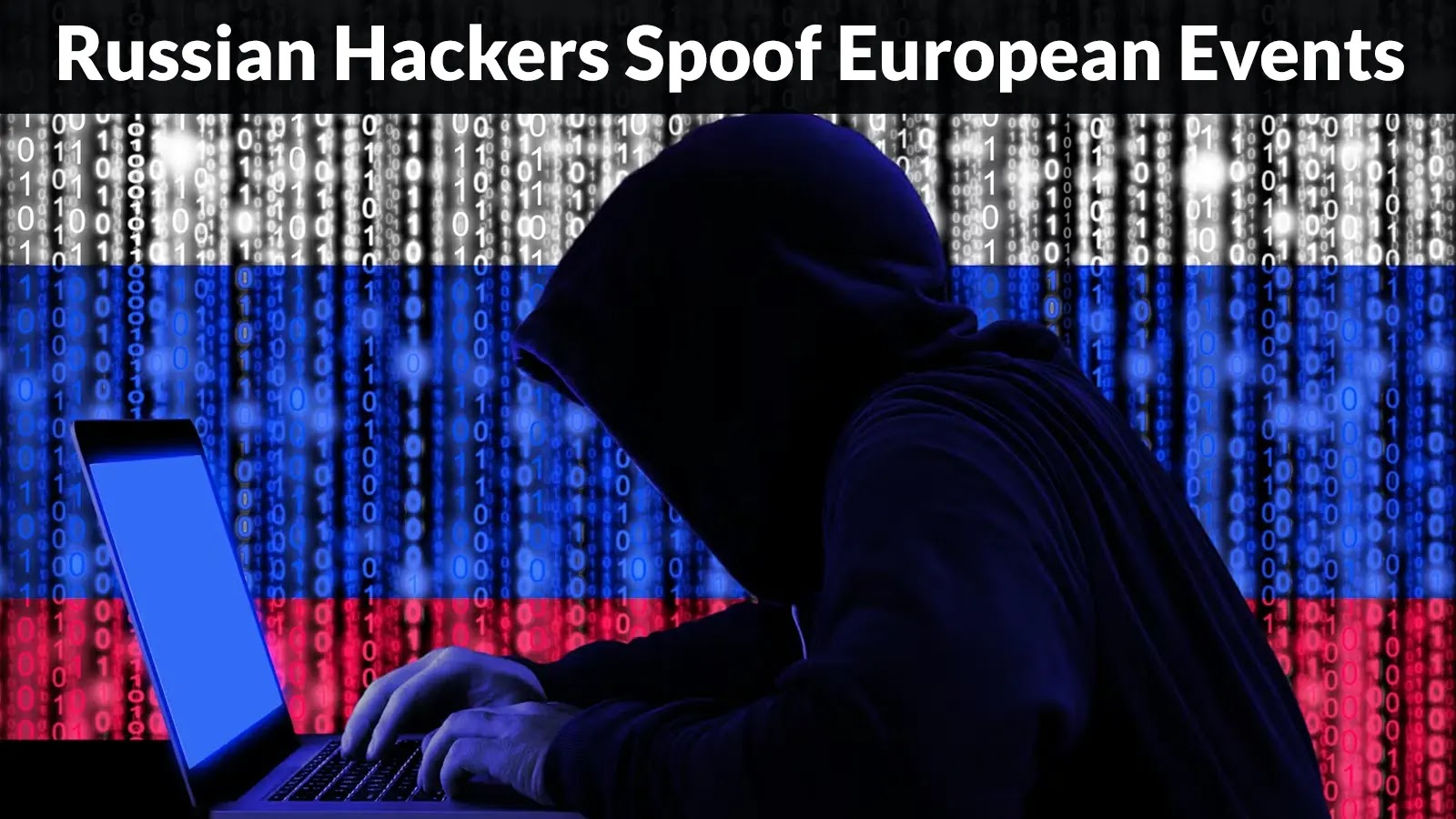
Russian Hackers Spoof European Events in Targeted Phishing Attacks
In the high-stakes world of cybersecurity, understanding the tactics of nation-state threat actors is paramount. A disturbing trend has emerged, with Russian-linked advanced persistent threat (APT) groups leveraging sophisticated phishing campaigns that masquerade as legitimate European security events to compromise cloud credentials. This isn’t just about email spoofing; it’s a meticulously crafted social engineering scheme designed to infiltrate critical infrastructure and sensitive data environments.
The Deceptive Lure of European Security Conferences
Threat actors, reportedly tied to Russian state interests, are orchestrating a new wave of targeted phishing attacks. These campaigns are particularly insidious because they exploit the trust associated with well-known professional gatherings. Imagine receiving an invitation to a prestigious event like the Belgrade Security Conference or the Brussels Indo-Pacific Dialogue. These invitations appear authentic, complete with official-looking logos and professional language. The catch? They are meticulously crafted decoys.
The malicious intent becomes clear when recipients click on links within these spoofed invitations. Instead of leading to genuine registration portals, victims are directed to highly polished, fake registration sites. These sites are designed with remarkable precision, mirroring the actual event organizers’ branding and user interface. The primary objective behind this elaborate ruse is to harvest cloud credentials, granting unauthorized access to sensitive systems and data.
Understanding the Threat Actor’s Modus Operandi
The success of these campaigns hinges on their ability to convincingly mimic legitimate communications and web presence. Here’s a breakdown of their typical approach:
- Event Spoofing: Key European security and geopolitical events are identified and replicated. This adds a layer of credibility, as targets expect to receive communications about such conferences.
- Credential Phishing: The ultimate goal is to steal login credentials, particularly for cloud services. Compromised cloud accounts can serve as launchpads for further network penetration, data exfiltration, and lateral movement within an organization.
- Sophisticated Social Engineering: The attackers demonstrate a deep understanding of human psychology and organizational protocols. They leverage the busy schedules of professionals and the perceived urgency of event registration to bypass critical thinking.
- Plausible Deniability: The use of legitimate-looking domains and well-designed landing pages makes it difficult for casual observers to differentiate between genuine and malicious content, at least initially.
Remediation Actions for Enhanced Cybersecurity Defense
Defending against such sophisticated attacks requires a multi-layered approach. Organizations and individuals must be proactive and vigilant.
- Verify All Event Communications: Always independently verify the legitimacy of any conference invitation or registration link, especially if it’s unexpected or from an unfamiliar sender. Cross-reference the sender’s email address with official event websites.
- Implement Multi-Factor Authentication (MFA): MFA is a critical defense against credential theft. Even if an attacker obtains a password, MFA can prevent unauthorized access. Implement MFA across all critical cloud services and internal systems.
- Conduct Regular Security Awareness Training: Educate employees about the tactics used in phishing and social engineering attacks. Highlight the importance of scrutinizing email headers, checking URLs before clicking, and reporting suspicious communications.
- Deploy Advanced Email Security Solutions: Utilize email gateways with robust anti-phishing and anti-spoofing capabilities. These solutions can often detect and quarantine malicious emails before they reach end-users.
- Monitor Cloud Access Logs: Regularly review cloud access logs for unusual login patterns, such as access from unfamiliar locations or after hours. Anomalies should trigger immediate alerts and investigations.
- Strong Password Policies: Enforce the use of strong, unique passwords and regularly remind users about password hygiene best practices.
Conclusion: Staying Ahead in the Cybersecurity Arms Race
The ongoing threat of Russian-backed cyber espionage, as evidenced by these targeted phishing campaigns, underscores the need for continuous vigilance. Threat actors are constantly refining their methodologies, making it imperative for cybersecurity professionals and organizations to stay informed and adapt their defenses accordingly. By understanding the tactics involved and implementing robust security measures, we can significantly reduce the attack surface and protect against these persistent and evolving threats.