Signal Confirms Targeted Phishing Attacks Resulting in Account Takeovers
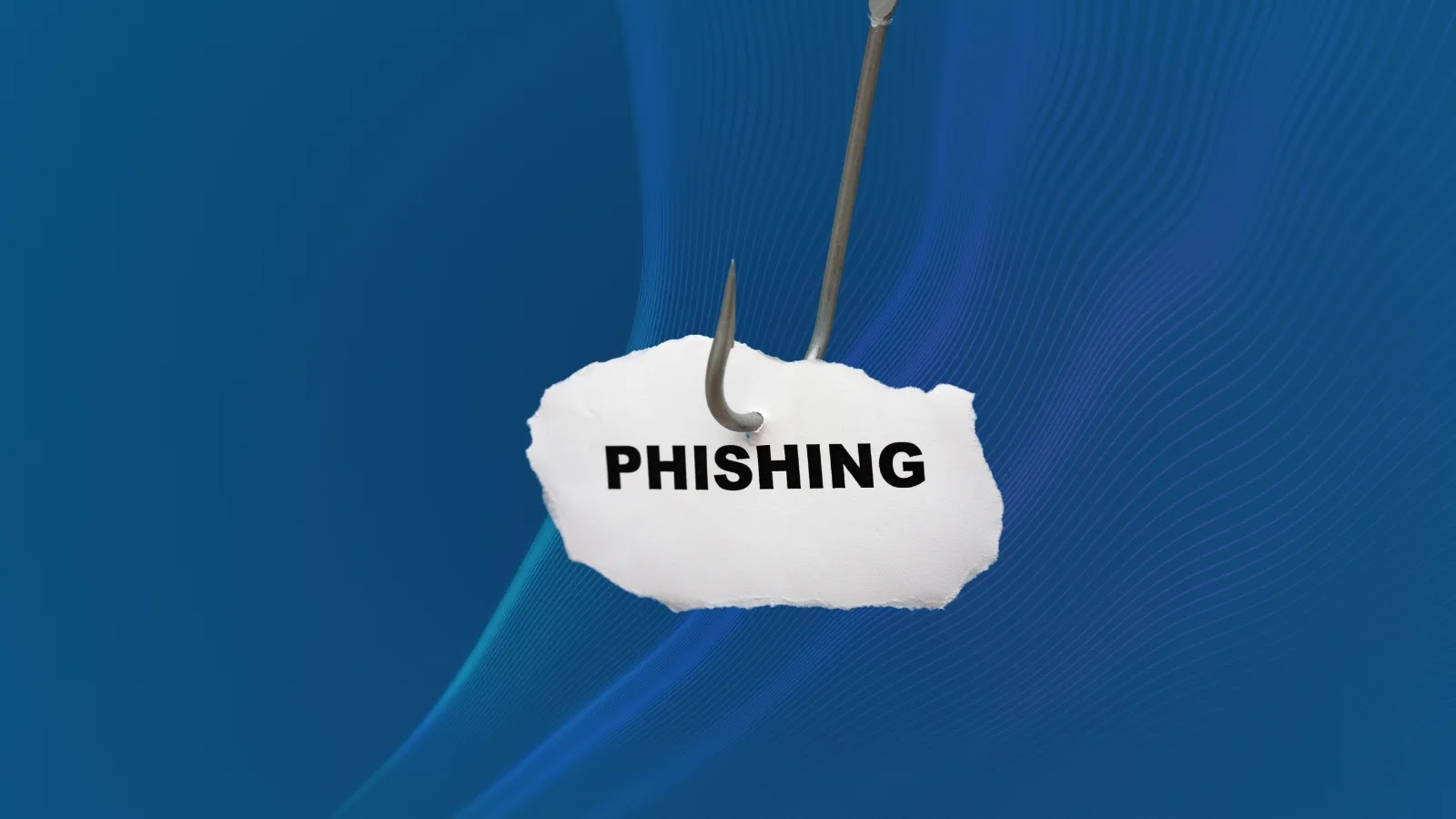
The digital red carpet has been rolled out for threat actors targeting high-profile individuals, as Signal, the renowned encrypted messaging service, confirms a wave of sophisticated phishing attacks. These campaigns have led to successful account takeovers, impacting journalists and even government officials. This isn’t a vulnerability within Signal’s robust core infrastructure or its end-to-end encryption protocols; those remain uncompromised. Instead, attackers are exploiting human trust, bypassing security boundaries through social engineering.
Understanding the Targeted Phishing Attacks
Signal’s recent confirmation shines a spotlight on a critical and evolving threat landscape: targeted phishing. Unlike broad, indiscriminate spam campaigns, these attacks are meticulously crafted, tailored to specific individuals or groups. The goal is to trick users into divulging sensitive information, typically login credentials, which then grants unauthorized access to their accounts.
The key takeaway from Signal’s statement is that the integrity of their platform’s encryption and underlying infrastructure is holding strong. The problem lies not in how Signal secures its data in transit or at rest, but in how users are being tricked into providing keys to their own digital doors. This highlights a persistent challenge in cybersecurity: the “human element” often remains the weakest link.
The Tactic: Bypassing Security Through Social Engineering
While the exact vectors used in these Signal-specific phishing attacks haven’t been fully detailed, the general modus operandi of bypassing security boundaries “by […]” (as a common phishing tactic) typically involves elaborately designed impostor websites, malicious links, or convincing social engineering narratives. These might include:
- Impersonation: Threat actors might impersonate Signal support, a known contact, or an organization the target trusts, requesting login information or verification.
- Credential Harvesting: Phishing sites are designed to mimic legitimate login pages, tricking users into entering their credentials, which are then immediately stolen.
- Session Hijacking: In some cases, sophisticated phishing schemes might even attempt to hijack active user sessions without requiring a full re-login, though this is less common for services like Signal.
It’s crucial to understand that these attacks leverage psychological manipulation rather than technical exploits like CVE-2023-38831, which would indicate a software flaw. The focus is on deceiving the user.
Implications for High-Profile Users
The fact that journalists and government officials are among the targets underscores the severity and potential impact of these account takeovers. For these individuals, compromised accounts can lead to:
- Exposure of Sources: For journalists, this could endanger confidential sources and compromise journalistic integrity.
- Disclosure of Sensitive Information: Government officials often communicate highly classified or sensitive matters, making their accounts prime targets for espionage or data theft.
- Reputational Damage: Account takeovers can be used to spread misinformation or manipulate public perception, causing significant damage.
- Further Compromises: A compromised Signal account could be used as a stepping stone to access other linked services or contacts.
Remediation Actions and Best Practices
Given that the attacks exploit human vulnerabilities, the remediation actions primarily focus on enhancing user awareness and implementing robust personal security practices.
- Enable Two-Factor Authentication (2FA): Always activate 2FA for your Signal account and any other critical services. This adds an essential layer of security, requiring a second verification step even if your password is compromised.
- Be Skeptical of Unsolicited Communications: Treat any unsolicited messages or links with extreme caution, especially those asking for personal information or directing you to login pages.
- Verify Sender Identity: If you receive a suspicious message, verify the sender’s identity through an alternative, trusted communication channel before clicking any links or providing information.
- Inspect URLs Carefully: Before clicking any link, hover over it to see the actual URL. Look for subtle misspellings or unusual domain names that indicate a phishing attempt.
- Use Strong, Unique Passwords: Employ long, complex, and unique passwords for all your online accounts. A password manager can be invaluable for this.
- Keep Software Updated: While not the direct cause of these attacks, keeping your device’s operating system and Signal app updated ensures you have the latest security patches against other potential threats.
- Educate Yourself and Your Team: Regular security awareness training is vital, especially for individuals in high-risk professions.
Tools for Enhanced Security
While these phishing attacks aren’t directly mitigated by traditional vulnerability scanners, certain tools can significantly enhance your overall digital security posture and help prevent successful social engineering attempts.
| Tool Name | Purpose | Link |
|---|---|---|
| Password Managers (e.g., LastPass, 1Password, Bitwarden) | Securely store and generate strong, unique passwords for all accounts, reducing the risk of credential reuse. | LastPass / 1Password / Bitwarden |
| Hardware Security Keys (e.g., YubiKey, Google Titan) | Provide a robust form of two-factor authentication that is highly resistant to phishing. Many services, including Signal, support them. | YubiKey / Google Titan |
| Reputable Antivirus/Anti-Malware Software | Protects against malware, which can sometimes be delivered via phishing links, and flags suspicious websites. | Malwarebytes / Kaspersky / Bitdefender |
| Phishing Training Platforms | Simulate phishing attacks to train employees and individuals on how to identify and avoid social engineering tactics. | KnowBe4 / Cofense |
Conclusion
The Signal account takeovers serve as a stark reminder that even the most secure platforms can be circumvented when human users fall prey to sophisticated social engineering. Signal’s core encryption remains unbreached, reinforcing the principle that robust technical security must be complemented by vigilant user behavior. For IT professionals, security analysts, and developers, this incident underscores the ongoing necessity for comprehensive security education, multi-factor authentication, and a perpetual culture of skepticism regarding unsolicited digital communications. Protecting high-value targets requires a defense-in-depth strategy that extends beyond technical safeguards to empower individuals against the increasingly clever tactics of threat actors.