Sophisticated Cyber Attack Targets Wedding Industry With Teams-Based Malware Delivery
Imagine meticulously planning the most important day of someone’s life, only to have your systems infiltrated by a sophisticated cyberattack. This isn’t a hypothetical scenario; it’s the reality for wedding professionals currently facing a cunning new phishing campaign. Threat actors are leveraging the perceived trust of professional communication, specifically Microsoft Teams, to deliver potent stealer malware, marking a significant escalation in targeted cybercrime.
The Deceptive Lure: Compromised Trust in the Wedding Industry
Security researchers have uncovered a highly sophisticated phishing campaign directly targeting the wedding industry. This attack vector stands out due to its exploitation of legitimate, compromised email accounts to establish a baseline of trust. Threat actors are not relying on generic spam but rather on carefully crafted impersonations that leverage existing professional relationships, making the malicious intent far harder to discern.
Microsoft Teams: An Unsuspecting Delivery Vehicle
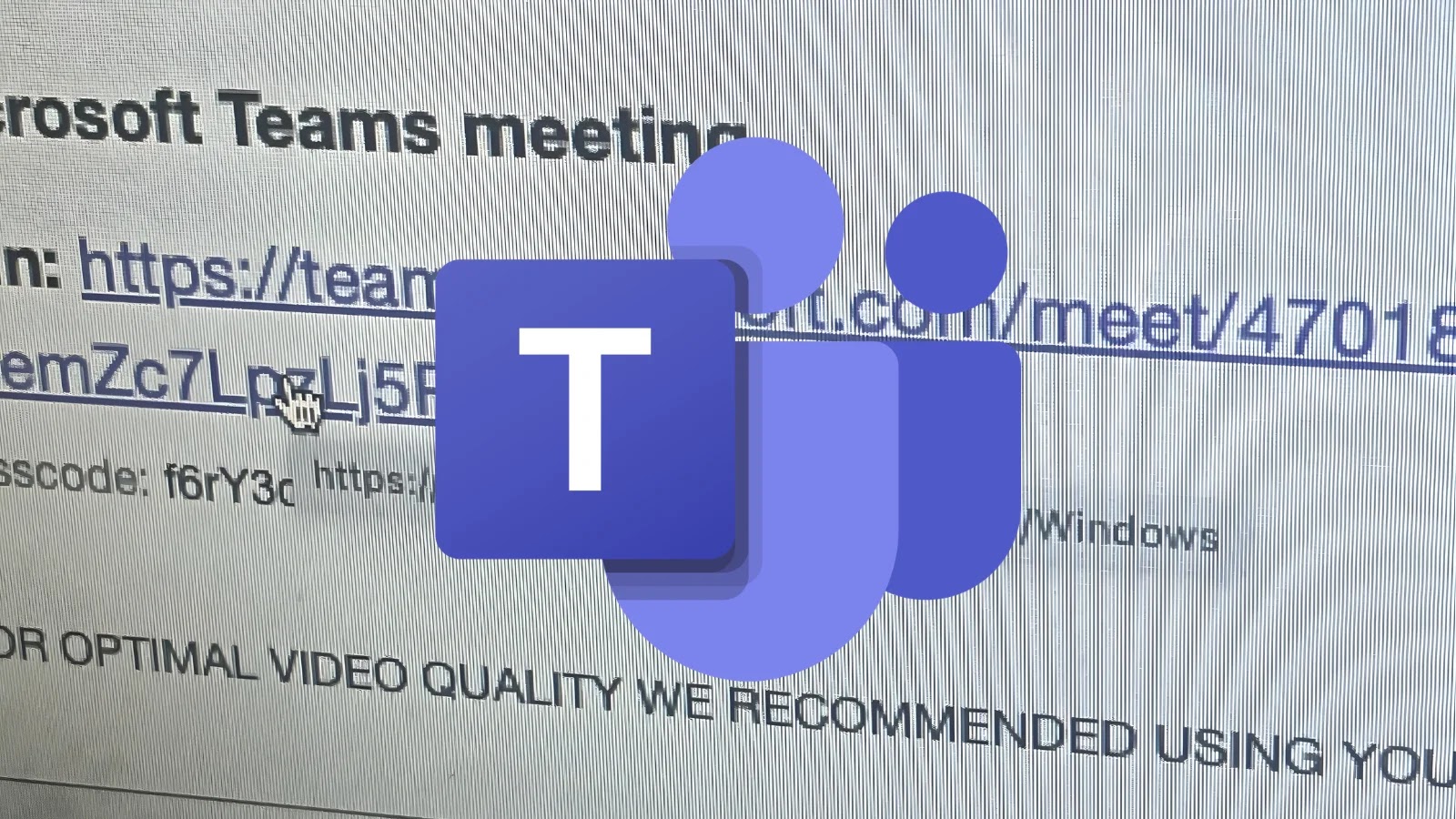
The core of this attack revolves around the weaponization of Microsoft Teams. While Teams is an indispensable tool for collaboration, attackers are exploiting its communication channels to deliver malware. Initial reconnaissance suggests emails are sent from seemingly authentic sources, such as czimmerman@craigzlaw[.]com, an email address linked to The Law Offices of Craig Zimmerman – a legitimate consumer protection firm. This impersonation is critical, as it lends a veneer of authenticity to the initial contact, making recipients more likely to engage.
Stealer Malware: The Hidden Payload
Once a victim engages with the deceptive communication, the ultimate goal is the delivery of stealer malware. These types of malicious payloads are designed to exfiltrate sensitive information from compromised systems. This can include login credentials, financial data, personal identifiable information (PII), and other valuable data that can be sold on dark web markets, used for further attacks, or leveraged for identity theft. The seemingly innocuous link to a “Teams meeting” likely initiates the download of this malware, bypassing traditional email security measures that might flag suspicious attachments.
The Modus Operandi: A Multi-Stage Attack
- Initial Contact: Phishing emails are sent from compromised, legitimate email addresses, often impersonating legal professionals, to establish trust.
- Deception: The emails prompt recipients to join or access information related to a Microsoft Teams meeting, promising important details such as contract reviews or client discussions.
- Payload Delivery: Clicking the malicious link initiates the download of stealer malware, often disguised as a document or a Team’s meeting installer.
- Data Exfiltration: The malware then silently collects sensitive information from the victim’s device, sending it back to the attackers.
Remediation Actions for Wedding Professionals
Combating such a sophisticated and targeted attack requires a multi-layered approach. Wedding planners, vendors, and associated businesses must prioritize cybersecurity hygiene. The following actions are crucial:
- Verify Email Senders: Always double-check the sender’s email address, even if the name appears familiar. Look for subtle misspellings or unusual domain names.
- Hover Before Clicking: Before clicking any link in an email, hover over it to reveal the actual URL. If it directs to an unfamiliar or suspicious domain, do not click.
- Multi-Factor Authentication (MFA): Implement MFA across all business accounts, especially for email and collaboration platforms like Microsoft Teams. This adds a critical layer of security even if credentials are compromised.
- Employee Training: Conduct regular cybersecurity awareness training for all staff. Educate them on recognizing phishing attempts, social engineering tactics, and the dangers of clicking unknown links.
- Endpoint Detection and Response (EDR): Utilize EDR solutions to monitor endpoints for suspicious activity and promptly detect and respond to potential malware infections.
- Regular Backups: Maintain regular, offsite backups of all critical business data to ensure business continuity in case of a successful data breach or ransomware attack.
- Software Updates: Keep all operating systems, applications, and security software up to date. Patches often address known vulnerabilities that attackers exploit.
- Antivirus/Anti-Malware Solutions: Deploy robust antivirus and anti-malware software across all devices and ensure they are actively scanning.
Tools for Enhanced Security
Leveraging appropriate tools can significantly bolster your defense against such sophisticated attacks.
| Tool Name | Purpose | Link |
|---|---|---|
| PhishTank | Community-based phishing URL verification | https://www.phishtank.com/ |
| Microsoft Defender for Endpoint | Endpoint Detection and Response (EDR) | https://www.microsoft.com/en-us/security/business/threat-protection/microsoft-defender-for-endpoint |
| Virustotal | Analyze suspicious files and URLs | https://www.virustotal.com/gui/home/upload |
| Have I Been Pwned? | Check if your email or phone has been compromised in data breaches | https://haveibeenpwned.com/ |
Conclusion: Stay Vigilant, Stay Secure
This attack against the wedding industry underscores the critical need for constant vigilance and proactive cybersecurity measures. Threat actors are continually evolving their tactics, exploiting trust and commonly used platforms. For businesses in the wedding sector and indeed, any industry, a strong security posture built on informed employees, robust technical controls, and continuous monitoring is the best defense against increasingly sophisticated cyber threats. The digital landscape demands that we not only adapt but anticipate the next wave of attacks.