Tire Pressure Systems in Toyota, Mercedes, and Other Major Car Brands Enable Silent Vehicle Tracking
Imagine your daily commute, a seemingly private journey, being unknowingly broadcast to anyone with a cheap radio receiver. This isn’t a scene from a dystopian novel; it’s a stark reality for millions of drivers, thanks to an overlooked vulnerability in their vehicles’ Tire Pressure Monitoring Systems (TPMS). Recent research has exposed how these ubiquitous systems, found in major car brands like Toyota, Mercedes, Renault, and Hyundai, broadcast unencrypted tire data, creating an astonishingly simple and low-cost method for passive vehicle tracking.
This revelation isn’t theoretical. A 10-week study conducted by researchers from IMDEA Networks and their collaborators captured over 6 million signals from 20,000 vehicles using readily available, sub-$100 receivers. The implications for driver privacy and national security are profound, demanding immediate attention from both manufacturers and consumers.
The Mechanics of Silent Tracking: How TPMS Becomes a Spy
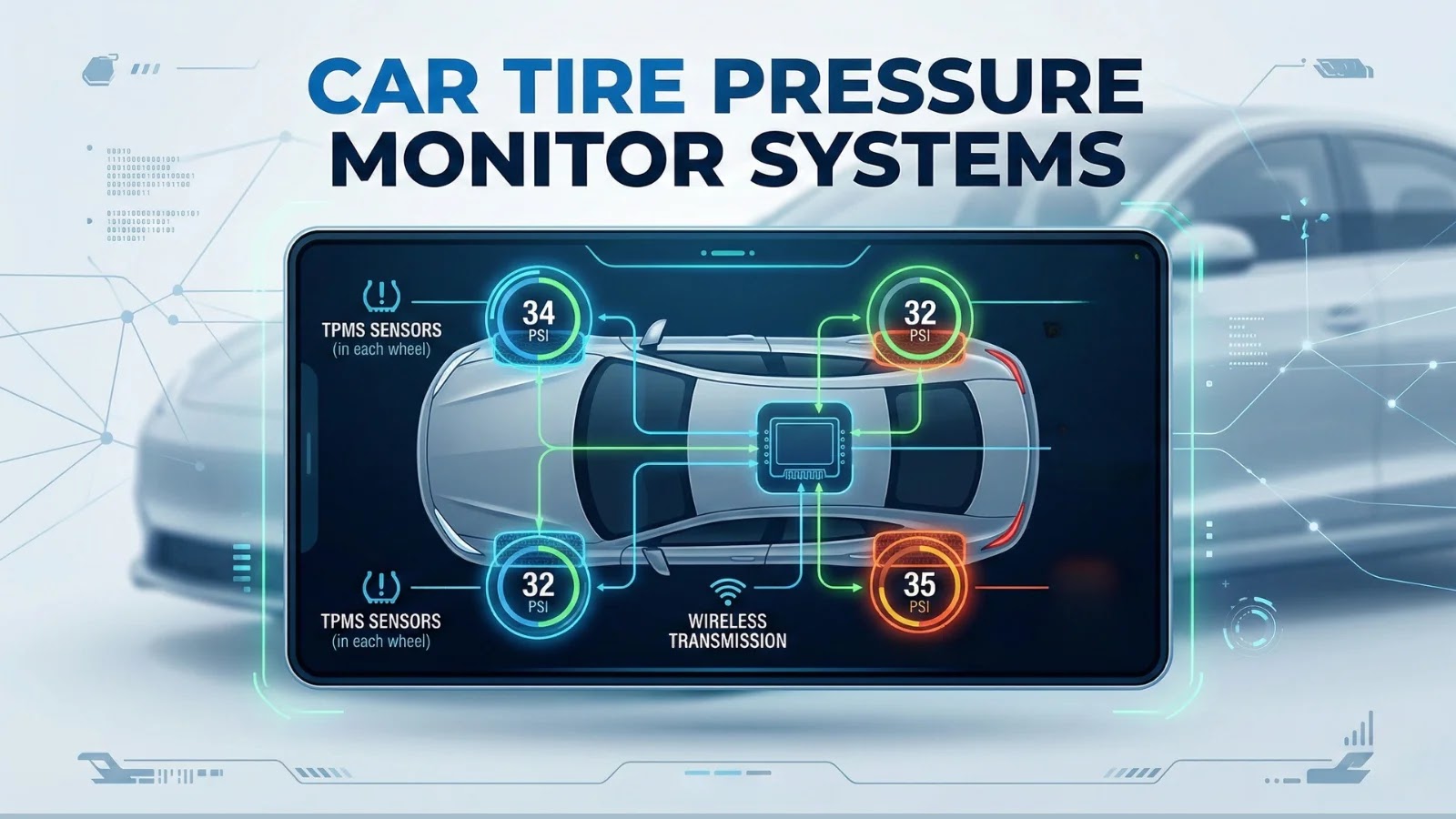
Direct TPMS (dTPMS) sensors, commonly embedded within each tire, constantly monitor air pressure and temperature. This data is then wirelessly transmitted to the car’s onboard computer. The critical flaw lies in the nature of these transmissions: they are often unencrypted and lack authentication. Each TPMS sensor broadcasts a unique identifier, akin to a serial number, along with the other tire data.
When these signals are sent out, a low-cost software-defined radio (SDR) and a basic antenna – components easily acquired for under $100 – can intercept them. By correlating the unique sensor IDs with location data, an attacker can passively track a vehicle’s movements. Because the signals are constantly emitted, even when the vehicle is parked, a persistent network of these receivers could build a comprehensive travel history for specific vehicles.
The Scale of the Problem: Millions of Signals, Thousands of Vehicles
The research highlighted in the Cybersecurity News report is a chilling demonstration of the vulnerability’s widespread nature. Collecting millions of data points from thousands of vehicles within a relatively small geographic area underscores the ease and effectiveness of this tracking method. The sheer volume of intercepted data confirms that this isn’t an obscure vulnerability but a pervasive design flaw present across a significant portion of the automotive industry.
- Unencrypted Data: The fundamental issue is the lack of encryption for the transmitted TPMS data, including the unique sensor ID.
- Lack of Authentication: No mechanism exists to verify the recipient of the TPMS signals, allowing any receiver to capture them.
- Unique Identifiers: Each sensor broadcasts a persistent, unique identifier, enabling long-term tracking of individual vehicles.
- Low-Cost Hardware: The minimal expense of the necessary receiving equipment makes this type of tracking accessible to a broad range of actors.
Privacy in Peril: The Real-World Consequences
The ramifications of this silent tracking capability are extensive and alarming:
- Individual Privacy Erosion: The ability to track a person’s movements without consent or knowledge represents a significant invasion of privacy, revealing travel patterns, home and work locations, and personal habits.
- Corporate Espionage: Competitors could potentially track company vehicles, understanding logistics routes, client visits, or even employee routines.
- Law Enforcement Challenges: While seemingly beneficial, such easy tracking without proper legal oversight could lead to widespread surveillance abuses.
- National Security Risks: Tracking government or military vehicles could expose sensitive locations or operational movements to adversarial entities.
- Stalking and Harassment: The anonymity and low cost of this method make it a potent tool for malicious actors.
Remediation Actions: Securing Our Wheels
Addressing this pervasive vulnerability requires a multi-pronged approach, involving manufacturers, regulatory bodies, and consumers.
For Automotive Manufacturers:
- Implement Encryption: The most crucial step is to integrate robust encryption protocols for all TPMS data transmissions. This would render intercepted signals useless without the decryption key.
- Introduce Randomization/Rotation of IDs: Even with encryption, periodically randomizing or rotating sensor IDs would add another layer of defense against persistent tracking.
- Explore Dynamic Key Exchange: Modern cryptographic practices, such as dynamic key exchange, should be implemented to ensure secure communication between sensors and the vehicle’s ECU.
- Firmware Updates: For vehicles already on the road, manufacturers should actively investigate and develop firmware updates that incorporate these security enhancements, though the logistics of such widespread updates are challenging.
- Adhere to Industry Standards: Collaborate to establish and enforce stronger cybersecurity standards for all connected vehicle components, including TPMS.
For Regulatory Bodies:
- Mandate Security Standards: Governments and regulatory agencies must mandate minimum cybersecurity requirements for automotive TPMS and other connected vehicle systems, similar to standards seen in other critical infrastructure.
- Promote Research and Development: Fund and encourage further research into automotive cybersecurity to proactively identify and mitigate emerging threats.
For Consumers:
- Demand Transparency: When purchasing a new vehicle, inquire about the security features of its TPMS and other connected systems.
- Stay Informed: Be aware of vehicle recalls or software updates related to security vulnerabilities.
- Consider Aftermarket Solutions (with caution): While less ideal, some aftermarket TPMS systems may offer different security profiles, but these should be thoroughly vetted for their own security risks.
Relevant Tools for Analysis and Detection
For cybersecurity researchers and enthusiasts interested in exploring signal vulnerabilities or for those developing detection mechanisms, several tools can be instrumental.
| Tool Name | Purpose | Link |
|---|---|---|
| Software-Defined Radio (SDR) | General-purpose radio receiver for capturing and analyzing radio signals, including TPMS broadcasts. Common examples: RTL-SDR, HackRF One. | https://www.rtl-sdr.com/ |
| GQRX / SDR# | Graphical user interface (GUI) software for SDRs, enabling visualization and demodulation of radio signals. | https://gqrx.dk/ |
| Wireshark | Network protocol analyzer. Can be used for analyzing network traffic from connected car systems if TPMS data is relayed over those networks. | https://www.wireshark.org/ |
| GNU Radio | A free & open-source software development toolkit that provides signal processing blocks to implement software radios. Useful for custom TPMS signal processing. | https://www.gnuradio.org/ |
The Road Ahead: Securing Connected Vehicles
The silent tracking enabled by unencrypted TPMS data is a critical reminder that cybersecurity can no longer be an afterthought in automotive design. As vehicles become increasingly connected and reliant on wireless communication, every component, no matter how seemingly benign, presents a potential attack surface. The privacy implications are profound, demanding urgent action from car manufacturers to secure these systems and from consumers to push for greater transparency and security in their vehicles. The convenience of connected cars should never come at the cost of fundamental privacy and security.