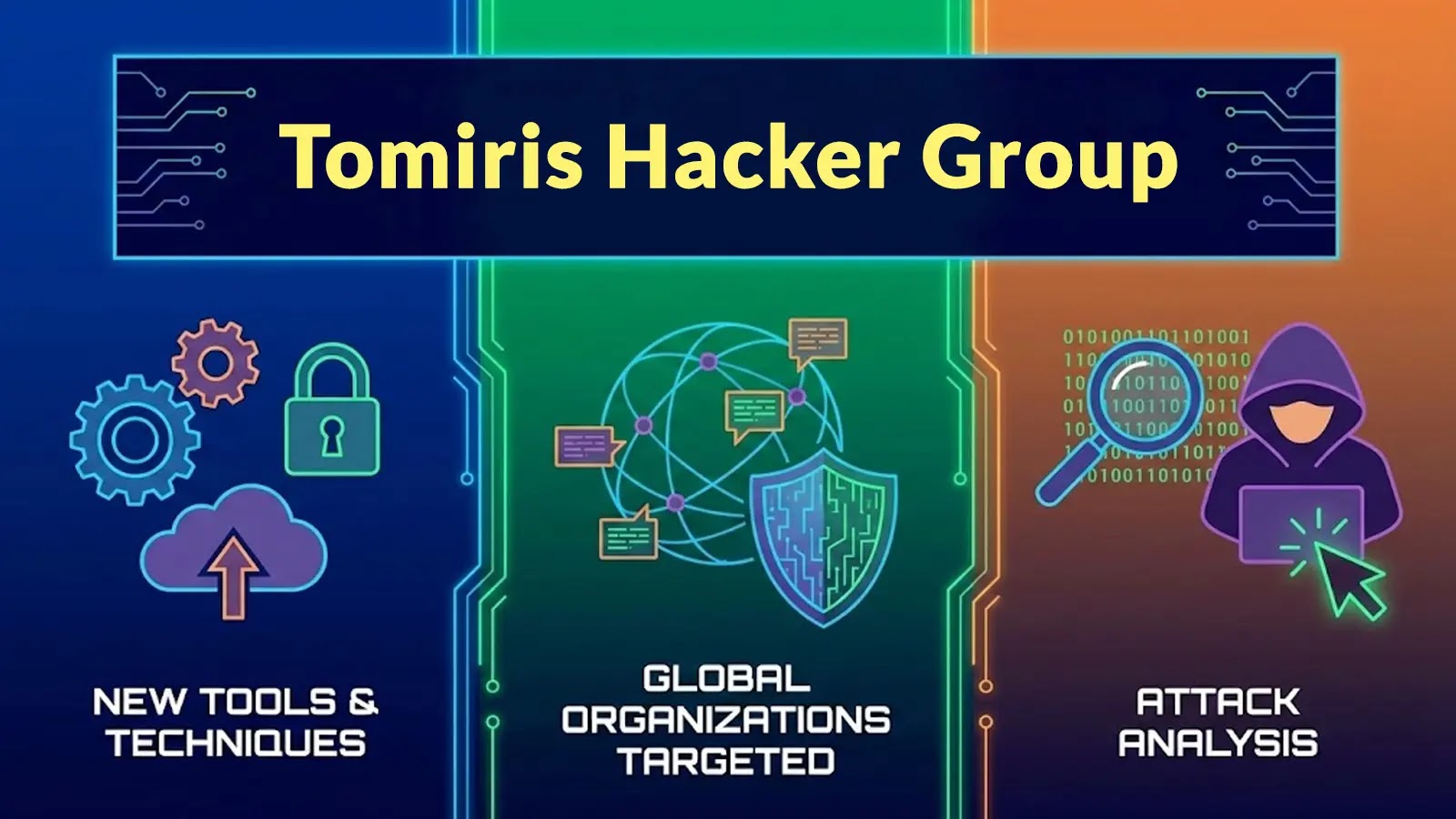
Tomiris Hacker Group Added New Tools and Techniques to Attack Organizations Globally
Unmasking Tomiris: A Global Resurgence with Advanced Tactics
The cybersecurity landscape just became significantly more challenging as the notorious Tomiris hacker group has re-emerged with a sophisticated and aggressive campaign. Shifting their operational strategy, this advanced persistent threat (APT) actor is now targeting high-value diplomatic infrastructure, specifically foreign ministries and government entities across the globe. Beginning in early 2025, Tomiris has demonstrated a significant evolution in its toolkit and methodologies, employing a diverse array of programming languages to bolster their capabilities. For security professionals and IT administrators, understanding these new tactics is paramount to constructing robust defenses against this evolving threat.
Tomiris’s Enhanced Arsenal: A Multi-Language Approach
The hallmark of Tomiris’s latest campaign is its sophisticated use of multiple programming languages. This multi-faceted approach significantly enhances their ability to evade detection, achieve persistence, and conduct effective data exfiltration. Unlike previous iterations that might have relied on a more singular development stack, Tomiris is now leveraging:
- Go (Golang): Known for its concurrency, strong networking capabilities, and ease of cross-compilation, Go allows Tomiris to develop highly efficient and stealthy malware that can operate across various operating systems. This makes their tools harder to trace and analyze.
- Rust: Rust’s focus on memory safety and performance makes it an ideal choice for developing robust and low-level exploits. Its security features also make it difficult for defensive tools to reverse-engineer or tamper with Tomiris’s malicious implants.
- C/C++: The traditional workhorses of system-level programming, C and C++ provide Tomiris with direct access to system resources and offer unparalleled control, allowing for the development of highly potent rootkits, kernel-level exploits, and custom backdoor functionalities.
- Python: Python’s versatility and extensive libraries make it excellent for rapid prototyping, developing command-and-control (C2) communication modules, data manipulation, and crafting sophisticated social engineering tools.
This diverse programming language portfolio indicates a significant investment by Tomiris in developing a more resilient and adaptable attack framework, presenting a formidable challenge for global cybersecurity defenses.
Targeting Diplomatic Infrastructure: A Strategic Shift
Tomiris’s strategic pivot to target foreign ministries and government entities worldwide underscores their ambition to acquire sensitive geopolitical intelligence and potentially disrupt international relations. These organizations hold vast troves of confidential data, diplomatic communications, and strategic policy information, making them prime targets for state-sponsored or highly motivated APT groups. The implications of successful breaches against such targets can range from espionage and intellectual property theft to undermining national security and influencing foreign policy.
Remediation Actions and Proactive Defenses
Defending against an agile and multi-lingual threat actor like Tomiris requires a comprehensive and multi-layered security strategy. Organizations, particularly those in diplomatic and governmental sectors, must implement proactive measures and strengthen their defenses without delay.
- Implement Advanced Endpoint Detection and Response (EDR): Utilize EDR solutions that can detect and respond to sophisticated malware, including fileless attacks and those employing advanced obfuscation techniques in languages like Go and Rust.
- Strengthen Network Segmentation: Isolate critical diplomatic networks and systems to limit lateral movement in the event of a breach. Micro-segmentation can further enhance this protection.
- Regular Vulnerability Management and Patching: Ensure all systems, applications, and network devices are regularly patched and updated to address known vulnerabilities that Tomiris might exploit. While Tomiris uses new tools, they may still leverage known vulnerabilities for initial access.
- Email and Web Gateway Security: Implement robust security at email and web gateways to detect and block phishing attempts and malicious downloads, which are common initial vectors for APTs.
- User Awareness Training: Conduct continuous security awareness training for all personnel, focusing on identifying phishing attempts, social engineering tactics, and safe browsing practices.
- Threat Intelligence Integration: Subscribe to and actively integrate threat intelligence feeds regarding APT groups like Tomiris. This helps in understanding their evolving tactics, techniques, and procedures (TTPs).
- Principle of Least Privilege: Enforce the principle of least privilege for all user accounts and system processes to minimize the impact of a compromise.
- Multi-Factor Authentication (MFA): Mandate MFA for all access to sensitive systems and data to mitigate the risk of compromised credentials.
- Regular Security Audits and Penetration Testing: Conduct frequent internal and external security audits and penetration tests to identify weaknesses in your defenses before attackers do.
- Incident Response Plan (IRP): Develop and regularly exercise a comprehensive incident response plan to ensure a swift and effective reaction to any potential security incident.
Conclusion: A Persistent Threat Demands Persistent Defense
The re-emergence of the Tomiris hacker group with an upgraded arsenal and a clear focus on high-value government and diplomatic targets serves as a stark reminder of the persistent and evolving nature of advanced cyber threats. Their adoption of modern programming languages like Go and Rust, alongside traditional powerhouses like C/C++ and Python, signifies a formidable increase in their capabilities. Organizations must prioritize robust, multi-layered cybersecurity defenses, continuous threat intelligence integration, and proactive vulnerability management to safeguard critical infrastructure and sensitive information from groups like Tomiris. Staying ahead of such sophisticated adversaries requires vigilance, adaptation, and unwavering commitment to cybersecurity best practices.