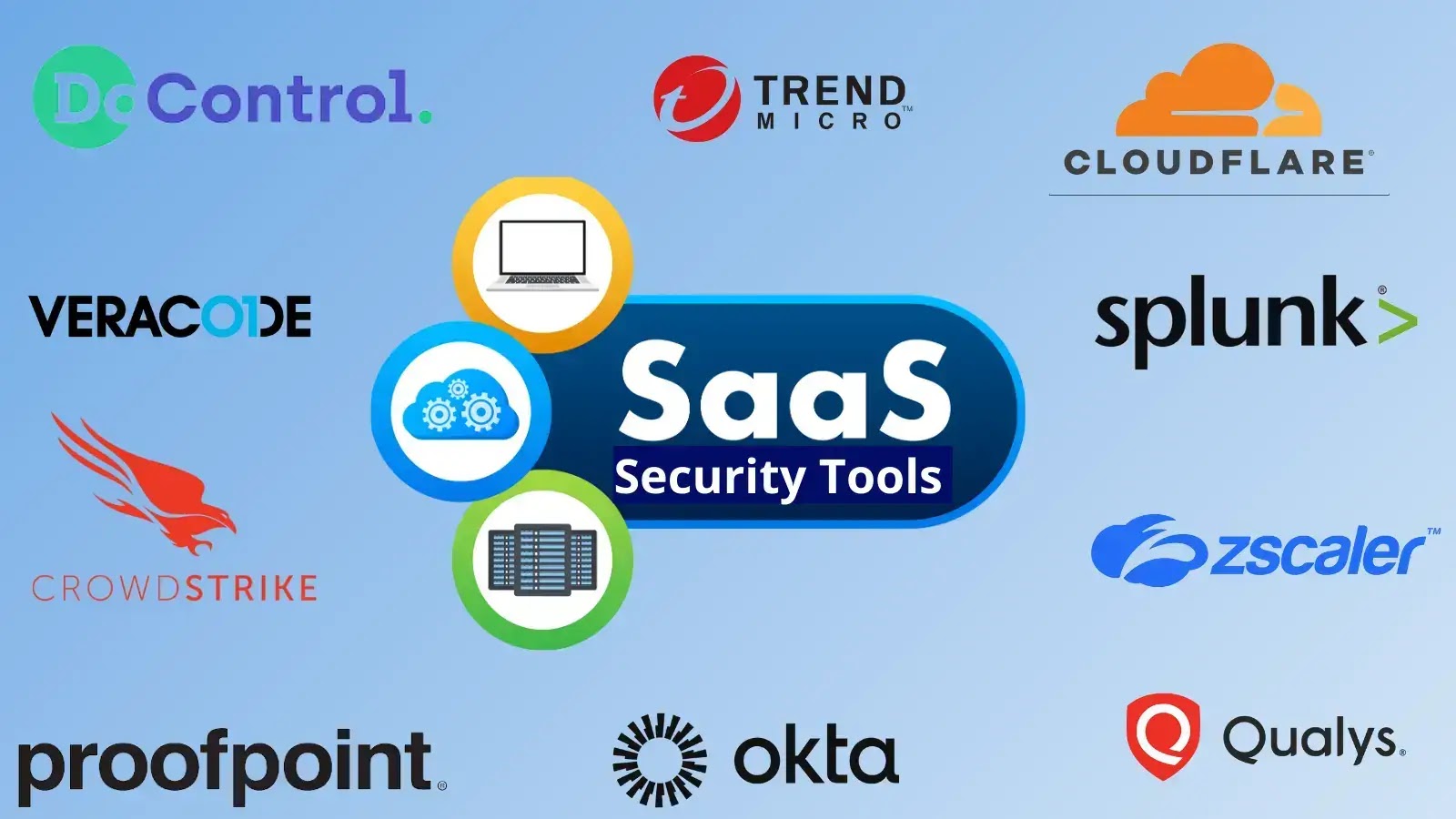
Top 10 Best SaaS Security Tools – 2026
The rapid shift towards cloud-native solutions has made Software-as-a-Service (SaaS) an indispensable backbone for modern enterprises. Yet, this convenience introduces a complex security landscape. As organizations increasingly rely on a diverse portfolio of SaaS applications, managing their security posture becomes a critical challenge, especially with the persistent threat of malware and sophisticated ransomware attacks.
This article dives into the essential tools and strategies for securing your SaaS ecosystem. We’ll explore the current challenges businesses face, such as inconsistent configuration practices, and unveil the top 10 SaaS security tools poised to dominate the industry by 2026, offering robust protection and streamlined management.
The Evolving SaaS Security Landscape
The ubiquity of SaaS applications, from CRM and ERP systems to collaboration platforms and HR tools, means sensitive data resides across numerous third-party environments. This distributed nature fundamentally alters traditional perimeter-based security models. Organizations grapple with a lack of standardized configuration practices across different SaaS providers, leading to potential vulnerabilities. Each new SaaS application can introduce a new attack surface, making comprehensive visibility and control paramount.
Furthermore, the escalating sophistication of cyber threats, including advanced persistent threats (APTs) and zero-day exploits, targets these new attack vectors. For instance, vulnerabilities like CVE-2023-38831, a critical flaw in WinRAR that was exploited in the wild, highlight how even seemingly peripheral software can become an entry point into a broader network, including compromised SaaS access credentials.
Challenges in Securing SaaS Environments
Securing SaaS applications isn’t merely about deploying an antivirus. It’s about a holistic approach to managing identity, data, and configurations across a sprawling digital estate. Key challenges include:
- Shadow IT: Unsanctioned SaaS applications used by employees can bypass security protocols.
- Lack of Centralized Visibility: Difficulty in gaining a unified view of security posture across multiple SaaS providers.
- Inconsistent Configuration: Each SaaS platform has its own security settings, often misconfigured or left at default, increasing risk.
- Data Residency and Compliance: Ensuring data stored in SaaS applications complies with regional regulations (e.g., GDPR, CCPA).
- Identity and Access Management (IAM): Managing user identities and privileges across numerous independent SaaS platforms.
- Threat Detection and Response: Identifying and responding to threats, such as unusual login attempts or data exfiltration, in environments not directly controlled by the organization.
Top 10 Best SaaS Security Tools – 2026
To overcome these challenges, organizations need a robust arsenal of specialized security tools. Here are the anticipated top contenders for SaaS security by 2026, designed to provide comprehensive protection and management:
1. Cloud Access Security Brokers (CASBs)
CASBs act as gatekeepers, enforcing security policies between cloud service consumers and providers. They offer visibility into cloud application usage, protect sensitive data, and ensure compliance. Key features include data loss prevention (DLP), threat protection, and access control.
2. SaaS Security Posture Management (SSPM) Platforms
SSPM tools focus on identifying and remediating misconfigurations and compliance risks within SaaS applications. They continuously scan settings, enforce best practices, and provide remediation guidance to strengthen the overall security posture.
3. Identity and Access Management (IAM) Solutions with SaaS Integration
These platforms centrally manage user identities and control access to SaaS applications. Advanced IAM solutions offer single sign-on (SSO), multi-factor authentication (MFA), and granular access policies per application, reducing the surface for credential-based attacks like CVE-2023-28252, an elevation of privilege vulnerability.
4. Data Loss Prevention (DLP) for Cloud
Cloud DLP solutions monitor and protect sensitive data across SaaS applications. They prevent unauthorized data sharing, exfiltration, or accidental exposure, ensuring compliance with data protection regulations.
5. Cloud Workload Protection Platforms (CWPP) with SaaS Focus
While CWPPs traditionally focus on IaaS/PaaS, a growing subset offers capabilities tailored for SaaS, providing advanced threat detection, vulnerability management, and runtime protection for critical integration points or custom SaaS extensions.
6. Security Information and Event Management (SIEM) / Security Orchestration, Automation, and Response (SOAR) with SaaS Connectors
Modern SIEM/SOAR platforms are crucial for aggregating security logs from various SaaS applications, correlating events, and automating incident response. They provide a unified view of threats across the entire digital infrastructure.
7. API Security Gateways
Many SaaS applications rely heavily on APIs. API security gateways protect these interfaces from attacks, ensuring secure communication and data exchange. They detect and prevent threats like API abuse, injection attacks, and unauthorized access.
8. Cloud Security Posture Management (CSPM) with SaaS Oversight
While primarily focused on IaaS/PaaS, advanced CSPM tools are expanding to offer some level of oversight and configuration validation for integrated SaaS components, providing a broader cloud security view.
9. Insider Threat Detection Platforms
These specialized tools monitor user behavior within SaaS applications to detect anomalous activities that could indicate insider threats, such as unusual data access patterns or attempts to bypass security controls.
10. Secure Access Service Edge (SASE) Frameworks
SASE combines network security functions (like CASB, Firewall-as-a-Service, Secure Web Gateway) with WAN capabilities into a single, cloud-native service. It simplifies complex security architectures and provides secure access to SaaS applications from any location.
Remediation Actions and Best Practices
Implementing security tools is only half the battle. Organizations must also adopt proactive remediation strategies and best practices:
- Conduct Regular Security Audits: Perform frequent reviews of SaaS application configurations and access controls.
- Enforce Strong Identity Hygiene: Mandate MFA for all SaaS applications and regularly review user permissions and roles.
- Implement Least Privilege: Grant users only the necessary access to perform their job functions.
- Data Classification: Classify data stored in SaaS applications to apply appropriate security controls and DLP policies.
- Vendor Security Assessment: Thoroughly vet SaaS providers’ security practices and ensure they meet organizational and regulatory requirements.
- Employee Training: Educate employees on SaaS security best practices, phishing awareness, and data handling policies.
- Incident Response Planning: Develop and regularly test incident response plans specifically for SaaS-related security incidents.
- Automate Security Posture Management: Utilize SSPM tools to continuously monitor and automatically remediate misconfigurations.
Conclusion
The security challenges inherent in multi-SaaS environments demand a strategic and layered approach. As organizations continue their reliance on these ubiquitous services, the tools and practices highlighted – from CASBs and SSPM platforms to robust IAM and DLP solutions – will be critical in building resilient defenses by 2026. By prioritizing comprehensive visibility, stringent control, and proactive threat mitigation, businesses can confidently leverage the agility and innovation that SaaS provides, without compromising their security posture or sensitive data.