Top 10 Best Server Monitoring Tools in 2026
Top 10 Best Server Monitoring Tools in 2026: Ensuring IT Fortification and Operational Excellence
The operational heartbeat of any modern enterprise lies within its servers. From hosting critical applications to safeguarding invaluable data, their consistent performance is non-negotiable. Yet, the sheer complexity of today’s IT infrastructures makes proactive oversight a daunting task without the right arsenal. This is where robust server monitoring tools become indispensable, providing real-time visibility into vital metrics and preventing minor glitches from escalating into catastrophic outages. As a cybersecurity analyst, I’ve seen firsthand how a lack of proper monitoring can leave an organization vulnerable, both operationally and defensively. This isn’t just about uptime; it’s about security, resource optimization, and maintaining a competitive edge.
The Imperative of Proactive Server Monitoring
Effective server monitoring isn’t merely a luxury; it’s a foundational pillar of IT resilience. These tools act as the central nervous system of your infrastructure, translating raw data into actionable insights. They meticulously track key performance indicators (KPIs) such as CPU load, memory usage, disk capacity, and network throughput. This comprehensive oversight allows IT teams to identify bottlenecks, anticipate failures, and respond to anomalies before they impact end-users or expose systems to exploitation. Ignoring these metrics is akin to driving blind, leaving your organization susceptible to performance degradation, security breaches, and increased operational costs.
Key Features of Leading Server Monitoring Solutions
While each server monitoring tool boasts unique strengths, a few core capabilities define the leaders in this space:
- Real-time Data Collection: Instantaneous insights into server health are critical for rapid response.
- Alerting and Notifications: Customizable alerts via email, SMS, or incident management platforms ensure no critical event goes unnoticed.
- Performance Baselines and Anomaly Detection: Establishing normal operational benchmarks helps flag unusual activity that could indicate a problem or a security threat.
- Scalability: The ability to monitor a handful of servers or thousands across a distributed environment is crucial for growing organizations.
- Customization and Extensibility: Adapting to unique infrastructure requirements and integrating with existing toolchains enhances utility.
- Reporting and Analytics: Historical data and trend analysis are vital for capacity planning, performance optimization, and compliance auditing.
Spotlight on Top Server Monitoring Tools for 2026
Drawing on industry insights and the evolving landscape of IT operations and cybersecurity, here are some of the standout server monitoring tools poised for importance in 2026:
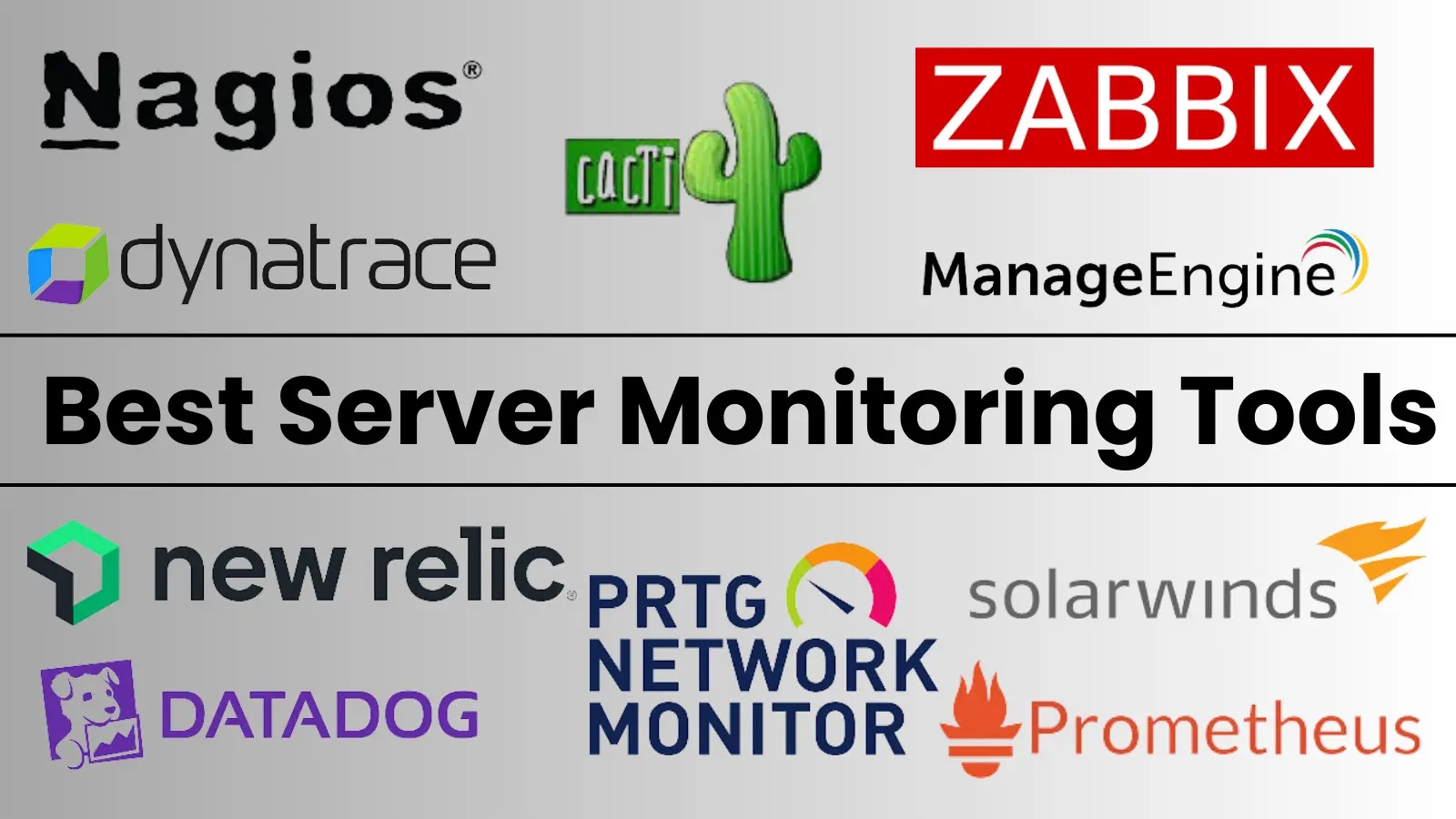
- Zabbix: Renowned for its unparalleled scalability and extensive customization options, Zabbix is a powerful open-source solution favored by large enterprises. It excels in monitoring virtually any network-enabled device or service, offering deep insights and flexible alerting mechanisms.
- Nagios: With a truly vast plugin ecosystem, Nagios provides an incredibly flexible framework for tailored monitoring setups. Its robust alerting and reporting capabilities have made it a long-standing favorite in the IT monitoring world, adaptable to diverse environments.
- LibreNMS: This open-source, PHP-based network monitoring system offers broad support for diverse hardware and operating system environments. It’s particularly strong in auto-discovery, allowing for quick deployment and comprehensive visibility into network devices and servers.
- Checkmk: Ideal for ultra-scalable deployments, Checkmk prides itself on ease of use and automated monitoring. It intelligently auto-discovers services and integrates monitoring into a single, intuitive interface, making it suitable for complex and dynamic infrastructures.
- Prometheus: A cloud-native, open-source monitoring system designed for reliability and scalability, Prometheus is widely adopted, especially in containerized and microservices environments. Its powerful query language (PromQL) and flexible data model make it highly adaptable.
- Grafana (often paired with Prometheus): While primarily a visualization and dashboarding tool, Grafana is indispensable for making sense of monitoring data. When integrated with data sources like Prometheus, it transforms raw metrics into compelling, easy-to-understand dashboards for real-time operational awareness.
- Datadog: A leading SaaS-based observability platform, Datadog offers comprehensive monitoring across servers, applications, networks, and logs. Its unified platform and AI-driven insights provide deep visibility and streamline incident response.
- New Relic: Specializing in application performance monitoring (APM), New Relic also delivers robust server monitoring capabilities. It provides a unified view of application and infrastructure performance, helping teams identify and resolve issues quickly.
- PRTG Network Monitor: Known for its comprehensive monitoring capabilities across networks, devices, and applications, PRTG offers a user-friendly interface and a wide array of sensors for various monitoring tasks, including server health.
- SolarWinds Server & Application Monitor (SAM): A powerful commercial solution, SAM provides deep visibility into server and application performance, offering agentless monitoring, intelligent alerting, and detailed reporting to optimize IT operations.
Remediation Actions: Securing Your Monitoring Infrastructure
While these tools are designed to secure your servers, their own security is paramount. A compromised monitoring system can provide an attacker with a goldmine of information about your infrastructure. Organizations must prioritize the security of their server monitoring tools through:
- Strong Authentication: Implement multi-factor authentication (MFA) for all access to monitoring platforms.
- Least Privilege Access: Ensure that monitoring agents and users only have the necessary permissions to perform their functions.
- Network Segmentation: Isolate monitoring infrastructure in a dedicated network segment, limiting its exposure to the broader network.
- Regular Patching: Keep all components of your monitoring system, including agents and servers, up-to-date with the latest security patches. For instance, any vulnerabilities related to web interfaces, such as CVE-2023-XXXXX (placeholder for example), must be addressed promptly.
- Log Monitoring of the Monitoring System: Paradoxically, monitor the logs of your monitoring system for unusual access patterns or configuration changes.
- Secure API Keys/Credentials: Protect any API keys or credentials used for integration with other systems in a secure vault.
Conclusion: The Unseen Guardians of Digital Infrastructure
The selection of the right server monitoring tools is a strategic decision that directly impacts an organization’s operational stability, security posture, and overall agility. The solutions highlighted above, from the open-source powerhouses like Zabbix and Nagios to the comprehensive SaaS offerings like Datadog, represent the cutting edge in maintaining healthy and resilient IT ecosystems. Investing in these tools is not just about preventing downtime; it’s about actively fortifying your digital infrastructure against unforeseen challenges and ensuring that your servers remain the unseen, yet steadfast, guardians of your enterprise.