Tycoon 2FA Phishing Kit Disrupted by Microsoft, Europol and Partners
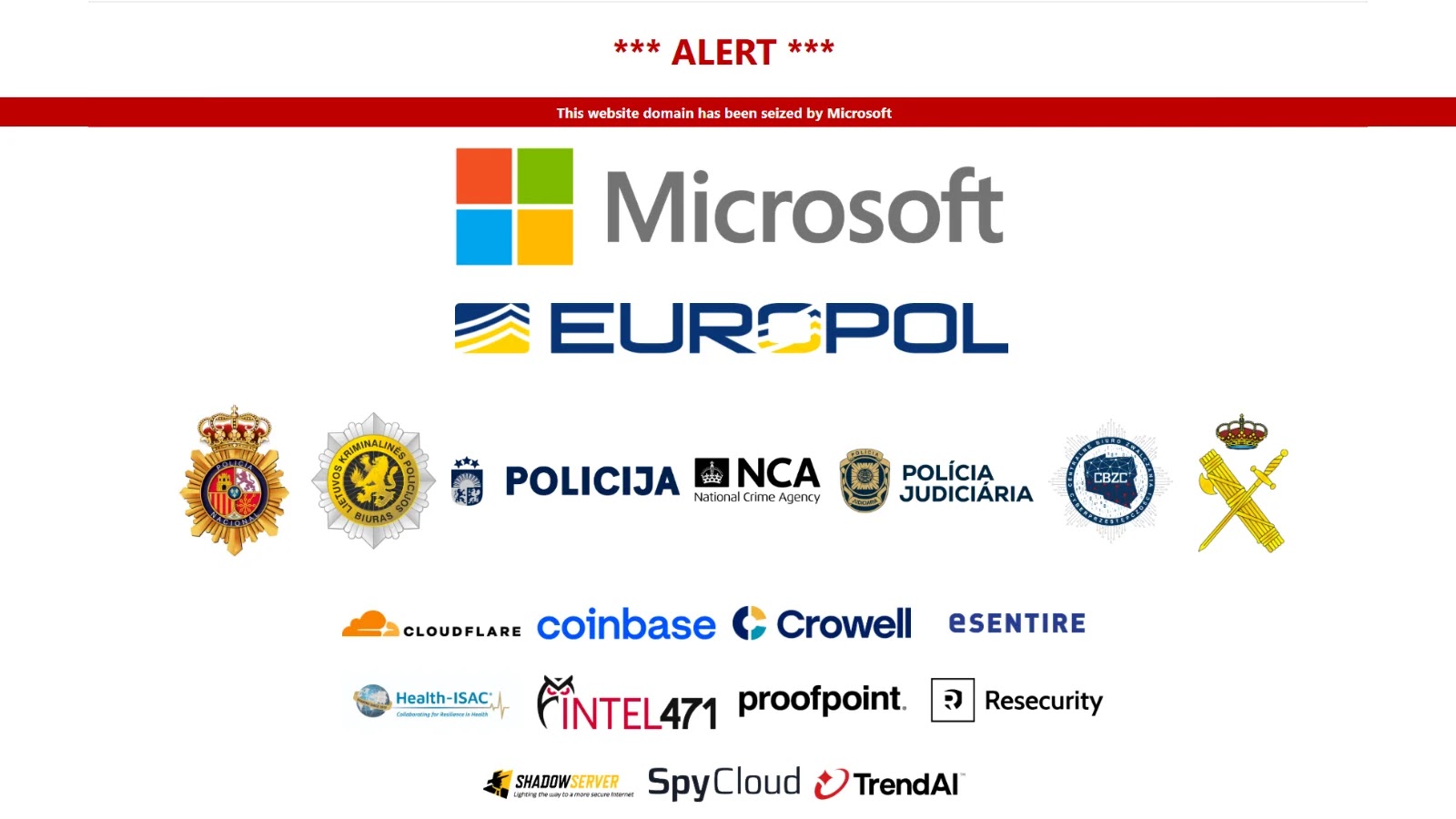
The digital battleground is constantly shifting, with threat actors continuously innovating their tactics. For cybersecurity professionals, staying ahead of these malicious advancements is paramount. A significant win for defenders recently unfolded as Microsoft, Europol, and a coalition of partners dismantled the Tycoon 2FA phishing-as-a-service (PhaaS) platform. This coordinated action has severely disrupted a sophisticated operation that powered tens of millions of phishing emails monthly, demonstrating the power of collaborative cybersecurity efforts.
Understanding the Tycoon 2FA Phishing Kit Disruption
The disruption of Tycoon 2FA marks a substantial blow against credential theft and multi-factor authentication (MFA) bypass techniques. Active since at least 2023, Tycoon 2FA offered cybercriminals a ready-made toolkit to launch highly effective phishing campaigns. The joint operation successfully seized 330 domains that were actively being used to facilitate these attacks, effectively severing the infrastructure supporting numerous malicious campaigns.
This initiative highlights the proactive measures being taken by leading cybersecurity organizations and law enforcement agencies to dismantle the infrastructure that fuels cybercrime. By targeting the “as-a-service” model, these actions have a ripple effect, impacting a broad spectrum of threat actors who relied on Tycoon 2FA for their nefarious operations.
The Mechanics of Tycoon 2FA: Adversary-in-the-Middle (AiTM) Techniques
Tycoon 2FA was particularly dangerous due to its reliance on Adversary-in-the-Middle (AiTM) phishing techniques. Unlike traditional phishing, which often relies on simply capturing static credentials, AiTM attacks are designed to circumvent MFA. Here’s how it generally works:
- The victim receives a phishing email directing them to a malicious website controlled by the attacker.
- This malicious website acts as a proxy, forwarding the victim’s login attempts to the legitimate service.
- When the legitimate service prompts for MFA, the phishing kit intercepts the session cookie or token generated after successful MFA completion.
- This stolen session information allows the attacker to bypass the MFA prompt and gain unauthorized access to the victim’s account, even if the victim successfully completed their MFA.
This method significantly elevates the threat level, as merely having MFA enabled no longer guarantees complete protection. Threat actors using Tycoon 2FA could effectively harvest credentials and gain persistent access to victim accounts, leading to data breaches, financial fraud, and further system compromise.
The Scale of the Threat: Millions of Phishing Emails
Prior to its takedown, Tycoon 2FA was responsible for generating tens of millions of phishing emails every month. This extraordinary volume underscores the widespread impact such services have and the vast number of potential victims exposed to these sophisticated attacks. The sheer scale demonstrates the industrialization of cybercrime and the need for equally scaled and coordinated defense strategies.
The disruption directly reduces the volume of these malicious emails, offering a tangible reduction in immediate threat exposure for organizations and individuals globally. It also sends a clear message to other PhaaS operators that their illicit activities will be pursued and dismantled.
Remediation Actions and Best Practices
While the Tycoon 2FA disruption is a significant victory, the underlying threat of AiTM phishing and credential theft remains. Organizations and individuals must continue to implement robust security practices. There is no specific CVE associated with the Tycoon 2FA kit itself, as it is a platform, but rather the techniques it employs are general. For more information on phishing and mitigation strategies, resources from CVE-2023-38831 provide insights into vulnerabilities that can be exploited in phishing scenarios, regarding an issue discovered in older PHP versions for command injection, which can be leveraged in broader attacks.
- User Education and Awareness: Continuously train employees on how to identify phishing attempts, including those that appear to mimic legitimate login pages. Emphasize vigilance for unusual URLs, unsolicited requests, and suspicious sender information.
- Enhanced MFA Solutions: While AiTM targets session tokens, migrating to stronger forms of MFA, such as FIDO2 security keys or certificate-based authentication, can significantly reduce the risk compared to OTPs or push notifications which are more susceptible to interception.
- Implement Conditional Access Policies: Require specific conditions (e.g., trusted device, geographic location, IP range) for accessing sensitive resources, even with MFA.
- Leverage Anti-Phishing Technologies: Deploy advanced email security gateways that include URL scanning, attachment sandboxing, and AI-driven threat detection to filter out sophisticated phishing emails before they reach user inboxes.
- Continuous Monitoring and Threat Detection: Implement Security Information and Event Management (SIEM) and Extended Detection and Response (XDR) solutions to monitor for anomalous login patterns, unusual IP addresses accessing accounts, and rapid session takeovers.
- Browser Security and Phishing Protections: Encourage the use of modern browsers with built-in phishing and malicious site protections.
The Future of Phishing-as-a-Service (PhaaS)
The takedown of Tycoon 2FA serves as a powerful reminder of the persistent and evolving threat landscape. While one PhaaS platform is dismantled, others may emerge. The key takeaway is the importance of international collaboration between law enforcement agencies, cybersecurity companies, and researchers. This unified front is essential to effectively combat the borderless nature of cybercrime.
Organizations must operate under the assumption that they will be targeted by sophisticated phishing attacks. Therefore, a multi-layered defense strategy, combining robust technical controls with comprehensive user education, remains the most effective approach to protect against evolving threats like AiTM phishing.
Conclusion
The disruption of the Tycoon 2FA phishing kit by Microsoft, Europol, and their partners is a significant victory in the ongoing fight against cybercrime. By dismantling the infrastructure of a service responsible for millions of malicious emails and MFA bypasses, this operation has made the digital environment safer for countless users and organizations. This event underscores the critical importance of proactive, collaborative cybersecurity efforts and the need for continuous vigilance and adaptation in our defense strategies against sophisticated threat actors.