Ubisoft Rainbow Six Siege Servers Breach linked to MongoBleed Vulnerability
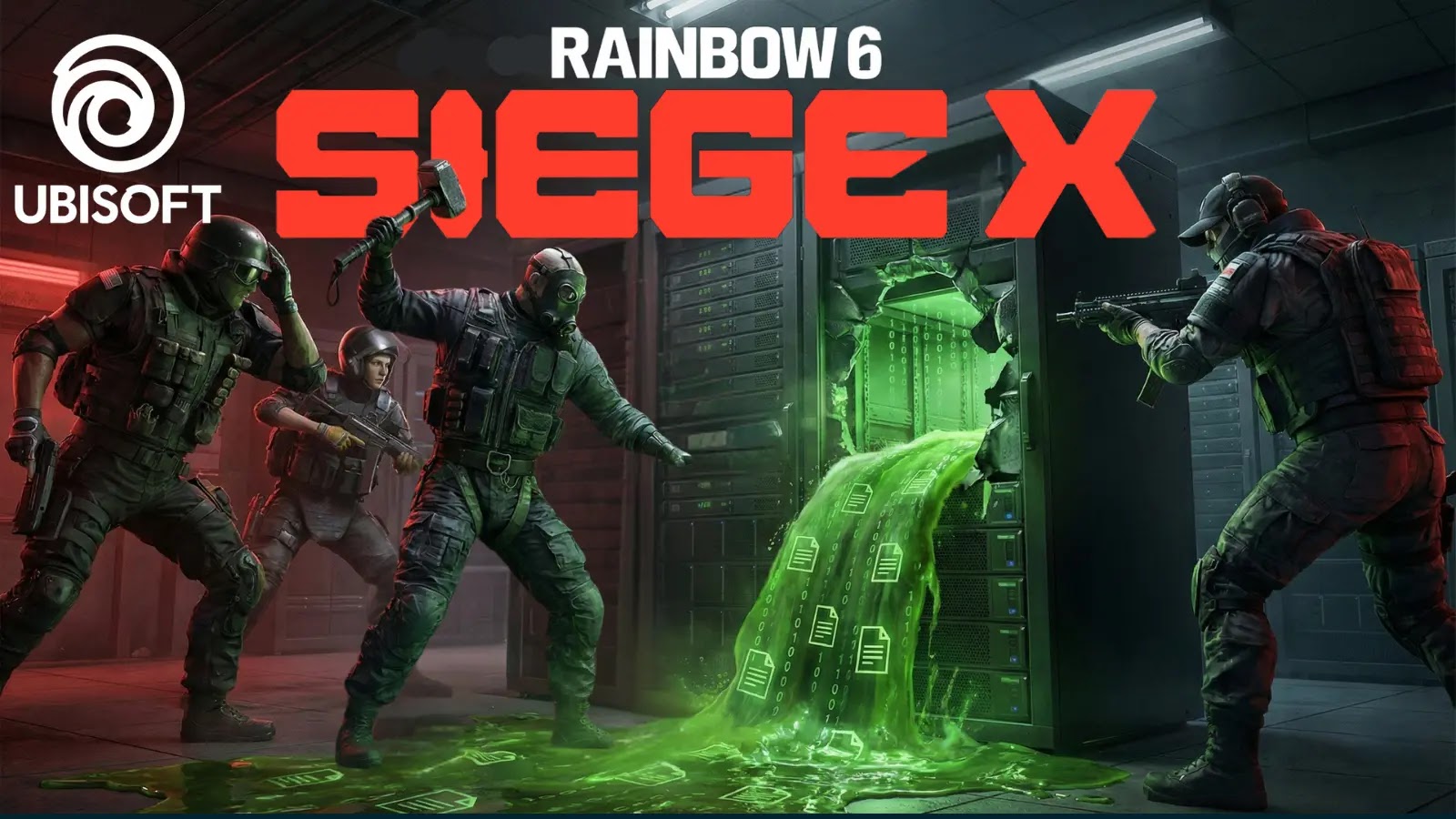
The digital battleground of gaming is rarely free from real-world cybersecurity threats. Today, the integrity of Ubisoft’s Rainbow Six Siege servers was compromised, sending ripples of concern throughout the gaming community and cybersecurity professionals alike. This incident, reportedly linked to the insidious MongoBleed vulnerability, extends beyond typical in-game disruptions, manifesting as a chaotic upheaval involving unauthorized in-game currency distribution, arbitrary player bans, and provocative messages broadcast directly through administrative channels. Such an attack highlights the critical need for robust security measures, particularly in complex, high-traffic online environments.
The Rainbow Six Siege Server Breach: A Disruptive Onslaught
Beginning early today, Rainbow Six Siege players reported widespread anomalies originating from what appears to be a sophisticated server breach. The attackers, a group previously unrecognized for such overt actions, initiated a highly visible and disruptive takeover. This wasn’t merely a data exfiltration event; it was a hostile occupation, marked by:
- Massive Influx of In-Game Currency: Players observed an unsolicited and significant increase in their R6 Credits, a premium in-game currency, disrupting the game’s economic balance.
- Unwarranted Player Bans: Accounts were arbitrarily banned, causing widespread frustration and undermining player trust.
- Taunting Messages: The attackers directly leveraged administrative feeds to broadcast taunting messages, demonstrating a deep level of access and control.
These actions indicate a breach that moved beyond passive reconnaissance, demonstrating direct manipulation of core game functionalities and administrative privileges. The sheer visibility and disruption make this a significant event for Ubisoft and the wider gaming industry, serving as a stark reminder of the potential impact of server-side vulnerabilities.
Understanding the MongoBleed Vulnerability
The alleged vector for this attack is the MongoBleed vulnerability, a critical flaw within MongoDB database systems. While the specific CVE associated with “MongoBleed” for this particular incident isn’t explicitly stated in the source, it typically refers to a class of vulnerabilities that exploit weaknesses in MongoDB configurations or its underlying architecture to achieve unauthorized access or data manipulation. Previous MongoDB-related vulnerabilities, such as CVE-2016-6494 (Privilege Escalation) or misconfigurations leading to open database access, have been extensively documented. Such vulnerabilities can allow attackers to:
- Execute Arbitrary Code: Gaining control over the database system itself.
- Manipulate Data: Altering, deleting, or injecting data into the database, which could explain the in-game currency changes and unwarranted bans.
- Escalate Privileges: Moving laterally within the network by leveraging database access to compromise other systems.
A successful exploitation of a vulnerability like MongoBleed could grant attackers the profound administrative access observed in the Rainbow Six Siege incident, enabling them to directly interact with and control game server elements.
Ramifications of the Breach for Ubisoft and Players
The immediate and long-term consequences of this breach are substantial:
- Reputational Damage: Ubisoft’s image within the gaming community could suffer, impacting player loyalty and investor confidence.
- Financial Impact: Remediation efforts, potential legal costs, and a decline in player spending could lead to significant financial losses.
- Player Trust Erosion: The arbitrary bans and taunting messages directly undermine the trust players place in the game’s security and fair play.
- Security Review Imperative: This incident necessitates a comprehensive overhaul and review of Ubisoft’s security infrastructure, particularly their database management and server-side configurations.
For players, the impact ranges from direct account disruption to a pervasive sense of insecurity about their in-game assets and personal data linked to their accounts.
Remediation Actions for MongoDB Environments
Organizations utilizing MongoDB, especially those managing sensitive data or critical online services, must prioritize robust security practices to mitigate the risk of vulnerabilities like MongoBleed. The following actions are critical:
- Regular Patching and Updates: Ensure all MongoDB installations are updated to the latest stable versions. Developers frequently release patches for known vulnerabilities.
- Strict Access Control: Implement the principle of least privilege. Restrict database access only to necessary users and applications. Utilize strong authentication mechanisms, including two-factor authentication (2FA) where possible.
- Network Segmentation and Firewalls: Isolate MongoDB instances within a segmented network. Configure firewalls to restrict inbound connections to only trusted IP addresses and ports.
- Encryption: Encrypt data at rest and in transit. MongoDB offers robust encryption features that should be fully leveraged.
- Secure Configuration: Review and harden default configurations. Disable unnecessary services and ports. Avoid running MongoDB as a root user.
- Auditing and Logging: Enable comprehensive auditing and logging to track database activity. Regularly review logs for suspicious patterns or unauthorized access attempts.
- Vulnerability Scanning and Penetration Testing: Conduct regular vulnerability scans and penetration tests on MongoDB deployments and connected applications to identify and address weaknesses proactively.
Tools for MongoDB Security and Monitoring
Leveraging specialized tools can significantly enhance the security posture of MongoDB environments:
| Tool Name | Purpose | Link |
|---|---|---|
| MongoDB Enterprise Advanced | Comprehensive security features including encryption, auditing, and advanced access controls. | https://www.mongodb.com/products/enterprise-advanced |
| Tenable Nessus | Vulnerability scanning for MongoDB deployments and other network assets. | https://www.tenable.com/products/nessus |
| Aqua Security (Trivy) | Container and Kubernetes security, including vulnerability scanning for images that might include MongoDB. | https://www.aquasec.com/products/trivy/ |
| Splunk | Security Information and Event Management (SIEM) for aggregating and analyzing MongoDB logs for anomalies. | https://www.splunk.com/en_us/software/splunk-enterprise.html |
Conclusion: The Ongoing Battle for Digital Integrity
The Rainbow Six Siege incident underscores the persistent and evolving threat landscape facing online services. The suspected exploitation of a vulnerability like MongoBleed highlights that even robust platforms are susceptible if security practices falter or sophisticated attack vectors are not adequately addressed. This event serves as a critical case study, emphasizing the necessity for continuous security vigilance, proactive vulnerability management, and rapid incident response. For organizations and users alike, understanding these threats and implementing best practices is paramount to safeguarding digital environments against increasingly audacious cyberattacks.