US Accounts for 44% of Cyber Attacks; Financial Gain Targets Public Administration
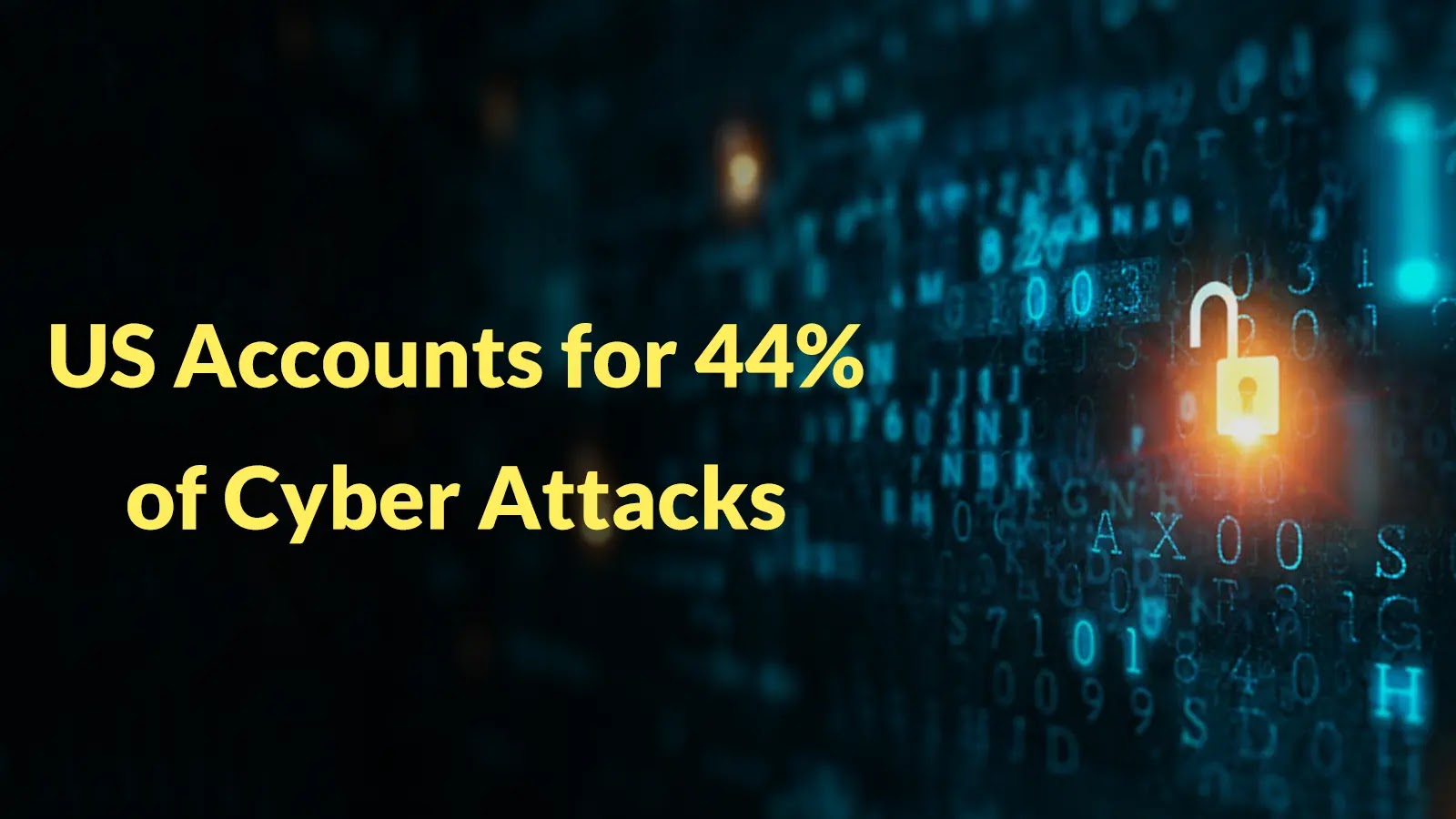
The digital battlefield is shifting, and the United States finds itself at the epicenter of cyber warfare. Recent alarming statistics reveal that the US accounts for a staggering 44% of all documented cyber attacks globally between 2024 and 2025. This isn’t just a number; it’s a stark indicator of persistent and escalating threats targeting critical infrastructure and sensitive public data. The focus on financial gain, particularly against public administration, signals a concerning trend that demands immediate and strategic attention from cybersecurity professionals and policymakers alike.
The Alarming Rise of US-Targeted Cyber Attacks
Data from the Cyber Events Database paints a grim picture: 646 reported incidents in the US during the 2024-2025 period comprise nearly half of all tracked worldwide attacks. This unprecedented concentration of cyber hostility underscores the unique challenges faced by US organizations, both public and private. While the specific methodologies of these attacks vary, the overarching goal frequently centers on financial exploitation, often through sophisticated ransomware campaigns or data exfiltration schemes.
Financial Gain: The Primary Motivator
The report highlights that financial gain remains the dominant motivation behind this surge in cyber attacks. Adversaries, ranging from sophisticated state-sponsored groups to opportunistic cybercriminals, are increasingly leveraging vulnerabilities to extort funds, steal valuable intellectual property, or disrupt critical services for monetary profit. This shift from purely disruptive attacks to financially motivated ones presents a complex challenge, as illicit gains often fuel further malicious activities and strengthen criminal enterprises.
Public Administration Under Siege
A particularly concerning aspect of this trend is the direct targeting of public administration entities. Government agencies, responsible for managing vast amounts of sensitive citizen data and critical infrastructure, represent high-value targets for threat actors seeking financial gain. Successful breaches in this sector can lead to:
- Compromise of citizen data: Leading to identity theft, fraud, and erosion of public trust.
- Disruption of essential services: Impacting everything from healthcare to transportation and emergency response.
- Financial losses: Due to ransom payments, remediation costs, and long-term operational disruptions.
- National security implications: When critical government functions are impaired.
Remediation Actions for Public Administration
Protecting public administration from these relentless attacks requires a multi-faceted and proactive approach. Here are key remediation actions:
- Robust Vulnerability Management: Regularly scan for and patch known vulnerabilities, especially those frequently exploited in financially motivated attacks. For example, organizations should be vigilant about mitigating vulnerabilities like CVE-2023-38831 (Apache ActiveMQ Remote Code Execution Vulnerability), which can be leveraged for initial access in ransomware deployments.
- Enhanced Access Control: Implement strict password policies, multi-factor authentication (MFA) for all critical systems, and the principle of least privilege to limit potential damage from compromised credentials.
- Employee Awareness Training: Educate employees on phishing, social engineering tactics, and the importance of reporting suspicious activities. A significant percentage of breaches originate from human error or deception.
- Incident Response Planning: Develop and regularly test a comprehensive incident response plan. This includes procedures for detection, containment, eradication, recovery, and post-incident analysis.
- Data Backup and Recovery: Implement immutable backups of critical data, isolated from the production network, to ensure business continuity in the event of a ransomware attack or data loss.
- Network Segmentation: Segment networks to limit the lateral movement of attackers if a breach occurs. Isolate critical systems and sensitive data from less secure areas.
- Threat Intelligence Integration: Subscribe to and actively utilize threat intelligence feeds to stay informed about emerging threats, TTPs (Tactics, Techniques, and Procedures), and indicators of compromise (IoCs) relevant to the public administration sector.
Conclusion
The US government and related public administration entities are under continuous, severe cyber threat, with a substantial portion driven by financial motivations. The statistics underscore an urgent need for advanced cybersecurity postures, continuous vigilance, and collaborative efforts across all levels of government and industry. Proactive remediation, informed by current threat intelligence and a deep understanding of attacker motivations, is paramount to safeguarding sensitive data, maintaining critical services, and preserving national security.