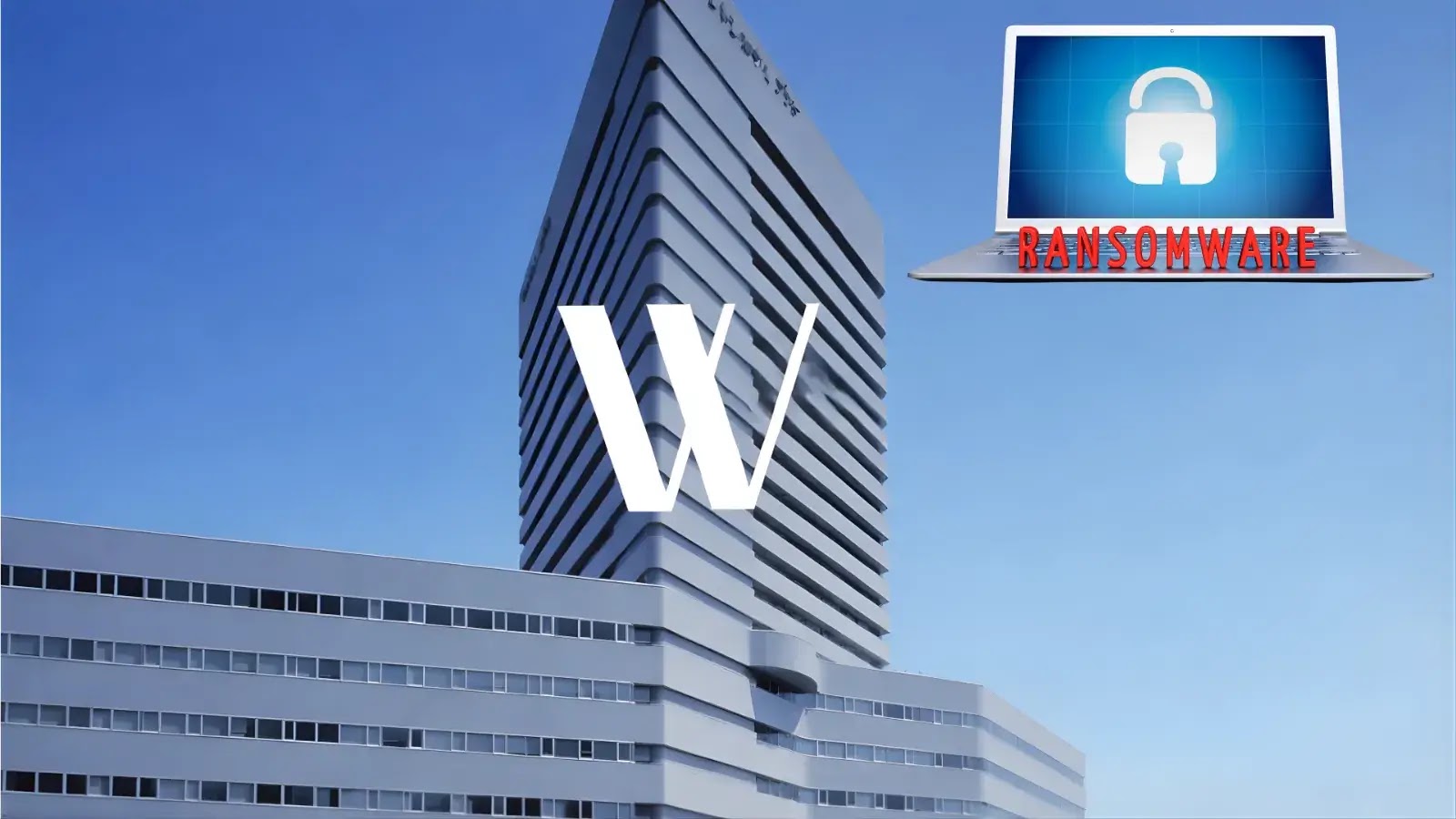
Washington Hotel Located in Japan Suffers Ransomware Attack
Ransomware Strikes Washington Hotel in Japan: An In-Depth Analysis
In an increasingly interconnected world, the hospitality industry, a cornerstone of global travel and tourism, finds itself a frequent target for cybercriminals. The recent ransomware attack on a Washington Hotel in Japan serves as a stark reminder that no organization, regardless of its industry or location, is immune to sophisticated cyber threats. This incident highlights the critical need for robust cybersecurity measures and prompt incident response protocols.
Incident Details: Unpacking the Washington Hotel Ransomware Attack
According to an official statement from the Washington Hotel Corporation, the ransomware attack was first detected internally around 10:00 PM on Friday, February 13, 2026. Unauthorized access to several of the hotel’s servers compromised their integrity, subsequently disrupting portions of their internal network. While the full extent of the impact is still under investigation, the primary concern revolves around potential data exposure. Such an event can lead to severe reputational damage, significant financial penalties due to regulatory non-compliance, and a loss of customer trust.
The Evolving Threat Landscape: Ransomware’s Impact on Hospitality
The hospitality sector is particularly vulnerable to ransomware due to its reliance on interconnected systems for reservations, guest services, payment processing, and operational management. A successful ransomware attack can cripple these essential services, leading to widespread disruption and significant financial losses. Beyond direct operational impact, the potential compromise of sensitive guest data, including personal identifiable information (PII) and payment card details, poses a substantial risk. While specific details of the exploit used in the Washington Hotel attack are not yet public, common vectors include phishing campaigns, unpatched software vulnerabilities, and exploited remote desktop protocol (RDP) instances.
Potential Data Exposure and Regulatory Implications
The ongoing investigation into potential data exposure is a critical phase of the Washington Hotel incident. Depending on the nature of the compromised data, the hotel could face stringent regulatory scrutiny. For instance, if guest PII or payment card information was exfiltrated, they would need to comply with data breach notification laws and potentially face fines under regulations like Japan’s Act on the Protection of Personal Information or, if international guests’ data is involved, GDPR. Proactive measures, such as data encryption at rest and in transit, and stringent access controls, are indispensable for mitigating such risks.
Remediation Actions for Ransomware Resilience
Organizations, especially those in the hospitality sector, must proactively strengthen their cybersecurity posture to withstand ransomware attacks. The following actionable advice is crucial:
- Implement Robust Backup and Recovery Strategies: Regularly back up all critical data to isolated, off-site locations. Test recovery procedures frequently to ensure data can be restored efficiently following an attack.
- Patch Management and Vulnerability Scanning: Maintain a rigorous patching schedule for all operating systems, applications, and network devices. Regularly conduct vulnerability scans to identify and address weaknesses before they can be exploited. Consider tools like Nessus or OpenVAS for comprehensive scanning.
- Endpoint Detection and Response (EDR): Deploy EDR solutions across all endpoints to detect and respond to suspicious activities in real-time, preventing ransomware from encrypting critical files.
- Network Segmentation: Segment networks to restrict the lateral movement of ransomware. Isolate critical systems and guest networks from administrative and operational networks.
- Security Awareness Training: Educate all employees about common cyber threats, including phishing, social engineering, and the importance of strong password hygiene. Human error remains a significant factor in successful breaches.
- Multi-Factor Authentication (MFA): Implement MFA for all remote access and critical internal systems to add an extra layer of security against unauthorized access.
- Incident Response Plan: Develop and regularly test a comprehensive incident response plan. This plan should clearly outline roles, responsibilities, communication strategies, and technical steps to contain, eradicate, and recover from an attack.
Tools for Ransomware Defense and Detection
| Tool Name | Purpose | Link |
|---|---|---|
| Nessus Professional | Vulnerability Scanning and Assessment | https://www.tenable.com/products/nessus/nessus-professional |
| CrowdStrike Falcon Insight | Endpoint Detection and Response (EDR) | https://www.crowdstrike.com/products/endpoint-security/falcon-insight-xdr/ |
| Veeam Backup & Replication | Data Backup and Recovery | https://www.veeam.com/ |
| WIREGUARD | Secure VPN for Network Segmentation | https://www.wireguard.com/ |
| KnowBe4 Security Awareness Training | Employee Security Awareness Training | https://www.knowbe4.com/ |
Concluding Thoughts: A Call for Proactive Cybersecurity
The ransomware attack against the Washington Hotel in Japan serves as a stark warning to organizations worldwide. While the immediate focus is on investigation and recovery, the incident underscores the imperative for proactive and robust cybersecurity strategies. Investing in advanced security technologies, fostering a security-aware culture, and meticulously planning for incident response are no longer optional but essential for business continuity and safeguarding stakeholder trust. The digital resilience of an organization directly correlates with its ability to navigate the complex and hostile cyber landscape.