
Cloud Security: Risks and Mitigation Strategies.
Cloud Security Risk: Mitigation Strategies for Cloud Computing
In today’s digital age, cloud computing has become an indispensable part of modern business. As organizations increasingly use cloud services to enhance efficiency and scalability, the importance of cloud security cannot be overstated. This article aims to explore the landscape of cloud security risk, offering insights into common security threats and effective Mitigation strategies are essential for addressing risks and how to mitigate them effectively. for ensuring data protection and operational resilience in the cloud environment. Understanding and addressing these challenges is crucial for maintaining a strong security posture in the age of cloud technologies.
Understanding Cloud Security Risks
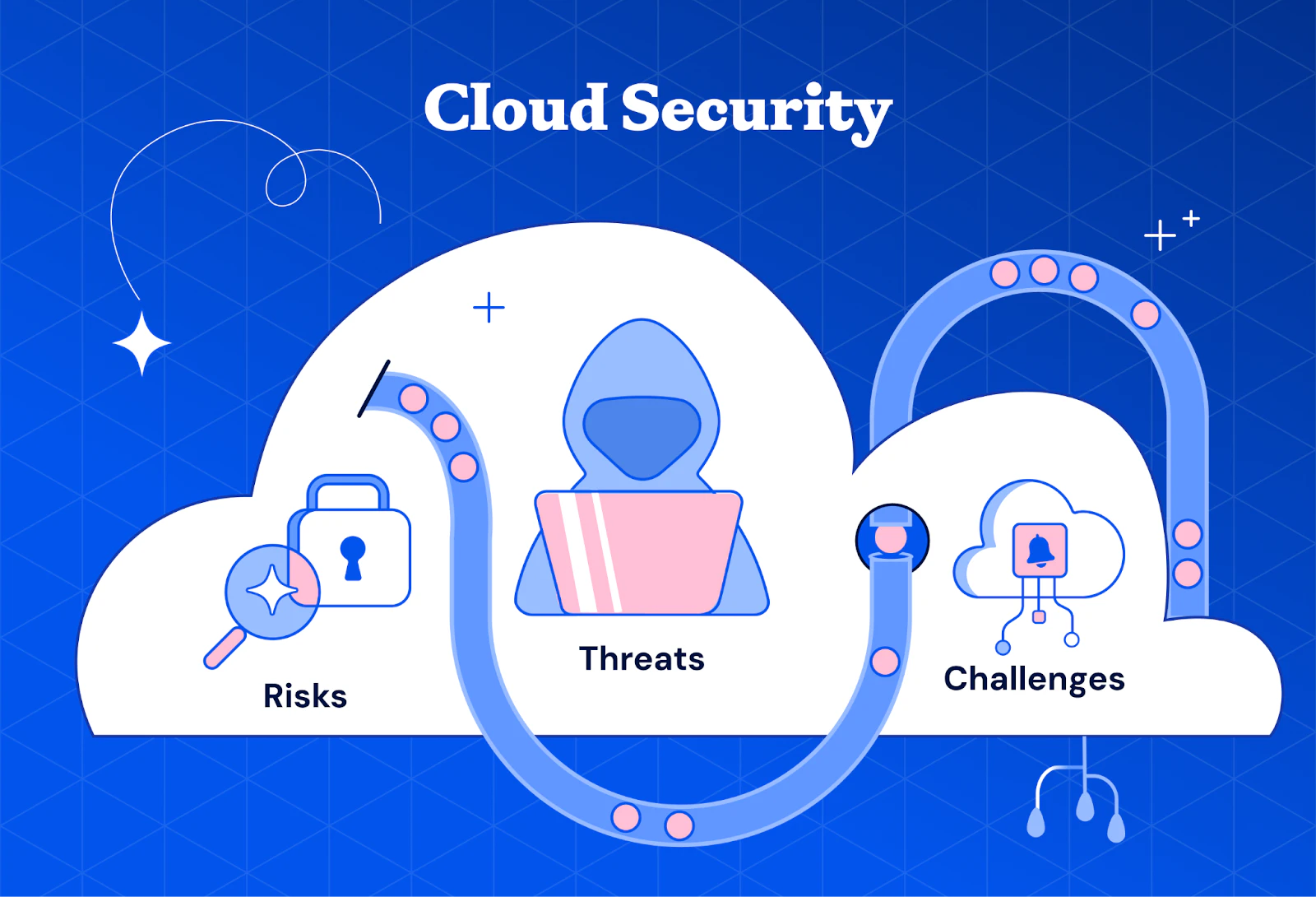
Navigating the complexities of cloud computing security requires a deep understanding of the various risks involved. From data breaches to insider threats, organizations must be vigilant in identifying and addressing potential vulnerabilities. By implementing robust security policies tailored to address risks of cloud and security measures, businesses can protect their cloud data stored on secure cloud servers and cloud resources from unauthorized access and malicious activities. A proactive approach to risk management is essential for mitigating cloud risk and ensuring the confidentiality, integrity, and availability of data in the cloud.
Definition of Cloud Security
Cloud security encompasses the policies, technologies, security controls, and security strategies implemented to protect cloud infrastructure, cloud applications, and cloud data. It is a shared responsibility model, where the cloud provider is responsible for the security of the cloud environment itself, while the customer is responsible for securing what they put into the cloud. Effective cloud security involves a comprehensive approach that includes risk assessment, security policies, identity and access management, data security, and incident response. Properly implemented security solutions are necessary to protect sensitive data and maintain a strong security posture.
Common Cloud Security Threats
Organizations adopting cloud computing face numerous cloud security threats. These threats can manifest in several ways, including potential threats to cloud platforms:
- Data breaches
- Cyber threats
- Insider threats, along with external attacks
Security breaches often occur due to misconfigured cloud storage, weak identity and access management practices, or security vulnerabilities in cloud applications. The complexity of hybrid cloud and public cloud environments can further exacerbate these risks. Effective risk management requires continuous monitoring, proactive threat detection, and robust incident response plans to mitigate risks and safeguard cloud resources.
Vulnerabilities in Cloud Environments
Vulnerabilities in cloud environments can stem from various sources, including software flaws, misconfigurations, and inadequate security policies. Inadequate patching, weak security protocols, and insufficient security controls can all create openings for attackers to exploit. Furthermore, the dynamic nature of information security demands constant adaptation to common threats. cloud technologies Requires continuous monitoring and adaptation of security measures to address top cloud threats. security measures to address emerging security issues. Regular risk assessment, penetration testing, and vulnerability scanning are essential for identifying and remediating security vulnerabilities before they can be exploited, thereby enhancing the overall cloud computing security.
Risk Assessment in Cloud Computing

Identifying Security Risks
Identifying security risks in cloud computing is the foundational step toward establishing a robust security posture. This process involves a thorough risk assessment of the entire cloud environment to uncover potential security vulnerabilities and security threats. Organizations must consider various factors, including the type of cloud access they utilize. cloud service being used, the sensitivity of cloud data stored, and the security policies Enforced by the cloud provider’s security policies, these measures help protect sensitive data. cloud provider. By proactively identifying these cloud security risks, security teams can develop effective mitigation strategies and allocate cloud resources to safeguard against potential data breaches and cyber threats.
Evaluating Vulnerability Impact
Evaluating the impact of security incidents on cloud platforms vulnerabilities is crucial for prioritizing mitigation strategies effectively. This involves assessing the potential damage that a successful exploit of a security vulnerability could inflict on the organization. Factors to consider include the confidentiality, integrity, and availability of sensitive data, as well as the potential financial, reputational, and operational consequences. Understanding the potential impact of each security risk enables security teams to allocate security resources to the most critical areas, ensuring that the most significant security threats are addressed promptly and effectively. Proper evaluation guides the implementation of appropriate security measures to ensure cloud integrity. security measures to mitigate risks.
Risk Management Frameworks
Implementing robust risk management frameworks is essential for maintaining a strong cloud security posture. Frameworks such as NIST Cybersecurity Framework and ISO 27001 provide guidelines and insights into cloud security best practices. security best practices for cyber security for managing cloud security risk effectively. These frameworks help organizations establish security policies, implement security controls, and continuously monitor their cloud environment for security issues. By adopting these frameworks, organizations can ensure that their cloud computing security practices align with industry standards, and that they are well-prepared to address emerging cyber threats and security breaches. Using a well-defined security strategy helps ensure the cloud usage remains safe. Risk management Also helps to manage risks and how to mitigate them effectively in cloud infrastructures. security challenges.
Mitigation Strategies for Cloud Security Risks
Best Practices for Mitigating Risks
Implementing best practices is paramount in fortifying cloud security and mitigating security risks effectively. Organizations must establish clear security policies, enforce robust security protocols, and conduct regular security assessments to identify and address potential risks of cloud security vulnerabilities. Cloud service providers often offer a range of security tools and security controls that can be leveraged to enhance the cloud security posture management security posture of the cloud environment. Furthermore, continuous monitoring, proactive threat detection, and incident response planning are essential for ensuring that security issues are addressed promptly and effectively. Following security best practices will mitigate cloud security risk, reducing the chance of a data breach.
Security Solutions for Cloud Environments
Security solutions for cloud environments are diverse and essential for protecting cloud data and cloud applications. Teamwin Global Technologica provides a comprehensive suite of IT security solutions, including advanced security firewalls Like FortiGate, Sophos, and Checkpoint, which act as the first line of defense against common threats in cloud environments. cyber threats. Robust endpoint security measures such as SentinelOne and Crowdstrike are offered to protect individual devices. Additionally, Privileged Access Management (PAM) forms part of their security offerings, ensuring that access to sensitive data is tightly controlled. Teamwin Global Technologica also provides enterprise CCTV and insights into cloud security solutions. biometric systems And proactive threat management services, offering insights into cloud vulnerabilities, are increasingly important. cloud security and regulatory assurance, ensuring a holistic approach to cloud security. These security measures mitigate risks across the cloud environment.
Implementing Identity and Access Management
Implementing robust identity and access management (IAM) is crucial for controlling access to cloud resources and preventing unauthorized access. This involves implementing strong authentication mechanisms, such as multi-factor authentication, and enforcing the principle of least privilege, which ensures that users only have access to the cloud data and cloud applications they need to perform their job duties. IAM also includes implementing role-based access control (RBAC), which simplifies the management of user permissions and ensures that security policies are consistently enforced. Effective IAM practices are essential for Mitigating risks associated with unauthorized cloud access is crucial for organizations. associated with insider threats and external attacks on cloud systems, thereby enhancing the overall cloud security posture management cloud computing security. With strong IAM, the cloud usage is secured.
Addressing Cloud Security Challenges
Common Security Issues in the Public Cloud
One of the most significant cloud security challenges arises from the shared responsibility model in cloud computing. While the cloud provider is responsible for the security of the cloud infrastructure, the customer is responsible for securing what they put into the cloud environment. Misconfigurations in cloud storage, weak identity and access management, and unpatched security vulnerabilities are common security issues that can lead to data breaches and other traditional security measures security breaches. Organizations must understand these shared responsibilities and implement robust cloud security policies security measures to mitigate risks effectively, ensuring the confidentiality and integrity of cloud data.
Enhancing Security Posture
Enhancing security posture requires a multi-faceted approach to ensure cloud protection. that includes implementing security best practices, leveraging security tools, and continuously monitoring the cloud environment. Organizations should establish clear security policies, enforce strong authentication mechanisms, and implement security controls to prevent unauthorized access to cloud resources. Regular risk assessment, penetration testing, and vulnerability scanning are essential for identifying and remediating security vulnerabilities. By proactively addressing potential security vulnerabilities, organizations can strengthen their security posture and reduce the likelihood of data breaches and other cyber threats, ensuring the cloud usage is as safe as possible.
Security Monitoring and Incident Response
Effective security monitoring and incident response are critical components of a strong cloud security strategy. Organizations must implement continuous monitoring solutions to detect and respond to security issues in real-time. This includes monitoring cloud infrastructure, cloud applications, and cloud data for suspicious activity and security breaches. Proactive threat management includes vigilant monitoring and swift response strategies. Security teams should develop and regularly test incident response plans to ensure that they are prepared to respond quickly and effectively to security incidents related to cloud security issues. TeamWin offers 24/7 support and monitoring to help organizations maintain a strong security posture. Implementing proactive security strategies will mitigate risks within the cloud environment.
Future Trends in Cloud Security

Emerging Security Threats
The landscape of cloud security threats is constantly evolving, with new cyber threats and attack vectors emerging regularly. As organizations increasingly use cloud technologies, attackers are developing more sophisticated methods to exploit security vulnerabilities and gain unauthorized access to cloud resources. Emerging security threats include advanced persistent threats (APTs), ransomware attacks, and supply chain attacks. Organizations must stay ahead of these potential threats security challenges by continuously monitoring the threat landscape and adapting their security strategies accordingly. Furthermore, new regulations and compliance requirements also add complexity to cloud security.
The Role of AI in Mitigating Risks
Artificial intelligence (AI) is playing an increasingly important role in mitigating risks and enhancing cloud computing security. AI-powered security tools can automate threat detection, vulnerability scanning, and incident response, enabling security teams to respond more quickly and effectively to security issues. AI can also be used to analyze large volumes of security data to identify patterns and anomalies that may indicate a security breach. TeamWin offers enterprise AI-driven next-generation security firewalls, providing advanced threat protection. By leveraging AI, organizations can improve their security posture and reduce the likelihood of data breaches and other cyber threats.
Preparing for Evolving Security Challenges
Preparing for evolving security challenges requires a proactive and adaptive approach to cloud security. Organizations must invest in cloud security posture management continuous training and education to ensure that their security teams have the skills and knowledge necessary to address emerging security threats. They must also adopt a risk management framework that allows them to continuously assess and mitigate potential security vulnerabilities. Collaboration and information sharing with other organizations and cloud providers are also essential for staying ahead of the threat landscape. By continuously adapting their security strategies, organizations can ensure that they are well-prepared to address the evolving security challenges of cloud computing and to protect their sensitive data within the cloud environment.
5 Surprising Facts about Cloud Security Risks and Mitigation Strategies
- Fact 1: Over 90% of organizations using cloud services have experienced at least one cloud security incident, highlighting the prevalence of risks.
- Fact 2: Misconfigured cloud storage is one of the leading causes of data breaches, often due to human error in settings.
- Fact 3: More than 70% of cloud security incidents are attributed to insider threats, underscoring the importance of access controls.
- Fact 4: The shared responsibility model means that while cloud providers secure the infrastructure, customers must manage security for their applications and data.
- Fact 5: Implementing multi-factor authentication can reduce the risk of unauthorized access by up to 99.9%, making it a crucial mitigation strategy.

What are the common cloud security risks associated with cloud computing?
Common cloud security risks include data breaches, unauthorized access to cloud accounts, insecure APIs, and data loss. These risks can compromise sensitive data stored in the cloud and affect the overall security posture of organizations. Understanding these risks is crucial for implementing effective risk management strategies.
How can organizations mitigate cloud security threats?
Organizations can mitigate cloud security threats by adopting best practices such as implementing strong identity and access management protocols, conducting regular risk assessments, and utilizing encryption for sensitive data in the cloud. Additionally, organizations should ensure that they have robust security tools in place to detect and respond to threats.
What are the best practices for managing cloud security?
Best practices for managing cloud security include understanding the shared security responsibilities between the organization and the cloud provider, regularly updating security protocols, and training employees on cloud security measures. Organizations should also monitor their cloud assets and regularly review their security posture.
What are the security challenges in a public cloud environment?
Security challenges in a public cloud environment include data privacy issues, compliance with regulations, and the risk of data breaches due to multi-tenancy. Organizations must address these challenges by implementing comprehensive security solutions tailored to their specific cloud usage and requirements.
How do security vulnerabilities affect cloud computing?
Security vulnerabilities can expose cloud environments to various threats, including data breaches and unauthorized access. To mitigate the risks associated with these vulnerabilities, organizations should employ proactive measures such as regular security audits, vulnerability assessments, and continuous monitoring of their cloud infrastructure.
What is the importance of risk assessment in cloud security?
Risk assessment is crucial in cloud security as it helps organizations identify and mitigate potential security risks. By evaluating the risks of cloud computing, organizations can prioritize their security initiatives and allocate resources effectively to protect sensitive data stored in the cloud.
How can organizations ensure the security of sensitive data in the cloud?
Organizations can ensure the security of sensitive data in the cloud by employing encryption, access controls, and continuous monitoring. Additionally, implementing security best practices and regularly updating security measures can help mitigate the risks of data breaches and unauthorized access.
What security solutions are effective for managing cloud security risks?
Effective security solutions for managing cloud security risks include cloud security posture management tools, identity and access management systems, and data loss prevention technologies. These tools help organizations detect and respond to threats while ensuring compliance with industry regulations and standards.
How can organizations respond to threats in a cloud environment?
Organizations can respond to threats in a cloud environment by developing incident response plans, utilizing security monitoring tools, and conducting regular training for staff. By being prepared to detect and respond to threats quickly, organizations can minimize the impact of security incidents on their cloud assets.