AI Supply Chain security lessons from recent Vulnerabilities: Exploits & Cyber Risks.
AI Supply Chain Vulnerabilities: Exploits & Cyber Risks
In the rapidly evolving landscape of artificial intelligence (AI), understanding the vulnerabilities within AI supply chains has become increasingly crucial. As businesses worldwide integrate large language models to enhance operations and drive innovation, the need for robust security measures is paramount. At Teamwin Global Technologica, we recognize the paramount importance of safeguarding your enterprise. Our focus is on ensuring that your AI systems are secure, safe, and resilient against potential threats. This article delves into the intricacies of AI supply chain vulnerabilities, offering insights into potential exploits and cyber risks that could compromise your organization’s integrity.
Understanding Supply Chain Vulnerabilities

Supply chain vulnerabilities are inherent weaknesses within the AI supply chain that attackers can exploit, posing significant security risks to organizations. These vulnerabilities often stem from the complex network of third-party components and services involved in AI development and deployment. In an AI system, the supply chain encompasses everything from the initial sourcing of training data and software tools to the final deployment of AI models. Understanding these vulnerabilities is crucial for improving supply chain security and ensuring that AI systems operate securely and efficiently. At Teamwin Global Technologica, we are dedicated to fortifying your business against potential threats by leveraging comprehensive cyber security controls and practices.
Defining Supply Chain Vulnerabilities
Supply chain vulnerabilities in AI systems refer to any weaknesses that could be exploited by malicious actors to gain unauthorized access or disrupt operations. These vulnerabilities are often introduced through various stages of the AI supply chain, including the procurement of software and hardware, integration of third-party APIs, and the use of open-source repositories such as Hugging Face. Attackers may exploit these vulnerabilities by injecting malicious code or conducting data poisoning during the training phase. By understanding and addressing these vulnerabilities, organizations can enhance their overall cyber security posture and protect their sensitive data from potential breaches.
The Role of AI in Supply Chains
AI plays a pivotal role in modern supply chains, offering unprecedented efficiencies and insights. AI models analyze vast datasets, optimize logistics, and predict demand, revolutionizing supply chain management. However, the integration of AI also introduces unique vulnerabilities that can lead to significant security issues. AI infrastructure relies on a diverse software supply chain that includes AI agents, ai and ml tools, and llm applications. This complexity can introduce security vulnerabilities that attackers might exploit. Ensuring the security of AI within supply chains requires vigilant cybersecurity measures and continuous monitoring to protect AI systems from malicious threats. At Teamwin Global Technologica, we empower our clients through a comprehensive suite of IT security solutions to secure AI deployments and protect data privacy.
Common Types of Vulnerabilities in AI Supply Chains
The AI supply chain is susceptible to various vulnerabilities, including software vulnerabilities, data poisoning, and insecure APIs. Software vulnerabilities can arise from outdated or unpatched components within the AI system, while data poisoning involves manipulating training data to alter AI model behaviors maliciously. Additionally, insecure APIs present another vector for supply chain attacks, enabling attackers to inject harmful commands or extract sensitive data.
To combat these threats, organizations must adopt security measures such as:
- Securing software supply chains
- Implementing a software bill of materials (SBOM)
- Conducting rigorous security testing
At Teamwin Global Technologica, we ensure that your AI infrastructure remains secure, safe, and reliable.
Exploits and Their Impact on Cybersecurity
How Attackers Exploit Supply Chain Vulnerabilities
In the realm of cybersecurity, attackers often seek to exploit vulnerabilities within the AI supply chain to gain unauthorized access or disrupt operations. These exploits can manifest through the introduction of malicious code or by taking advantage of software vulnerabilities inherent in third-party components or open-source repositories such as Hugging Face. The attackers might also engage in data poisoning during the training phase, compromising the integrity of training data and affecting the behavior of AI models. To counter these threats, robust cybersecurity measures are essential, ensuring that AI systems remain resilient and secure against potential supply chain attacks.
Case Studies of Supply Chain Attacks
Real-world case studies illustrate the severe impact of supply chain attacks on organizations. One notable example involves attackers who introduced malicious code into a widely used AI tool during its development phase, leading to widespread security breaches upon deployment. Another case highlights how vulnerabilities in APIs were exploited, allowing unauthorized access to sensitive data stored within AI systems. These incidents underscore the importance of proactive supply chain security measures, including the adoption of a software bill of materials (SBOM) and rigorous security testing practices. By learning from these examples, organizations can enhance their security posture and protect their AI infrastructure from similar threats.
Consequences of Exploits on Organizations
The consequences of supply chain exploits can be devastating for organizations, leading to financial losses, reputational damage, and compromised data integrity. When attackers successfully exploit vulnerabilities, they can disrupt operations, access sensitive data, and undermine the trust customers place in the organization’s security practices. Such incidents often necessitate costly remediation efforts and can result in regulatory penalties. To mitigate these risks, it is crucial for organizations to fortify their defenses through comprehensive cybersecurity strategies, including continuous monitoring and swift response protocols. At Teamwin Global Technologica, we are committed to empowering our clients by ensuring that their AI systems are secure, safe, and resilient against emerging threats.
Malicious Activities in AI Supply Chains
Data Poisoning and Its Implications
Data poisoning represents a critical threat within AI supply chains, where attackers intentionally corrupt training data to manipulate AI models’ outcomes. This malicious activity can significantly undermine the integrity of training data, leading to erroneous predictions and decisions by AI systems. The implications are profound, as compromised AI models could result in flawed business insights and operational disruptions, affecting the entire model supply chain. It is crucial for organizations to implement robust security measures to detect and mitigate data poisoning attacks, ensuring the reliability and trustworthiness of their AI infrastructure. At Teamwin Global Technologica, we empower enterprises to safeguard against such vulnerabilities by deploying advanced security controls and continuous monitoring strategies.
Malicious Code in Software Supply Chains
In the complex web of software supply chains, the introduction of malicious code poses a substantial risk to AI systems and can compromise data privacy. Attackers exploit vulnerabilities in third-party components or repositories to insert harmful code, potentially compromising the entire AI software supply chain. This malicious activity can lead to unauthorized access, data breaches, and operational failures. To counter these threats, organizations must prioritize securing software supply chains by implementing comprehensive security testing and utilizing a software bill of materials (SBOM) to track and manage software components. Teamwin Global Technologica is committed to reinforcing your model supply chains, ensuring that your AI deployments are secure, safe, and resilient against emerging cyber threats.
Training Data Poisoning: Techniques and Risks
Training data poisoning involves sophisticated techniques used by attackers to subtly alter datasets during the AI development phase, resulting in compromised AI models. These techniques exploit vulnerabilities unique to AI, such as manipulating the data inputs used for model training. The risks associated with training data poisoning are severe, as they can lead to biased or inaccurate AI model outputs, undermining decision-making processes. Organizations must adopt proactive strategies to protect AI models from such exploits, including rigorous validation of training datasets and implementing ai security best practices. At Teamwin Global Technologica, we are dedicated to ensuring the integrity of your AI systems by providing expert guidance and state-of-the-art security solutions.
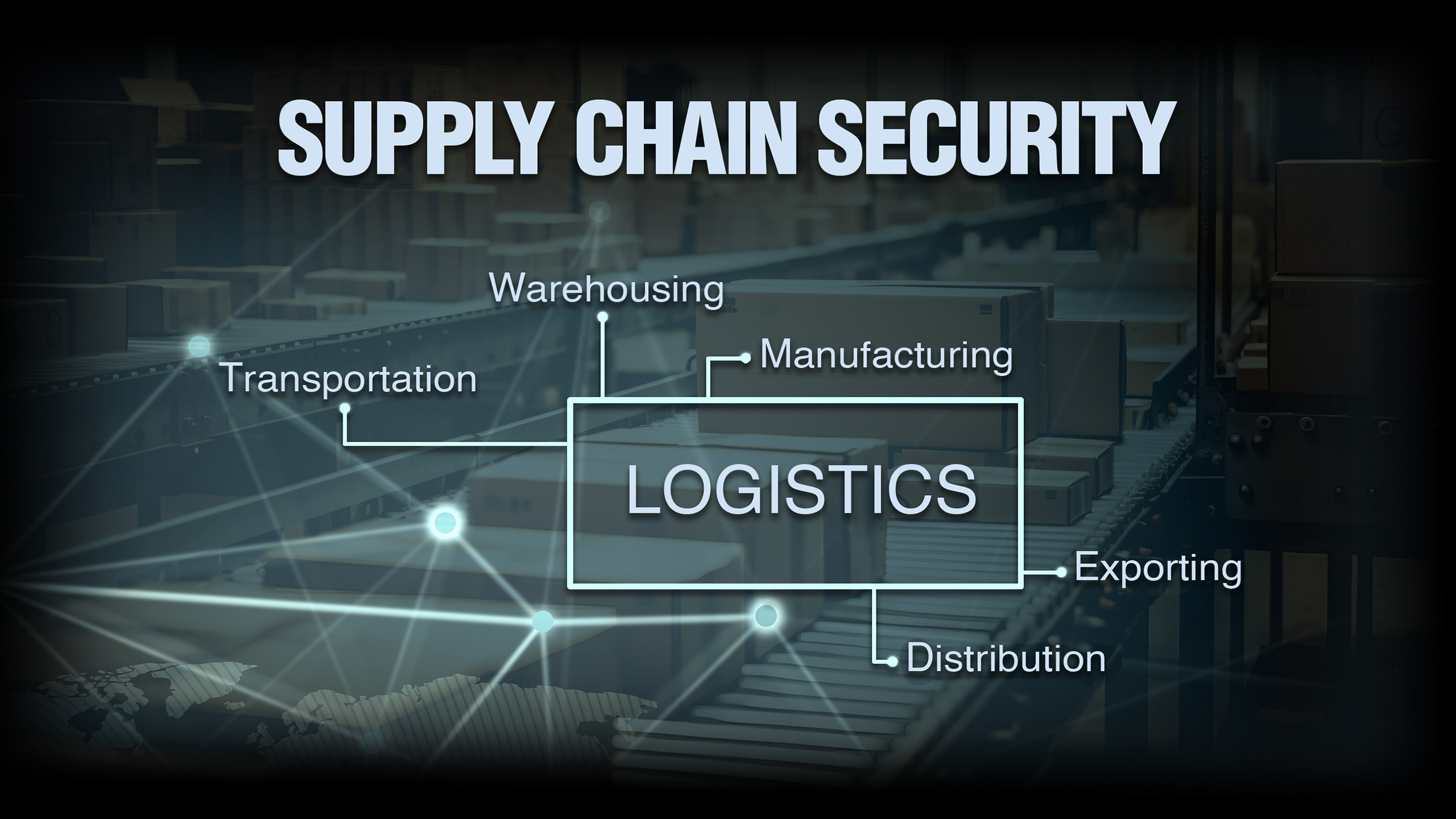
Strengthening Supply Chain Security
Best Practices for Securing AI Supply Chains
In the modern era of AI-driven enterprises, securing the AI supply chain is paramount. Best practices in this domain include:
- Rigorous vetting of third-party software and components, ensuring that all elements in the AI supply chain are sourced from trusted developers and repositories.
- Implementing a robust software bill of materials (SBOM) for tracking each software component and its origins is essential to mitigate security issues.
Organizations should also prioritize continuous monitoring and regular security testing as proactive measures to detect and mitigate security vulnerabilities. At Teamwin Global Technologica, we empower our clients by providing comprehensive guidance on securing AI systems, ensuring resilience against supply chain risks.
Software Supply Chain Security Measures
Software supply chains are a critical aspect of AI infrastructure, and their security cannot be overstated, especially in the context of data privacy. Regular security measures include implementing stringent access controls, conducting periodic audits, and utilizing encryption to protect sensitive data. Organizations should also focus on securing APIs, which often serve as gateways for potential exploits. By employing advanced security controls and rigorous validation processes, companies can safeguard against malicious code that might compromise the integrity of AI systems. Teamwin Global Technologica offers state-of-the-art solutions to fortify your software supply chain, ensuring that your AI deployments remain secure and reliable in the face of evolving cyber threats.
The Role of Cybersecurity Frameworks
Cybersecurity frameworks play an integral role in enhancing supply chain security by providing structured guidelines and best practices for organizations to follow. These frameworks help identify vulnerabilities within AI supply chains and offer strategies to mitigate security risks. By adopting recognized frameworks such as NIST or ISO, companies can establish a robust security posture that protects against potential attacks. Such frameworks emphasize continuous improvement and adaptation to emerging threats, ensuring that AI systems remain secure and resilient. At Teamwin Global Technologica, our expertise in cybersecurity frameworks empowers clients to strengthen their defenses and build trust with their stakeholders.
The Future of AI in Supply Chain Security

Emerging Trends in AI and Supply Chain Management
The landscape of AI and supply chain management is constantly evolving, with emerging trends shaping the future of this domain. Technologies such as machine learning (ML) and AI models are increasingly being integrated to optimize logistics and predict supply chain disruptions. These advancements offer enhanced efficiencies and precision, but they also introduce new security challenges. Organizations must stay vigilant and adapt to these trends by continuously updating their security practices and investing in AI research. Teamwin Global Technologica remains at the forefront of these developments, ensuring that our clients are prepared to leverage cutting-edge innovations while maintaining robust security.
Potential Risks of ML in Supply Chains
While machine learning offers significant advantages in supply chain management, it also presents unique risks. Vulnerabilities in ML supply chains can lead to data poisoning, where hackers manipulate training data to alter AI model outputs. This can result in flawed decision-making and operational disruptions, highlighting the importance of addressing security issues. Additionally, the complexity of ML systems can introduce security vulnerabilities that attackers might exploit. It is crucial for organizations to implement comprehensive security measures to protect AI models and mitigate these risks. At Teamwin Global Technologica, we provide expert guidance and solutions to help businesses anticipate and counteract potential threats in their ML supply chains.
Using AI to Mitigate Supply Chain Risks
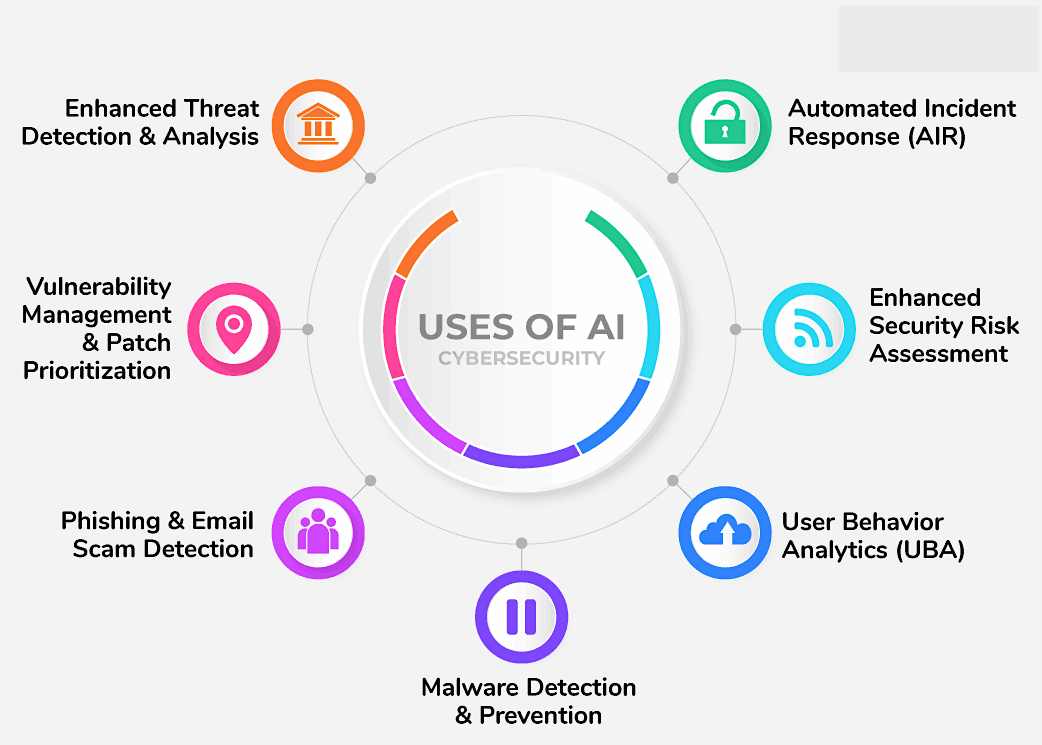
AI technologies are not only a source of supply chain vulnerabilities but also a powerful tool in mitigating associated risks. By leveraging AI models and analytics, organizations can predict and respond to potential disruptions with greater accuracy. AI systems can analyze vast datasets to identify patterns and anomalies, enabling proactive risk management and decision-making. Implementing AI-driven solutions enhances supply chain security by offering real-time insights and adaptive responses to emerging threats. Teamwin Global Technologica is dedicated to empowering its clients through innovative AI solutions, ensuring that their supply chains are not only efficient but also secure and resilient against cyber challenges.
5 Surprising Facts About AI Supply Chain Security Lessons from Recent Vulnerabilities
- Many organizations underestimate the impact of third-party vulnerabilities, with over 50% of breaches stemming from suppliers.
- AI can both enhance and compromise supply chain security, as attackers leverage machine learning to develop sophisticated attacks.
- Recent data breaches have shown that 70% of vulnerabilities are known but not patched, highlighting the gap in proactive security measures.
- Cybersecurity risks in the supply chain can lead to financial losses exceeding $1 million, emphasizing the need for vigilant monitoring.
- Organizations that integrate AI-driven security tools report a 30% improvement in threat detection and response times, showcasing the technology’s potential in mitigating risks.

What are the key lessons from AI supply chain vulnerabilities?
Recent vulnerabilities in AI supply chains highlight the importance of robust security practices. Organizations must implement strong security frameworks that include regular audits and assessments. Understanding AI components and their interactions can help identify potential security flaws early in the development process, ultimately allowing for timely mitigations.
How can organizations use AI to enhance supply chain security?
Organizations can use AI to analyze vast amounts of data related to supply chain operations. By leveraging AI data, companies can predict potential vulnerabilities and adapt their security measures accordingly. AI can also help automate monitoring processes and detect anomalies that may indicate a security breach.
What are supply chain risks associated with AI?
Supply chain risks associated with AI include the introduction of vulnerabilities through third-party components, data poisoning, and insecure AI models. Attackers may exploit these weaknesses to gain unauthorized access or manipulate data. It is essential for security teams to be proactive in identifying and mitigating these risks.
What practices for AI can prevent supply chain attacks?
Implementing best practices for AI, such as using secure coding techniques, conducting regular security assessments, and maintaining updated security frameworks, can help prevent supply chain attacks. Additionally, training AI developers on secure development practices is crucial to ensure that the software supply chain remains protected against malicious code.
How does data security become a concern in AI training data?
Data security becomes a significant concern when training data is used to train an AI model. If the training data is compromised or contains malicious elements, it can lead to vulnerabilities in the AI system. Organizations must ensure that their training data is clean and secure to maintain trust in AI.
What vulnerabilities are found in the OWASP top list related to AI?
Several vulnerabilities found in the OWASP top list can affect AI systems, including inadequate security measures and insufficient input validation. These vulnerabilities can lead to data breaches or exploitation by attackers. Organizations should familiarize themselves with these vulnerabilities to enhance their software supply chain security.
How can AI developers mitigate vulnerabilities in their applications?
AI developers can mitigate vulnerabilities by following secure coding practices, conducting thorough testing, and integrating application security tools into their development process. Additionally, understanding the unique security challenges posed by AI models can lead to better design choices and stronger defenses against potential attacks.
What role do security agencies play in AI supply chain security?
Security agencies play a critical role in AI supply chain security by providing guidelines, frameworks, and resources to help organizations understand potential threats. They also collaborate with industry stakeholders to develop best practices that enhance security across the supply chain, ensuring that AI systems remain robust against evolving threats.
What is the significance of training data poisoning in AI supply chain security?
Training data poisoning poses a significant risk in AI supply chain security, as it can compromise the integrity of the AI model. Malicious actors may alter training data to influence the model’s behavior, leading to unexpected outcomes. Implementing strong security measures to protect training data is essential for maintaining the reliability of AI systems.