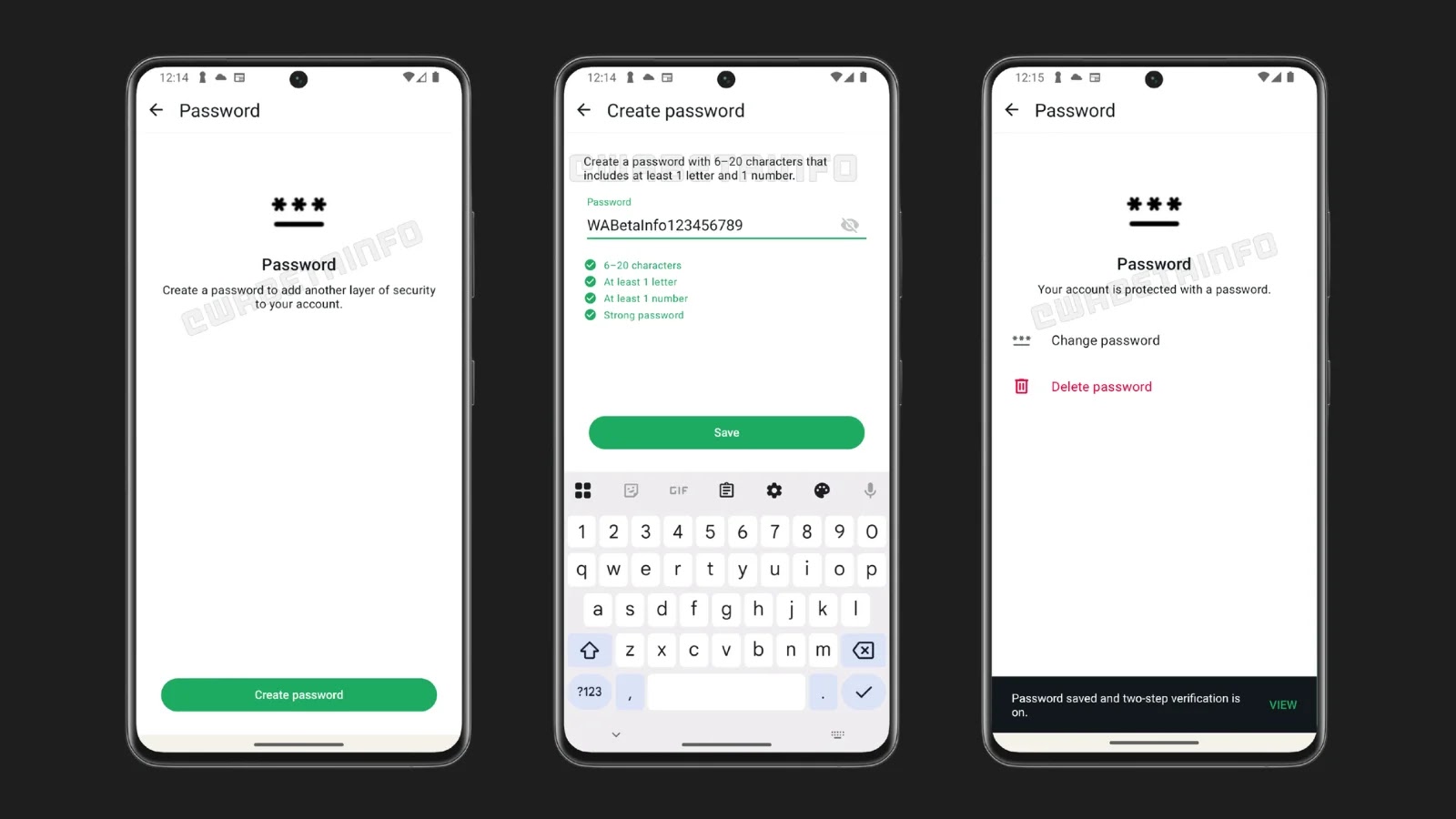
WhatsApp Introduces Optional Account Password Feature to Strengthen Login Security
In an increasingly interconnected digital landscape, the security of our communication channels is paramount. WhatsApp, a platform relied upon by billions globally, is taking a significant step forward in bolstering user account protection. Recent developments reveal an upcoming optional account password feature, designed to fortify login security beyond its existing two-step verification (2FA) system.
The Evolution of WhatsApp Security: A New Password Layer
The highly anticipated security enhancement was spotted in the latest Android update (version 2.26.7.8) released through the Google Play Beta Program. This update indicates that WhatsApp is actively developing an optional account password feature. For cybersecurity professionals and vigilant users alike, this signals a commitment to multi-layered defense, moving beyond basic 2FA to offer a more robust authentication mechanism.
While WhatsApp has long provided two-step verification, which requires a PIN whenever you register your phone number, the addition of an optional account password introduces an extra barrier. This new feature aims to specifically strengthen the login process, making unauthorized access significantly harder even if a user’s device is compromised or their SIM card is swapped in a social engineering attack.
Understanding the Need: Beyond Two-Step Verification
Two-step verification (2FA) is a critical security measure, providing a strong defense against common account takeover attempts. However, sophisticated attackers continually seek new vectors. For instance, SIM-swapping attacks, where an attacker convinces a mobile carrier to transfer a victim’s phone number to a SIM card they control, can potentially bypass 2FA if the second factor relies solely on SMS codes.
The introduction of an optional, unique account password by WhatsApp addresses this by placing authentication logic directly within the application, independent of the cellular network. This means that even with access to a victim’s phone number, an attacker would still need the distinct WhatsApp account password to gain entry, creating a more resilient security posture for its user base.
Implementation and User Experience
As an “optional” feature, users will have the discretion to enable this additional security layer. This approach balances enhanced security with user convenience, allowing individuals to choose the level of protection that aligns with their risk tolerance. We anticipate that WhatsApp will integrate this feature seamlessly within its settings, likely under the “Account” or “Security” sections, providing clear instructions for setup and management.
For IT administrators managing mobile device policies or security architects advising end-users, this feature represents a valuable tool to recommend for employee accounts used for business critical communication via WhatsApp. Its optional nature, however, necessitates strong communication campaigns to encourage adoption and educate users on its benefits.
Remediation Actions and Best Practices
While the account password feature is still in development, users can take proactive steps to enhance their WhatsApp security:
- Enable Two-Step Verification (2FA) Immediately: If you haven’t already, activate 2FA in your WhatsApp settings. This requires a 6-digit PIN that you create and provides an essential layer of security.
- Use a Strong, Unique PIN: Do not use easily guessable PINs like your birthdate or common sequences.
- Set Up an Email Address for 2FA Reset: This allows you to regain access to your account if you forget your 2FA PIN.
- Be Wary of Phishing Attempts: Never click on suspicious links or provide your WhatsApp verification codes to anyone. WhatsApp will never ask for your PIN or verification code via email or chat.
- Keep Your Device Secure: Ensure your phone has a strong passcode or biometric authentication enabled.
- Update WhatsApp Regularly: Always keep your WhatsApp application updated to the latest version to benefit from security patches and new features.
The Future of Secure Messaging
WhatsApp’s move to introduce an optional account password underscores a broader industry trend towards more robust user authentication. As cyber threats become increasingly sophisticated, platforms must continually evolve their security offerings. This development not only enhances individual user safety but also raises the bar for secure messaging standards across the board.
The addition of an account password in WhatsApp’s beta program, as reported by Cyber Security News, demonstrates a positive trajectory for user security on one of the world’s most popular messaging applications.