
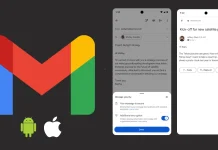
Google Launches Gmail End-to-End Encryption for Android and iOS
Gmail Secures Mobile Communications: End-to-End Encryption Arrives for Android and iOS
The landscape of digital communication is constantly evolving, with a persistent demand for stronger privacy and data security. Organizations navigating stringent data sovereignty regulations often face a dilemma: how to leverage the convenience of mobile platforms without compromising sensitive information. Google has now addressed this critical need, rolling out End-to-End Encryption (E2EE) for the Gmail application on both Android and iOS devices. This significant update transforms how sensitive data can be handled directly from smartphones and tablets, ensuring confidential exchanges remain truly private.
Understanding Gmail Client-Side Encryption and E2EE
This new feature specifically targets users already utilizing Gmail client-side encryption. For those unfamiliar, client-side encryption means that data is encrypted on the user’s device before it leaves their control and is only decrypted on the recipient’s device. This differs fundamentally from traditional server-side encryption, where data is encrypted on Google’s servers but theoretically accessible by Google. With E2EE, Google, or any intermediary, cannot access the unencrypted content of your messages. It’s a powerful step towards true digital privacy, especially vital for organizations managing highly sensitive data.
Elevating Data Sovereignty and Mobile Workflow
The integration of E2EE into the Gmail mobile application is a game-changer for compliance. Many industries and governmental bodies are bound by strict data sovereignty rules, which dictate that certain data must remain within specific geographical boundaries or under particular legal jurisdictions. By implementing E2EE, Google empowers organizations to maintain compliance even when employees are working remotely or on the go. The entire workflow remains mobile-centric, eliminating the need for users to switch to desktop environments for secure communication. This not only boosts productivity but also drastically reduces the risk surface associated with unencrypted mobile data transmission.
Impact on IT Professionals and Security Analysts
For IT professionals and security analysts, this update simplifies the challenge of securing mobile email communications. Previously, ensuring E2EE for mobile email often required third-party solutions or complex manual configurations. Google’s native integration streamlines this process for Gmail users. Organizations can now leverage Google’s robust infrastructure while maintaining cryptographic control over their most sensitive communications. This reduces the burden of managing external encryption tools and offers a more unified security posture across the enterprise’s mobile fleet.
Remediation Actions and Best Practices
While Google’s rollout of E2EE is a significant security enhancement, organizations must still adopt best practices to maximize its benefits:
- Verify Activation: Ensure that client-side encryption is correctly configured and enabled for all relevant users within your Google Workspace environment.
- User Training: Educate employees on what E2EE means and how to confirm that their messages are being sent with this enhanced protection. Understanding the implications of E2EE helps users make informed decisions about their communication methods.
- Device Security: E2EE protects data in transit, but device security remains paramount. Implement strong device passcodes, enable biometric authentication, and ensure devices are regularly patched and updated.
- Endpoint Management: Continue to use Mobile Device Management (MDM) solutions to enforce security policies, manage applications, and remotely wipe devices if they are lost or stolen.
Conclusion
Google’s introduction of End-to-End Encryption for the Gmail application on Android and iOS marks a pivotal moment for mobile data security. It demonstrates a clear commitment to user privacy and organizational compliance, particularly for those handling sensitive information subject to data sovereignty regulations. This update empowers IT professionals and security analysts with a native, robust solution for securing mobile email communications, allowing for confidential workflows directly from smartphones and tablets. Embracing this feature, combined with sound security practices, will significantly strengthen an organization’s overall cybersecurity posture.




