Layer 2 Switching in Data Centers
Layer 2 Switching in the Networks and Data Centres
In the realm of modern networking, Layer 2 switching stands as a cornerstone technology, pivotal for optimizing data flow and enhancing network efficiency within local area networks and complex data center environments. This article delves into the intricacies of layer 2 switching, elucidating its functions, protocols, and the benefits of layer 2 implementation in contrast to layer 3 routing. We will explore how Layer 2 switches are integral components of the network topology in a LAN. facilitate seamless data transfer and contribute significantly to overall Network performance can be significantly impacted by the design of the network topology..
Understanding Layer 2 Switching
What is Layer 2 Switching?
Layer 2 switching is a fundamental aspect of modern networking. It operates at the data link layer of the OSI model, with key characteristics that define its functionality:
- It forwards data frames between ports based on MAC addresses.
- It enhances network efficiency and reduces network congestion by directing data only to the intended destination.
In contrast to layer 3 devices like routers, which use IP addresses for routing between different networks, a layer 2 switch operates within the same network segment, creating a local area network. This is typically achieved with devices such as an ethernet switch which learns which MAC addresses are associated with each of its ports and uses this information to forward data.
Functions of Layer 2 Switches
The primary function of layer 2 switches is to efficiently forward data. This process relies heavily on MAC addresses, unique identifiers assigned to network devices. The core of the operation involves a The MAC address table is vital for identifying devices within the network interface..
| Component | Function |
|---|---|
| MAC Address | Unique identifier for network devices |
| MAC Address Table | Maps MAC addresses to specific ports for data packet forwarding |
When a data packet arrives, the switch examines the destination MAC address and consults its table to determine the correct port to forward the data packet to. If the destination MAC address is unknown, the switch may forward the data packet to all ports, a process known as flooding, though this is minimized through continuous learning and updating of the MAC address table. This intelligent forwarding helps optimize data flow within a local area network, crucial for maintaining high network performance.
Protocols Used in Layer 2 Switching
Layer 2 switching relies on several key protocols To ensure efficient data transmission, network traffic must be monitored closely. data transmission. These protocols play critical roles in maintaining network stability and performance, including:
- Ethernet Ethernet switches are the most prevalent technology used in modern LAN setups. protocol, which defines the standards for data packet formatting and transmission.
- VLANs (Virtual LANs) used to segment a physical network into multiple The logical link between devices in a LAN is essential for communications, improving network management and security.
- Spanning Tree Protocol (STP) which prevents loops in the A robust network architecture is essential for supporting high-performance enterprise networks. by blocking redundant paths.
These protocols work together to maintain a stable and efficient layer 2 network, facilitating seamless network connectivity.
Comparing Layer 2 and Layer 3 Switching

Differences Between Layer 2 and Layer 3 Switches
Understanding the differences between layer 2 and layer 3 switches is crucial for designing effective network architectures. Layer 2 switches, operating at the data link layer of the OSI model, forward data based on MAC addresses within the same network segment, creating a local area network. In contrast, layer 3 switches function at the network layer, utilizing IP addresses for routing data packets between different networks. A layer 2 switch enhances network efficiency by forwarding data frames only to the intended destination MAC address, while layer 3 devices, like routers, make routing decisions to forward data across multiple networks. Cisco and other vendors offer switches that support both layer 2 and layer 3 functionality.
When to Use Layer 2 vs Layer 3 Switches
Choosing between layer 2 vs layer 3 switches depends on specific network requirements. Use layer 2 switches within a local area network where data transfer is primarily based on MAC addresses. This setup is ideal for enhancing network performance and reduce network congestion within the same network. Conversely, employ layer 3 switches when routing is required between different VLANs or networks, making them suitable for larger, more complex network environments that need network management. Layer 3 devices can handle routing protocols and IP address management, providing more comprehensive network connectivity than standard layer 2 solutions. Consider the scope and complexity of your network infrastructure when deciding between layer 2 and layer 3 switches.
Benefits of Layer 2 Switching
The benefits of layer 2 switching are numerous, particularly within a local area network. Layer 2 switches enhance network efficiency by forwarding data packets based on MAC addresses, ensuring that data flow is streamlined and network congestion is minimized. They also simplify network management by keeping traffic within specified VLANs or network segments. Ethernet switches, a type of layer 2 switch, are cost-effective and easy to deploy, making them a practical choice for small to medium-sized businesses. By focusing on efficient data transfer within the same network, layer 2 switches contribute significantly to overall network performance and stability. Optimize your network by understanding the strengths of layer 2 switching and routing.
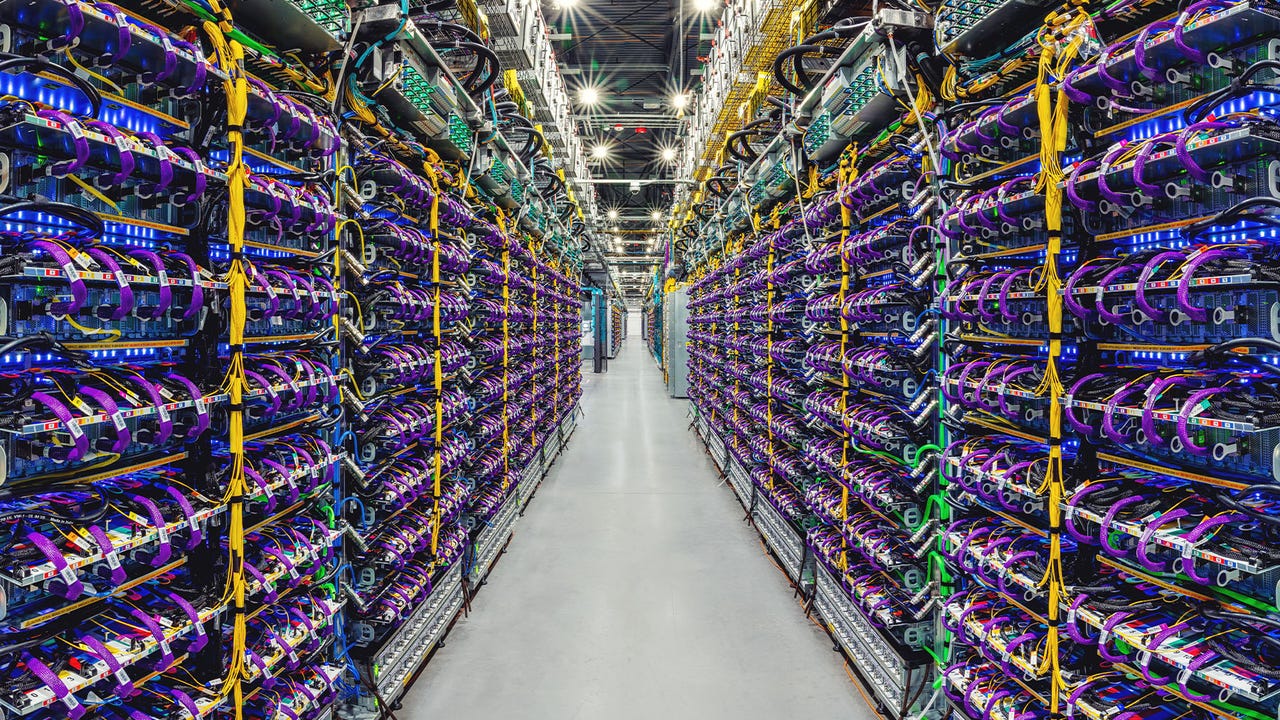
Layer 2 Switching in Data Centers

Role of Layer 2 Switches in Data Center Networks
In Data centers play a crucial role in managing network traffic for enterprise networks., the role of layer 2 switches Efficient network design is critical for maintaining high-speed, low-latency connections. network communication within the same network. These switches operate at the data link layer of the OSI model, efficiently forwarding data frames based on MAC addresses. Unlike layer 3 devices that perform routing, layer 2 switches focus on data transfer within a broadcast domain, which allows for faster processing and reduce network congestion. By using ethernet switches, data centers can optimize data flow and ensure that data packets reach their intended destination mac address quickly and reliably, which is essential for demanding applications and services. Optimize your network infrastructure with robust layer 2 solutions.
Optimizing Data Center Performance with Layer 2
To optimize data center network performance, strategic deployment of layer 2 switches is essential. These network switches enhance network efficiency by efficiently forwarding data packets based on MAC addresses, minimizing latency and reduce network congestion. Implementing VLANs can further improve network management by segmenting the local area network into smaller, manageable network segments. Using layer 2 features such as link aggregation and quality of service (QoS) also ensures that critical applications receive priority, optimize data flow and maintaining high levels of network connectivity. Proper configuration of layer 2 and layer 3 switches is key to achieving optimal data center operations, improve data transmission.
Ethernet Switches and Their Importance
Ethernet switches, as a specific type of layer 2 switch, play a vital role in modern network infrastructure, especially in data centers. Operating at the data link layer of the OSI model, these switches forward data efficiently based on MAC addresses, which allows for seamless communication within a local area network. Ethernet switches are crucial for network efficiency and are designed to optimize data transfer, reduce network congestion and improve overall network performance. By supporting VLANs and other protocols, ethernet switches enable better network management and enhanced security. Considering the differences between layer 2 and layer 3 switches, ethernet is often the best choice for within the same network data transmission needs.
Layer 2 Networking Protocols
Overview of Ethernet Protocol in Layer 2
Ethernet is the predominant protocol at layer 2, serving as the foundation for most local area networks. As a protocol operating at the data link layer of the OSI model, Ethernet defines the rules for data transmission, governing how data packets Packets are formatted and prepared for transmission across the physical layer. forwarded across the network. Ethernet switches, a form of layer 2 switch, utilize MAC addresses to forward data frames efficiently, enhancing network performance and minimizing network congestion. The reliability and widespread adoption of Ethernet make it a critical component in modern network architecture.
VLANs and Their Role in Layer 2 Networks
VLANs (Virtual LANs) are essential for network management in layer 2 networks, enabling the segmentation of a physical network into multiple logical links. By creating these separate network segments, VLANs improve security and optimize data flow within the same network. Each VLAN operates as its own broadcast domain, isolating traffic and preventing unnecessary data transfer between different groups of users or devices. This isolation enhances network efficiency and allows administrators to manage network resources more effectively, making VLANs a valuable tool in network architecture.
MAC Address and its Significance
The MAC address, or Media Access Control address, is a unique identifier assigned to each network device, playing a crucial role in layer 2 communication. Operating at the data link layer, layer 2 switches use MAC addresses to forward data frames to the correct destination mac address within a local area network. When a data packet arrives at a layer 2 switch, the switch examines the destination MAC address to determine which port to forward the data. This process, which is part of how switches operate, ensures efficient data transfer and minimizes network congestion, underpinning network performance.
Layer 2 Network Architecture
Designing a Layer 2 Network Infrastructure
Designing an effective layer 2 network infrastructure involves careful consideration of several factors to optimize network performance. First, choose the right layer 2 switch, like an ethernet switch, for your needs. Determine the appropriate number and placement of layer 2 switches to minimize latency and reduce network congestion. Utilize VLANs to segment the network for enhanced security and network management. Also, use link aggregation to increase bandwidth between switches. Proper planning ensures seamless data transfer and reliable network connectivity within a local area network.
Integration with Layer 3 Routing
While layer 2 switching focuses on data transfer within the same network segment, integrating with layer 3 routing is essential for enabling communication across different networks. Layer 3 switches, or routers, use IP addresses to route data packets between VLANs or separate networks, effectively connecting local area networks. Understanding the differences between layer 2 and layer 3 switches allows for a cohesive network architecture that balances local network efficiency with broader network connectivity. This integration ensures that data can seamlessly traverse both layer 2 and layer 3 domains, maximizing network performance.
Cisco Switches in Layer 2 Networks
Cisco switches are a popular choice for layer 2 networks, offering a range of features that enhance network performance and network management. These ethernet switches forward data efficiently based on MAC addresses, optimize data flow within a local area network, and support advanced capabilities such as VLANs and Spanning Tree Protocol. Cisco switches also often support Power over Ethernet (PoE), simplifying the deployment of devices like IP phones and security cameras. With robust security features and scalability, Cisco switches contribute to building reliable and high-performing layer 2 network infrastructures.

Data Link Layer: What is layer 2 switching in data centers and how does it fit in the OSI model?
Layer 2 switching in data centers refers to the use of network switches that operate at the data link layer (OSI layer 2) to forward frames within a LAN. In the open systems interconnection (OSI) model the data link layer sits above the physical layer (layer 1) and below the network layer; it includes logical link control functions that manage frame synchronization and error checking while enabling MAC-based forwarding. Layer 2 devices provide fast data forwarding and low-latency data processing optimized for sending data within a network, improving data throughput for east-west traffic common in modern data centers.
Network switch: How do switches support VLANs and what is the role of a port on a layer 2 switch?
Network switches support VLANs by segmenting a LAN into multiple logical networks at the data link layer, allowing isolation and traffic control without routing at the network layer. A port on a layer 2 switch can be assigned to a VLAN or configured as a trunk for multiple VLANs; when a switch receives frames it examines MAC addresses and VLAN tags to decide forwarding behavior. This switching capability lets data forwarding remain efficient while enforcing policies, and is fundamental for maintaining security and optimal data throughput within a data center fabric.
Router vs Network device: When should you use layer 2 switching instead of routing (network layer) in a data center?
Use layer 2 switching when you need high-performance, low-latency forwarding within the same broadcast domain or VLAN, such as server-to-server (east-west) communication. Routers operate at the network layer and handle IP-based routing between subnets or wide area network links, which adds processing overhead. Layer 2 devices are ideal for fast data paths and minimal packet inspection, while routers are necessary when you need inter-VLAN routing, IP-based policies, or WAN connectivity. Combining both—using network switches for local switching and routers for gateway functions—balances data throughput and network segmentation.
OSI Model: What happens when a switch receives traffic — how is data forwarded and what are the switching capabilities?
When a switch receives a frame it examines the frame header at the data link layer, learning source MAC addresses and consulting a MAC table to determine the appropriate output port. If the destination is known, the switch will forward the frame out the correct port; if unknown, it will flood the frame to relevant ports. These switching capabilities—MAC learning, filtering, and forwarding—enable efficient data forwarding and minimize unnecessary sending data across links. Logical link control assists with frame integrity while the physical layer handles actual signal transmission, together delivering reliable data processing within the LAN.
LAN: Can layer 2 switching span across a wide area network or support fast data replication between data centers?
Layer 2 switching is primarily designed for LAN environments, but technologies like VXLAN, EVPN, and MPLS can extend layer 2 semantics across a wide area network to support fast data replication and mobility. Extending a flat layer 2 domain across data centers can simplify VM migration and certain storage replication patterns, but it introduces challenges for broadcast containment and data throughput. In practice, network architects often combine layer 2 overlay techniques with routing at the network layer to balance the benefits of layer 2 switching with the scalability and control needed for multi-site deployments.