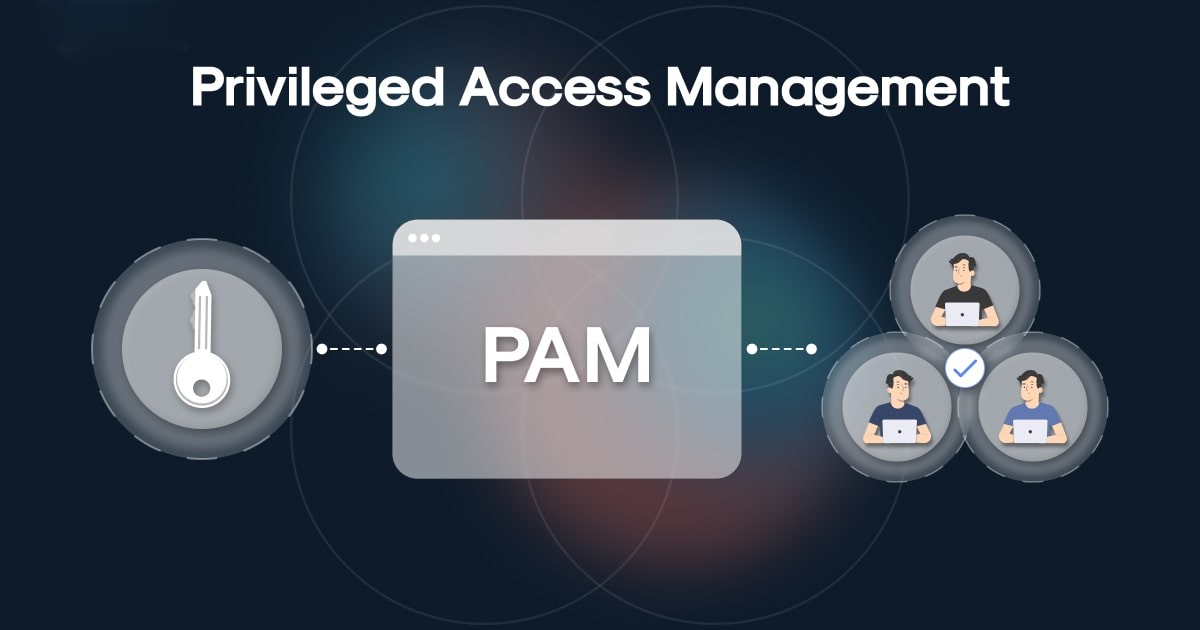
Future of PAM in SaaS‑Only Enterprises.
Future of Privileged Access Management in SaaS-Only Enterprises
In the rapidly evolving landscape of cybersecurity, Privileged Access Management (PAM) stands as a cornerstone for protecting sensitive data and critical infrastructure. As enterprises increasingly adopt SaaS-only models, the traditional approaches to PAM must adapt to meet the unique challenges and opportunities presented by cloud environments. This article explores the future of PAM in SaaS-only enterprises by 2026, examining the key trends, technologies, and strategies that will shape the next generation of privileged access management solutions.
Understanding Privileged Access Management (PAM)

Definition and Importance of PAM
Privileged Access Management (PAM) is a suite of cybersecurity strategies and technologies designed to control and monitor access to sensitive assets within an enterprise’s identity security framework. A robust PAM solution is critical for safeguarding enterprise data and intellectual property, preventing unauthorized access to critical systems. The importance of PAM cannot be overstated; it acts as a vital security control, mitigating the risk of both internal and external threats. Teamwin Global Technologica recognizes the critical role of PAM and provides cutting-edge PAM solutions that ensure secure privileged access across various cloud environments.
Key Components of a PAM Solution
A comprehensive PAM solution consists of several key components working in concert to secure privileged access across hybrid cloud and on-premises PAM environments. These include credential management, privileged session management, access control mechanisms, and auditing capabilities. Key elements that enhance security posture include:
- Password vaulting and rotation are essential components of a secure access strategy in PAM.
- Role-based access control (RBAC) is a critical element of a PAM approach that ensures secure access to sensitive data.
- Multi-factor authentication (MFA)
Effective PAM also involves continuous monitoring and real-time alerting to detect and respond to suspicious activities. Teamwin Global Technologica includes PAM in its suite of IT security solutions.
Comparison: Traditional PAM vs. Modern PAM
Traditional PAM solutions were primarily designed for on-premises environments, often relying on complex infrastructure and manual processes. In contrast, modern PAM solutions, particularly those built for cloud environments, offer greater agility, scalability, and automation. Cloud PAM solutions leverage cloud-native technologies to provide just-in-time (JIT) access, zero trust principles, and automated workflows. The shift from legacy PAM to modern PAM reflects a broader move towards more dynamic and adaptive security controls. Modern PAM ensures that privileged credentials are not exposed unnecessarily, minimizing the risk of unauthorized access.
PAM in the Context of SaaS Enterprises

Benefits of Cloud PAM Solutions in SaaS
Adopting a cloud PAM solution within a SaaS enterprise offers numerous advantages, primarily centred around enhanced security and operational efficiency. Cloud PAM allows for centralized management of privileged credentials and access control across various SaaS applications. By leveraging cloud-native PAM, enterprises can automate many of the manual processes associated with traditional PAM systems. Furthermore, cloud-based PAM solutions ensure that just-in-time access is granted, minimizing the risk of unauthorized access. Teamwin Global Technologica offers robust cloud PAM solutions tailored to the unique needs of SaaS-only enterprises, ensuring a strong security posture.
Challenges in Implementing PAM in Cloud Environments
Implementing PAM in cloud environments presents unique challenges, including managing privileged access across a distributed infrastructure and ensuring compliance with evolving regulations. One major challenge is maintaining visibility and control over privileged identities and service accounts that span multiple cloud services. Another challenge is integrating PAM tools with existing SaaS applications and identity and access management (IAM) systems. To overcome these hurdles, a comprehensive PAM strategy that incorporates zero trust principles and continuous monitoring is essential. Teamwin Global Technologica assists enterprises in navigating these complexities by providing expert guidance and implementing effective PAM programs.
Managing Privileged Access in SaaS Applications
Managing privileged access in SaaS applications requires a multi-faceted approach. This involves implementing role-based access control, enforcing multi-factor authentication, and utilizing privileged session management to monitor and audit privileged activities. Effective PAM in SaaS also includes key security measures such as:
- Regular password rotation is a vital practice within a PAM approach to ensure secure access to sensitive systems.
- Vaulting to protect privileged credentials
Moreover, enterprises should adopt the principle of least privilege to limit access to only what is necessary for each user. Teamwin Global Technologica provides solutions that ensure secure privileged access across all SaaS applications, reducing the risk of unauthorized access and maintaining compliance.
The Role of Compliance in PAM
Understanding Compliance Requirements for Privileged Access
Compliance plays a critical role in privileged access management, as various regulations and standards mandate specific controls over privileged access. Understanding these compliance requirements is essential for any enterprise seeking to implement a robust PAM program. Regulations such as GDPR, HIPAA, and PCI DSS all include provisions related to access control and data protection, making PAM a key component of compliance efforts. Failure to meet these requirements can result in significant penalties and reputational damage. Teamwin Global Technologica ensures its PAM solutions align with industry-specific compliance standards.
How PAM Solutions Aid in Compliance Audits
PAM solutions significantly aid in compliance audits by providing comprehensive audit trails of all privileged activities, enhancing overall identity security. These audit trails offer detailed records of who accessed what, when, and how, enabling security teams to demonstrate compliance with regulatory requirements. A modern PAM platform also simplifies the audit process by automating reporting and providing real-time visibility into privileged access, which is crucial for preventing security breaches. By centralizing access controls and monitoring capabilities, PAM solutions reduce the complexity of compliance audits and improve the overall security posture. Teamwin Global Technologica’s effective PAM solutions offer robust auditing capabilities, supporting enterprises in meeting their compliance obligations related to secure access.
Future Compliance Trends in PAM Solutions
Looking ahead to 2026, future compliance trends in PAM solutions will likely focus on greater automation, enhanced threat intelligence, and more stringent data protection measures. As regulatory landscapes evolve, PAM systems will need to adapt to address emerging threats and compliance requirements. This includes incorporating AI-driven analytics to detect anomalous privileged access patterns and integrating with identity governance solutions to ensure proper access certifications. Furthermore, PAM solutions will need to support cloud-native and zero trust architectures to align with modern security best practices. Teamwin Global Technologica is committed to staying ahead of these trends, providing PAM solutions that meet the evolving compliance needs of SaaS-only enterprises, particularly in the realm of cloud security.
The PAM Market Landscape by 2026
Market Size and Growth of PAM Solutions
By 2026, the PAM market is projected to experience substantial growth, driven by the increasing adoption of SaaS applications and the need for robust cybersecurity measures. The market size for PAM solutions will expand as enterprises seek to secure privileged access across cloud environments. This growth will be fuelled by the rising number of cloud-native PAM offerings and the demand for automated, scalable privilege management. Teamwin Global Technologica is poised to capitalize on this growth by providing innovative PAM solutions that address the evolving needs of SaaS-only enterprises, ensuring secure privileged credentials.
Leading PAM Vendors and Their Offerings
Several leading PAM vendors are offering comprehensive solutions designed to manage privileged access in SaaS-only enterprises, focusing on cloud security and identity security. These PAM providers offer a range of features, including credential management, privileged session management, and access control mechanisms. Key offerings include cloud-based PAM platforms that automate privileged access management tasks and integrate seamlessly with existing IAM systems. Teamwin Global Technologica distinguishes itself by offering tailored PAM solutions that prioritize just-in-time access and zero trust principles, ensuring a strong security posture for its clients across all cloud services, therefore minimizing unauthorized access.
Emerging Trends in PAM Adoption Strategies
Here’s how enterprises are evolving their PAM adoption strategies to bolster security:
- Adopting a zero trust approach, which mandates stringent access control.
- Emphasizing the automation of PAM processes, leading to better efficiency.
Teamwin Global Technologica is incorporating these trends into its PAM program, offering solutions that leverage AI-driven analytics and automated workflows to enhance enterprise security, ensuring that privileged credentials are not exposed unnecessarily.
Strategies for Secure Privileged Access Management
Implementing Least Privilege Access Control
Implementing least privilege access control is a fundamental strategy for secure privileged access management. The principle of least privilege dictates that users should only be granted the minimum level of access necessary to perform their job functions, thereby enhancing identity security. This approach reduces the attack surface and minimizes the potential damage from insider threats or compromised privileged accounts. Effective PAM solutions enforce role-based access control and allow for granular permission management. Teamwin Global Technologica helps enterprises implement this strategy by providing PAM tools that simplify the process of assigning and managing user privileges across all cloud services.
Session Management Best Practices
Session management is critical for monitoring and controlling privileged activities, particularly in the context of hybrid cloud environments. Best practices include implementing privileged session management solutions that record and audit all privileged sessions. Real-time monitoring and alerting capabilities enable security teams to detect and respond to suspicious activities promptly. Moreover, implementing multi-factor authentication (MFA) for all privileged accounts adds an extra layer of security. Teamwin Global Technologica integrates these best practices into its PAM solutions, ensuring that privileged credentials are not misused and that unauthorized access is prevented, especially within cloud environments. Teamwin Global Technologica also helps in compliance with identity security regulations.
Evaluating and Choosing the Right PAM Solution
Evaluating and choosing the right PAM solution involves assessing an enterprise’s specific needs and comparing the features and capabilities of different PAM architectures. Key considerations include the solution’s ability to integrate with existing IAM systems, support cloud environments, and automate privileged access management tasks. The right PAM solution should also offer robust auditing and reporting capabilities to support compliance efforts. Teamwin Global Technologica assists enterprises in this evaluation process, providing expert guidance and tailored PAM solutions that meet their unique requirements, therefore maximizing your security posture.

How does a privileged access management solution fit into cloud security for SaaS‑only enterprises?
In SaaS‑only enterprises, a privileged access management solution must be cloud-native to manage access rights across modern cloud and public cloud environments; it integrates seamlessly with identity platforms and cloud providers so privileged account credentials and sensitive data are protected without forcing legacy pam architectures into the cloud. Choosing a PAM approach that supports zero trust PAM principles, adaptive authentication, and automated credential rotation ensures privileged access is continuously validated and minimizes risk to cloud resources and management platforms.
What is the best approach to pam when balancing identity security and legacy pam systems?
The best approach to PAM combines new PAM capabilities with legacy PAM where needed: adopt cloud-native PAM that complements existing identity security controls and IAM and PAM integrations, migrate privileged account workflows to advanced PAM features, and use bridges or connectors to legacy PAM during transition. This hybrid approach lets teams choose a PAM solution that enforces least privilege, secures passwords and secrets, and moves toward zero trust PAM without disrupting critical operations.
How do I choose a pam solution that supports cloud-native pam solutions and many pam use cases?
When you choose a PAM solution for SaaS‑only enterprises, prioritize cloud-native PAM solutions that provide API-first integrations with identity platforms and cloud providers, multi-tenancy for management platforms, and support for dynamic cloud resources. Evaluate advanced PAM capabilities like secrets management, session isolation, and auditability, and confirm the vendor’s roadmap for new PAM features—this ensures the solution scales to many PAM use cases and aligns with your PAM strategy.
How does pam strategy protect privileged account passwords and sensitive data in public cloud environments?
A robust PAM strategy includes automated password vaulting, ephemeral credentials for privileged account access, and granular access rights tied to identity platforms. For public cloud and modern cloud services, leverage cloud-native PAM that rotates secrets, integrates with cloud providers’ native IAM, and enforces zero trust PAM policies so sensitive data and passwords are never long-lived or exposed in logs or endpoints.
Can advanced pam and zero trust pam reduce risk across cloud providers and management platforms?
Yes—advanced PAM combined with zero trust PAM reduces risk by enforcing continuous verification, least privilege, and context‑aware access across multiple cloud providers and management platforms. By using IAM and PAM together, implementing cloud-native PAM solutions, and ensuring PAM integrates seamlessly with identity platforms and cloud resources, organizations can prevent lateral movement from privileged accounts and maintain consistent identity security across the SaaS‑only enterprise.