
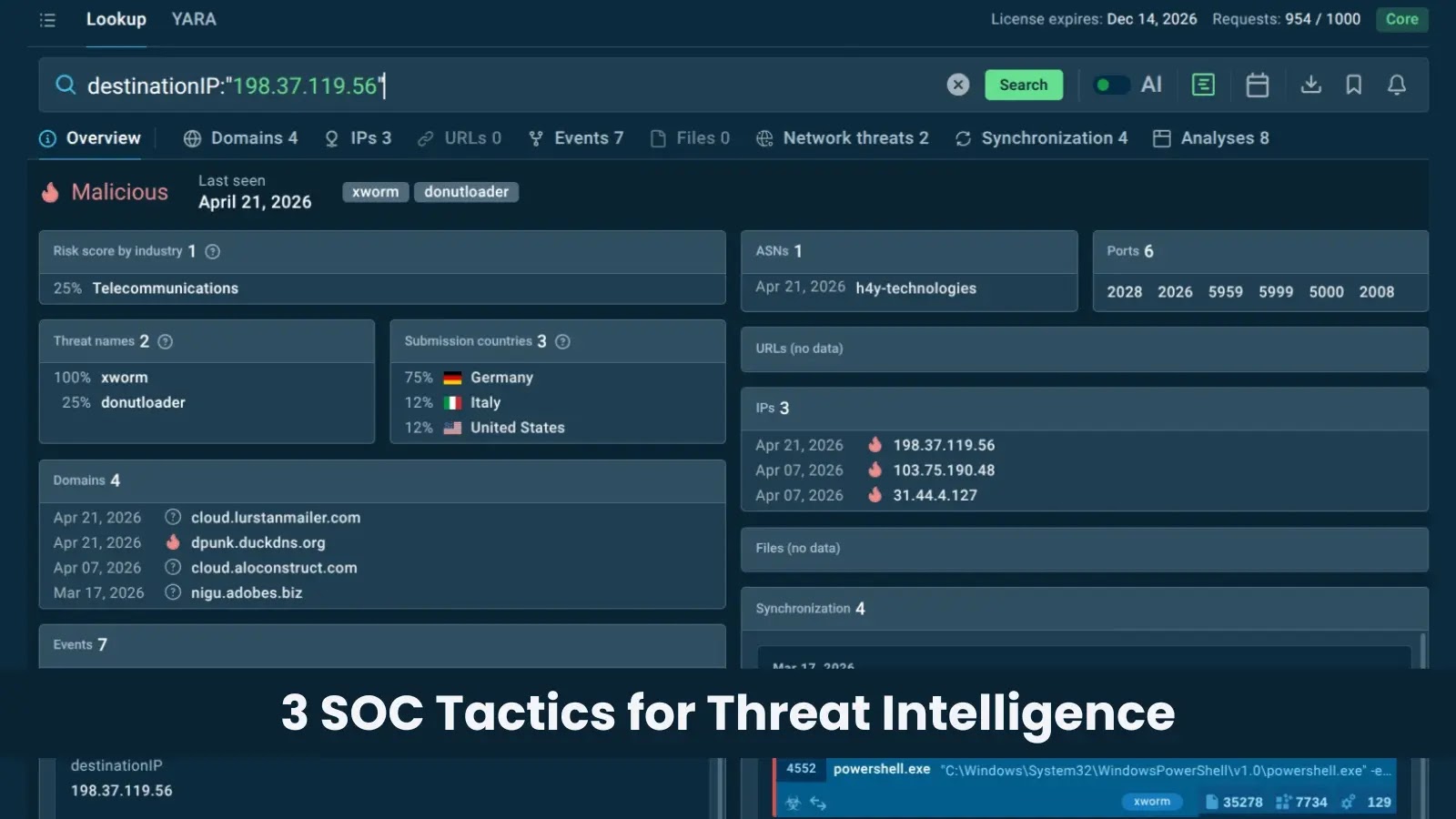
3 Tactics Elite SOCs Use to Operationalize Threat Intelligence
Unveiling Elite SOC Strategies: Operationalizing Threat Intelligence for Proactive Defense
A data breach can dominate headlines for a day, but the damage it inflicts reverberates for years. Critical business risk isn’t a singular, catastrophic event; it’s a gradual erosion. Think of dwell time stretching into lateral movement, a compromised supplier becoming the gateway to your own breach, or a compliance gap ballooning into a seven-figure penalty. Reactive security merely addresses the moment. True resilience, however, stems from proactive measures. Elite Security Operations Centers (SOCs) understand this distinction profoundly, operationalizing threat intelligence to anticipate and neutralize threats before they escalate. This article delves into three crucial tactics employed by these leading SOCs to transform raw intelligence into actionable defense.
Beyond Feeds: Contextualizing Threat Intelligence
Many organizations consume threat intelligence feeds, yet few truly leverage them effectively. Elite SOCs move beyond simply ingesting indicators of compromise (IOCs). They focus on contextualization. This involves enriching raw intelligence with internal telemetry, business context, and geopolitical factors. Instead of just knowing an IP address is malicious, they understand why it’s malicious, who it’s targeting, and what assets are at risk within their specific environment. This depth of understanding allows them to prioritize threats based on actual impact and relevancy, rather than a generic severity score. For example, knowing a newly discovered vulnerability like CVE-2024-XXXXX (placeholder for a hypothetical, recent CVE) is being exploited by a specific threat group known to target their industry sector dramatically elevates its priority compared to a widespread, unsophisticated attack.
- Internal Data Correlation: Integrating threat intelligence with SIEM data, EDR alerts, and vulnerability scanner outputs to identify patterns and potential compromises specific to their infrastructure.
- Business Impact Analysis: Mapping threats to critical business functions and assets to understand potential cascading effects of an attack.
- Threat Actor Profiling: Understanding the motivations, TTPs (Tactics, Techniques, and Procedures), and historical targets of relevant threat actors. This ensures that defensive measures are tailored against realistic adversaries.
Automating Intelligence-Driven Response
The speed at which modern attacks unfold necessitates automated responses. Elite SOCs don’t just passively consume threat intelligence; they actively integrate it into their automated defense mechanisms. This means translating intelligence into actionable rules, scripts, and playbooks that can block, detect, or contain threats without human intervention in the initial stages. This isn’t about replacing analysts; it’s about empowering them to focus on complex investigations and strategic improvements. For instance, intelligence indicating a new phishing campaign leveraging a specific domain can be automatically pushed to email gateways and web proxies for immediate blocking, preventing CVE-2023-XXXXY-style (placeholder for a hypothetical, recent CVE) credential harvesting or malware delivery before it reaches end-users.
- SOAR Integration: Leveraging Security Orchestration, Automation, and Response (SOAR) platforms to automate incident response workflows based on threat intelligence triggers.
- Dynamic Security Controls: Automatically updating firewalls, intrusion prevention systems (IPS), and endpoint detection and response (EDR) rules with fresh IOCs and threat signatures.
- Proactive Hunting: Programming security tools to proactively hunt for emerging TTPs identified in threat intelligence, rather than waiting for an alert.
Fostering a Culture of Intelligence Sharing and Feedback
The operationalization of threat intelligence is not a one-way street. Elite SOCs cultivate a robust feedback loop. Intelligence analysts don’t just push data; they receive feedback from incident responders, vulnerability management teams, and even internal development teams. This continuous cycle ensures that the intelligence being consumed is relevant, accurate, and truly actionable. When a new exploit, like one targeting CVE-2024-XXXXZ (another placeholder for a hypothetical, recent CVE), is identified, intelligence analysts brief the relevant teams, and their observations during detection and remediation feed back into refining intelligence models. This collaborative spirit transforms threat intelligence from a static report into a living, evolving defense mechanism.
- Internal Collaboration Platforms: Utilizing secure platforms for sharing observations, TTPs, and lessons learned across security and IT teams.
- Post-Incident Review: Analyzing how threat intelligence performed during an incident and identifying areas for improvement in sources, processing, and application.
- Training and Education: Regularly training security personnel on how to interpret and act upon various forms of threat intelligence.
Remediation Actions
To implement these elite SOC tactics, consider the following:
- Invest in Threat Intelligence Platforms (TIPs): Such platforms aggregate, normalize, and enrich threat data from various sources, making it more digestible and actionable.
- Integrate Your Security Stack: Ensure your SIEM, SOAR, EDR, and network security tools can seamlessly share information and automate responses based on intelligence.
- Develop Cross-Functional Teams: Break down silos between intelligence analysts, incident responders, and vulnerability management teams to ensure a unified approach to threat defense.
- Establish Robust Feedback Mechanisms: Create formal processes for incident responders to provide input on the effectiveness and relevance of threat intelligence.
Conclusion
The journey from reactive incident response to proactive defense is paved with intelligent action. Elite SOCs don’t just collect threat intelligence; they operationalize it. By contextualizing data, automating responses, and fostering a culture of continuous learning and sharing, these organizations build a formidable defense that anticipates threats rather than merely reacting to them. Embracing these tactics allows businesses to move beyond the headlines of a breach and establish a resilient security posture that protects critical assets and ensures long-term operational integrity.




