
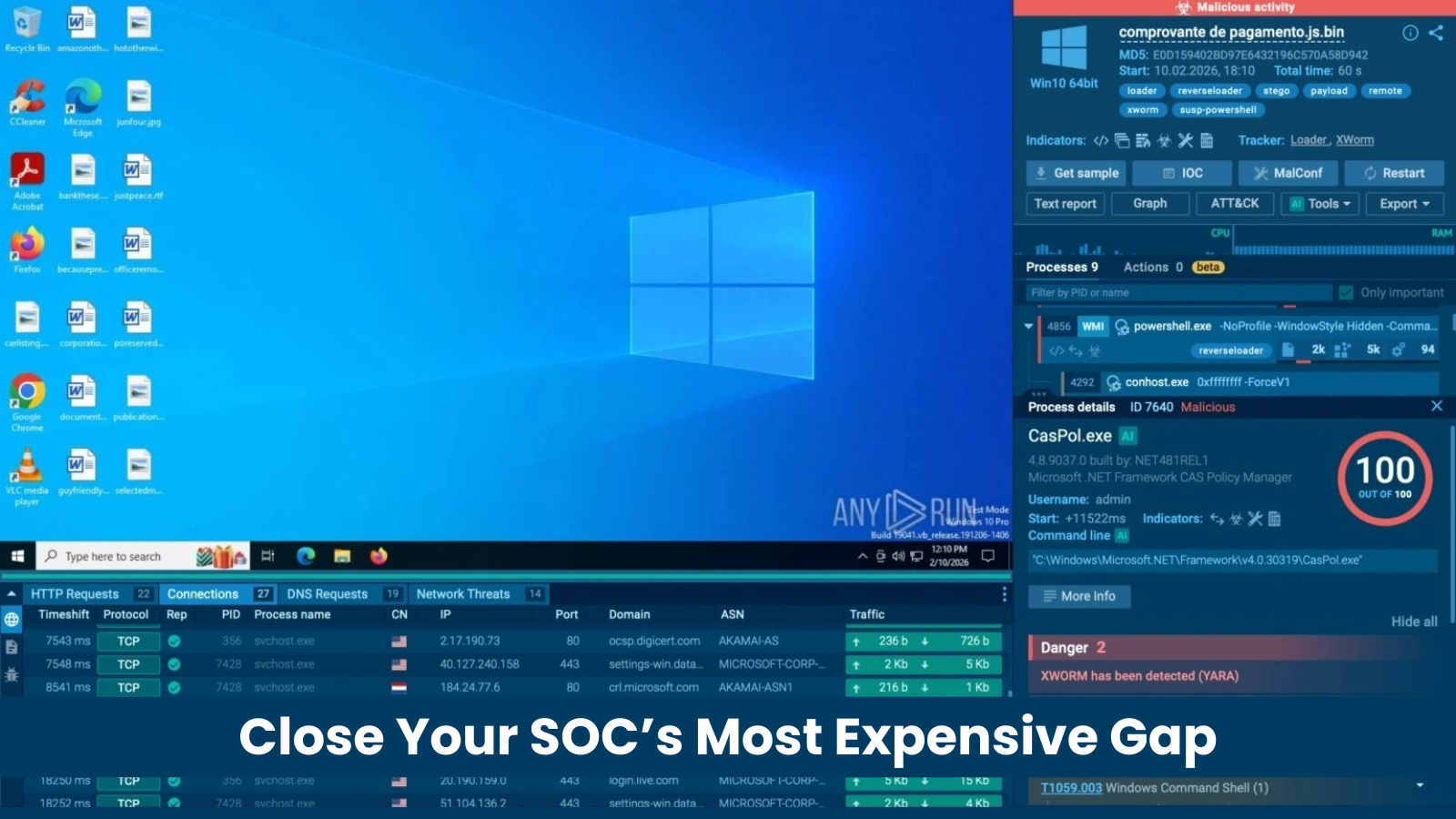
How to Close the Most Expensive Gap in Your SOC
Within many Security Operations Centers (SOCs), a subtle yet significant inefficiency often lurks, quietly draining resources and delaying critical responses. This isn’t a flashy zero-day vulnerability or an obvious infrastructure flaw; instead, it’s a procedural chasm that opens between the moment a Tier 1 analyst identifies a potential threat requiring escalation and when the response team can effectively act upon it. Far too often, the alert itself progresses, but the vital context—the ‘why’ behind the escalation, the initial observations, the analyst’s intuition—gets lost in translation. This gap forces the response team to reconstruct the incident from scratch, sifting through noise, verifying initial findings, and ultimately delaying the decisive actions needed to neutralize threats. This operational void represents one of the most expensive gaps in any SOC.
The Hidden Cost of Context Loss in Incident Response
Imagine a Tier 1 analyst flags an anomaly: suspicious network activity, perhaps a rare login from an unusual geographic location, or an endpoint exhibiting behavior consistent with a known malware family. They’ve done their initial triage, applied their rule sets, and determined it warrants further investigation. They escalate the ticket.
However, if the accompanying context is minimal or poorly structured, the Tier 2 or incident response team faces a daunting task. They must:
- Rebuild the Case: Instead of building upon existing intelligence, they start from square one, querying logs, examining telemetry, and essentially repeating the Tier 1 analyst’s initial steps.
- Filter Out False Positives: Without the original analyst’s insights, distinguishing between genuine threats and benign activity becomes more time-consuming and error-prone. What did the Tier 1 analyst see that led them to believe this was suspicious?
- Confirm the Behavior: They need to independently verify the initial findings, consuming valuable analyst time that could be spent on actual remediation.
- Decide on Action: Only after this costly re-evaluation can they formulate an appropriate response.
This duplication of effort isn’t just about wasted analyst hours; it directly impacts dwell time, organizational risk, and ultimately, the cost of security operations. The longer a threat remains unaddressed, the greater the potential for data breaches, financial loss, and reputational damage. This operational friction acts as a significant drag on SOC efficiency.
Bridging the Gap: Structured Context and Automated Enhancement
Closing this expensive gap requires a two-pronged approach: enhancing the structured context provided during escalation and leveraging automation to enrich alerts before they reach the response team.
Standardized Escalation Protocols
Establishing clear, mandatory fields for escalation tickets is fundamental. This ensures that every time a Tier 1 analyst passes an alert to the next level, essential information is consistently included. This might involve:
- Initial Observations: What specific indicators caught the analyst’s attention?
- Hypothesis: What is the analyst’s working theory about the incident? (e.g., “Suspect phishing attempt targeting executive accounts”)
- Actions Taken: What immediate steps were performed (e.g., “Isolated endpoint,” “Blocked source IP”)?
- Relevant Artifacts: Links to logs, screenshots, network captures, or specific threat intelligence matches.
- Recommended Next Steps: Tier 1 might suggest specific areas for Tier 2 to focus on.
This standardization ensures a baseline of information is always transferred, reducing the “cold start” problem for the response team.
Automated Alert Enrichment and Orchestration (SOAR)
Security Orchestration, Automation, and Response (SOAR) platforms are indispensable in addressing this gap. A well-implemented SOAR solution can:
- Automate Data Collection: Upon escalation, the SOAR platform can automatically query various security tools (SIEM, EDR, network telemetry, threat intelligence platforms) to gather additional context related to the alert. This might include:
- User account details (AD/LDAP lookups)
- Endpoint health and configuration data
- Threat intelligence scores for IPs, URLs, or file hashes (e.g., Mandiant Advantage, VirusTotal)
- Historical activity for the involved entities
- Correlate Events: SOAR playbooks can correlate the current alert with other recent incidents involving the same user, endpoint, or adversary infrastructure, providing a richer historical perspective.
- Visualize and Present: The gathered data can be automatically collated into a concise report or dashboard, presenting the response team with a comprehensive view of the incident without manual data aggregation. This significantly reduces the time spent on initial investigation and preparation.
- Pre-Triage Actions: In some cases, SOAR can even perform pre-approved minor containment actions (e.g., temporarily block an IP, suspend a user account) before human intervention, further reducing response time.
For instance, if an alert comes in about a suspicious executable (e.g., identified by a hash), a SOAR playbook could automatically query VirusTotal (https://www.virustotal.com/gui/file/HASH_VALUE) for known detections, look up the originating IP address in GeoIP databases, and check the process against observed benign behaviors, all before a human analyst formally begins their investigation. This significantly elevates the quality of the initial intelligence available to the response team.
Remediation Actions: Implementing a Smoother Handoff
Addressing the context gap in your SOC requires a focused effort on process, technology, and training.
- Develop Clear Escalation Runbooks: Document exactly what information needs to accompany an escalated alert. This should be readily accessible and regularly reviewed.
- Implement SOAR: Invest in and properly configure a SOAR platform to automate context gathering and initial incident enrichment. Prioritize playbooks that address your most common escalation scenarios.
- Cross-Training and Collaboration: Foster a culture where Tier 1 and Tier 2 analysts routinely communicate and understand each other’s roles and information needs. Regular inter-team briefings can significantly improve the quality of handoffs.
- Feedback Loops: Establish a formal process for Tier 2/response teams to provide feedback to Tier 1 on the quality and completeness of escalated information. This iterative improvement is crucial.
- Leverage Knowledge Management: Build a centralized knowledge base for common incident types, detailing expected behavior, standard investigation steps, and required context for escalation.
Conclusion
The “quiet gap” between initial alert and effective response within a SOC isn’t an inevitability; it’s a correctable inefficiency. By focusing on structured information transfer, leveraging the power of automation through SOAR, and fostering strong collaboration across security tiers, organizations can significantly reduce incident dwell time, optimize analyst resources, and ultimately strengthen their overall security posture. Addressing this often-overlooked procedural gap provides substantial returns on investment, transforming a bottleneck into a streamlined, high-performance incident response engine.




