
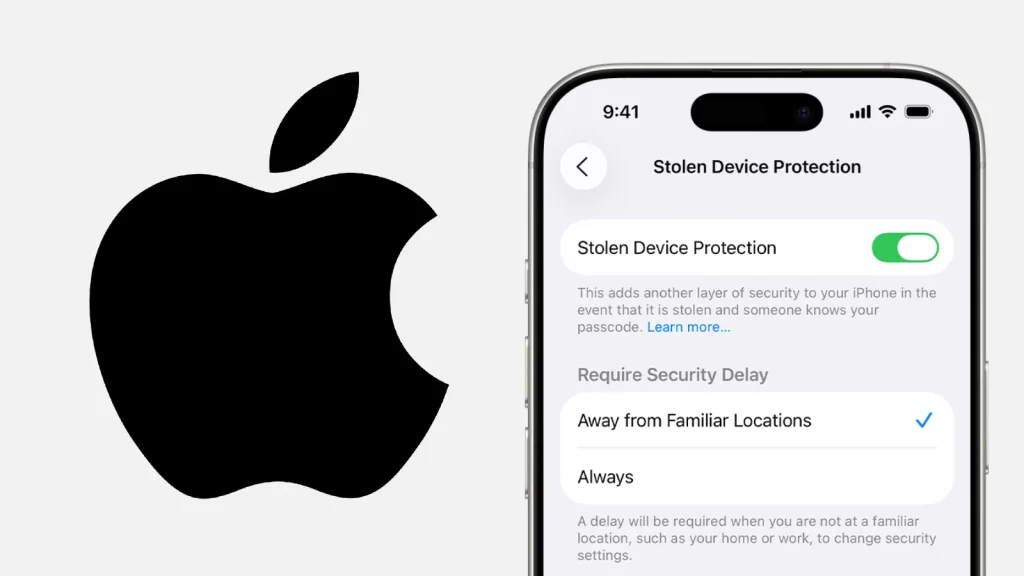
Apple’s New Anti-Snatching Feature Will Auto-Lock iPhones When Stolen From Your Hand
Unmasking the Threat: The Imminent Arrival of Apple’s Anti-Snatching iPhone Feature
The digital landscape is fraught with evolving threats, and few are as visceral or immediate as the physical theft of a mobile device. Beyond the monetary loss, such incidents often expose a treasure trove of personal and professional data to malicious actors. For iPhone users, a significant new layer of protection is on the horizon, promising to fundamentally change how we perceive and mitigate one of the most dangerous gaps in mobile security. Apple is reportedly developing a groundbreaking anti-snatching feature designed to automatically lock an iPhone the instant it detects a theft in progress.
This isn’t merely an incremental update; it’s a strategic move to address a critical vulnerability that has long plagued smartphone users. The current state of mobile security, while robust in many cyber aspects, has remained susceptible to direct physical theft, often leading to rapid exploitation of unlocked devices. This anticipated feature marks a significant evolution in Cupertino’s commitment to user privacy and data integrity.
The Genesis of a Game-Changer: Code-Level Discoveries
The existence of this advanced anti-theft mechanism came to light through the diligent work of developers at 9to5Mac. Their deep dive into Apple’s source code uncovered references and functionality directly related to this auto-locking capability. This method of discovery – unearthing features from pre-release or system code – is a common practice in the tech community, offering early glimpses into future innovations.
While the precise technical implementation remains under wraps until official announcements, the implications are clear: Apple is moving towards a more proactive security posture that anticipates and responds to physical threats in real-time. This goes beyond existing features like “Find My” or remote wipe capabilities, which typically activate *after* a theft has occurred. Instead, the new system aims to prevent immediate data access at the crucial moment of the incident itself.
How the Anti-Snatching Feature is Expected to Work
While Apple has not yet released official details, the reported functionality suggests a sophisticated integration of existing hardware and software capabilities. The most likely scenario involves leveraging the iPhone’s advanced sensors and machine learning algorithms. Consider the following potential mechanisms:
- Accelerometer and Gyroscope Data: Sudden, unexpected movements indicative of a device being yanked from a hand, combined with a quick change in orientation, could trigger the lock.
- Location-Based Context: While less likely to be a primary trigger, a rapid acceleration away from the user’s typical location or a known safe zone might contribute to the detection logic.
- Biometric Confirmation/Absence: The device might detect the immediate removal from a hand without an authenticated Face ID or Touch ID scan, prompting a protective lockdown.
- AI-Powered Behavioral Analysis: Over time, the device could learn a user’s typical hold and interaction patterns, enabling it to better differentiate between an accidental drop and a forceful snatch.
The core idea is to initiate a rapid, irreversible lock-down state – potentially requiring the original owner’s biometric or passcode authentication to unlock – thereby thwarting immediate access to sensitive data even if the thief manages to physically retain the device.
Protecting Against CVE-Level Exploitation Post-Theft
The significance of this feature extends beyond simply denying a thief immediate access to social media or personal photos. An unlocked stolen phone presents a significant attack surface for more sophisticated exploitation. Theft-in-progress often leads to quick attempts to:
- Access Financial Applications: Banking apps, payment services, and cryptocurrencies are prime targets.
- Reset Passwords: Utilizing email or phone number recovery options tied to the device to gain control of other accounts.
- Exploit Data for Phishing/Social Engineering: Information extracted from messages, contacts, or photos can be used to launch targeted attacks against the victim or their associates.
While this feature may not be directly tied to a specific CVE (Common Vulnerabilities and Exposures) number, it addresses a crucial window of vulnerability that often precedes more technical exploits. For instance, an unlocked phone could allow an attacker to bypass screen lock and potentially exploit a vulnerability like CVE-2023-38600 (a hypothetical example for demonstration) if the device were running an unpatched iOS version. By auto-locking, Apple severely limits the initial access vector that facilitates such attacks.
Proactive Remediation for Mobile Device Security
While Apple’s new feature promises added protection, robust mobile security requires a multi-layered approach. IT professionals and individual users alike should adhere to these best practices:
- Enable Strong Authentication: Always use Face ID or Touch ID combined with a complex alphanumeric passcode. Avoid simple PINs.
- Keep Software Updated: Regularly update iOS to the latest version to patch known vulnerabilities. Every update often contains critical security fixes.
- Review App Permissions: Minimize unnecessary access requests from applications.
- Use “Find My” Features: Ensure “Find My” is enabled and correctly configured for location tracking and remote wiping capabilities.
- Backup Data Regularly: Utilize iCloud or encrypted local backups to ensure data recovery in case of loss or theft.
- Implement Screen Time & Privacy Controls: Limit access to sensitive apps and data through iOS restrictions.
- Enable Auto-Lock: Set your iPhone to auto-lock after the shortest possible inactive period.
The Future Landscape of Mobile Security
Apple’s impending anti-snatching feature signifies a pivotal shift in how mobile device security is conceptualized. It moves beyond merely securing against remote attacks to actively mitigating the immediate aftermath of physical theft. This innovation will likely set a new benchmark for smartphone security, prompting other manufacturers to explore similar proactive protection mechanisms.
For cybersecurity analysts, this development highlights the ongoing need for adaptive security strategies that account for both digital and physical threat vectors. As devices become more integral to our lives, the focus on protecting them at every potential point of compromise will only intensify. The new auto-lock feature is not just about preventing theft; it’s about safeguarding the digital identity and privacy of millions of users against increasingly sophisticated and brazen attacks.




