
Microsoft Office for the Web and Teams Hit by File Access Outage
A recent service disruption impacting Microsoft Office for the Web and Microsoft Teams users has highlighted the critical dependencies modern organizations place on cloud productivity suites. Users globally reported significant difficulties accessing and opening files, leading to widespread operational interruptions. This incident underscores the importance of resilient cloud infrastructure and proactive incident response in maintaining business continuity.
Microsoft Confirms Widespread File Access Outage
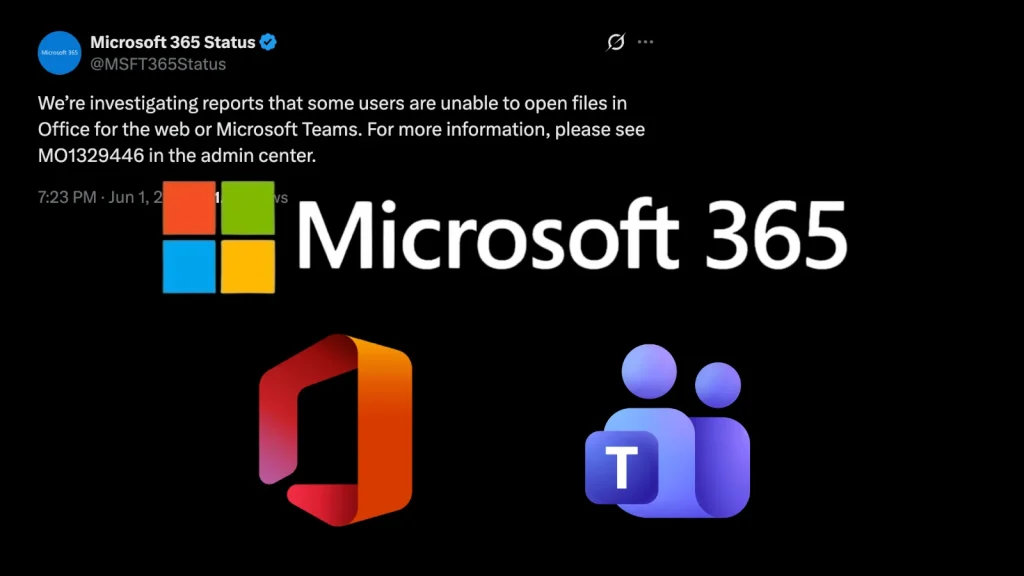
Microsoft officially acknowledged a service disruption that severely hampered file access capabilities for users leveraging Office for the Web and Microsoft Teams. The incident, tracked internally by Microsoft under the identifier MO1329446, involved elevated error rates across its extensive online productivity platform. Numerous user reports surfaced, detailing failures in opening files directly within these applications, indicating a significant break in service functionality.
The disruption directly affected the core utility of these platforms: collaborative document access. For businesses heavily reliant on Microsoft 365, the inability to open crucial documents within Teams or directly through the web-based Office applications translates directly into lost productivity and potential delays in critical operations. Microsoft’s prompt investigation and subsequent confirmation of resolution provided some relief, but the event serves as a stark reminder of the complexities inherent in large-scale cloud service delivery.
Operational Impact on Enterprise Productivity
The immediate consequence of such an outage is a direct hit to enterprise productivity. Organizations that have transitioned to a cloud-first strategy, particularly those utilizing Microsoft Teams for communication and collaboration and Office for the Web for document creation and editing, found their workflows severely interrupted. The inability to access shared documents, project files, and critical data within these platforms can cascade into missed deadlines, stalled projects, and communication breakdowns.
For IT professionals and security analysts, an incident of this nature triggers a series of concerns beyond mere inconvenience. It necessitates an immediate assessment of alternative access methods, communication strategies during an outage, and a review of disaster recovery plans. While this specific incident was a service disruption rather than a security breach, prolonged or recurrent outages can mimic the effects of certain denial-of-service attacks, albeit from an internal infrastructure perspective.
Proactive Measures and Service Resilience
While external factors or malicious intent were not cited as causes for this particular disruption, organizations should use such events as opportunities to strengthen their operational resilience. Robust cloud service agreements (SLAs) and transparent communication from providers like Microsoft are essential, but internal preparedness is equally vital.
- Diversified Access Strategies: While Office for the Web and Teams are primary access points, understanding fallback options for critical document access during an outage is crucial.
- Communication Protocols: Establish clear internal communication channels to inform employees about service disruptions and expected resolutions, preventing widespread panic and ensuring efficient information flow.
- Monitoring and Alerts: Organizations should actively monitor the status of their critical cloud services. While Microsoft provides status updates, independent monitoring can offer an additional layer of awareness.
- Data Backup and Recovery: Ensure robust backup strategies are in place for critical data, regardless of its primary storage location within cloud services. This provides a safety net against various forms of data unavailability.
- Incident Response Planning: Regularly review and update incident response plans to include scenarios involving major cloud service outages, outlining steps for business continuity and recovery.
Conclusion
The recent file access outage affecting Microsoft Office for the Web and Teams users underscores the inherent vulnerabilities of relying heavily on cloud infrastructure. While such incidents are often swiftly addressed by major providers, their impact on businesses can be significant, disrupting workflows and costing valuable time. Organizations must recognize these events not as isolated occurrences but as impetus to fortify their own operational resilience, ensuring they are prepared to navigate the inevitable complexities of a cloud-dependent world.




