
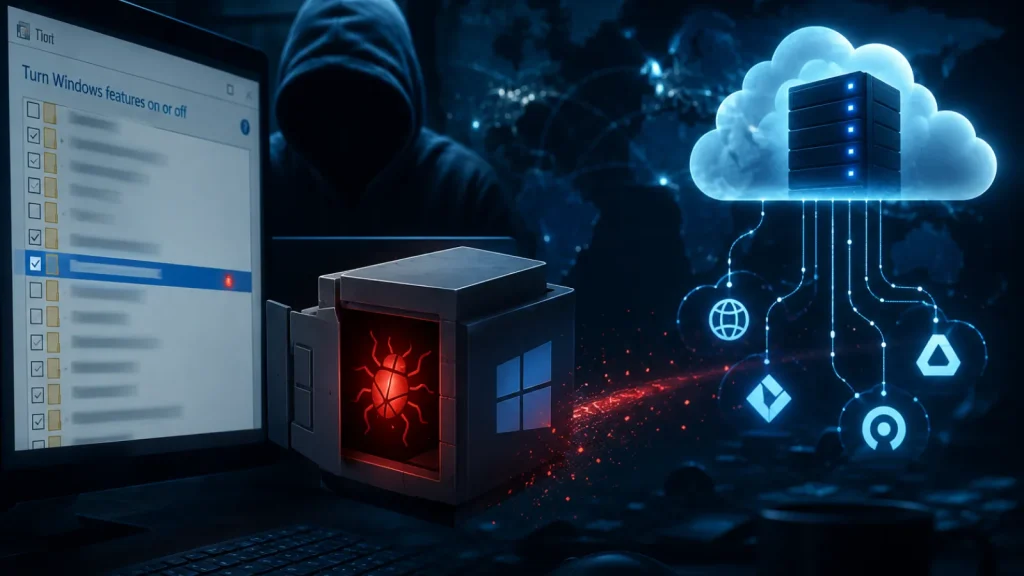
Gamaredon APT Hides Malware in Windows Features and Abuses Cloud Platforms for C2
The digital battlefield is constantly shifting, with nation-state actors continually refining their tactics to achieve persistent access and exfiltrate sensitive data. One such formidable adversary, the Russian state-backed espionage group dubbed Gamaredon (also known as Primitive Bear, Trident Orc, or ACTINIUM), has once again unveiled a sophisticated campaign. This time, they are leveraging an insidious VBScript worm, expertly concealed within native Windows features, while simultaneously abusing popular cloud platforms for covert command-and-control (C2) operations. This ongoing threat, primarily targeting Ukrainian entities, underscores a critical evolution in their operational methodology, highlighting a modular toolset built for stealth, resilience, and sustained infiltration.
Gamaredon’s Evolving Threat Landscape
Gamaredon has long been a persistent force in the cyber espionage arena, particularly active against Ukrainian government and military organizations. Their campaigns are characterized by a strong focus on information gathering and disruption. This latest offensive demonstrates a clear strategic shift towards enhancing their operational security and evasion capabilities. By embedding their malicious payloads within legitimate Windows functionalities, they significantly complicate detection by traditional security solutions.
Stealth Tactics: Hiding in Plain Sight
A core element of Gamaredon’s current campaign is the masterful use of native Windows features to house their VBScript worm. This technique allows their malware to blend seamlessly with normal system operations, making it extremely difficult to differentiate malicious activity from legitimate processes. Instead of relying on easily identifiable custom executables, Gamaredon exploits the inherent trust placed in operating system components. This approach significantly reduces their digital footprint and increases the likelihood of long-term persistence within compromised networks. The specific Windows features leveraged include, but are not limited to, scripting engines and common utility locations that may not always be rigorously monitored.
Abuse of Cloud Platforms for Resilient C2
Beyond local stealth, Gamaredon has adopted a sophisticated approach to their command-and-control infrastructure. They are actively abusing popular cloud services as covert C2 channels. This strategy offers several benefits:
- Evasion: Traffic to legitimate cloud services often bypasses stricter firewall rules and network inspection, as these services are integral to many organizations’ daily operations.
- Resilience: Leveraging widely distributed cloud infrastructure provides a highly resilient C2 network. If one C2 node is identified and blocked, the attackers can quickly pivot to another, often within the same benign cloud service.
- Anonymity: The sheer volume of legitimate traffic associated with these cloud platforms provides a vast ocean in which malicious communications can hide, making attribution and tracking considerably more challenging.
This tactic demonstrates a keen understanding of modern network architectures and security practices, allowing Gamaredon to maintain consistent communication with their implants despite defensive measures.
Modular Toolset for Persistent Access
The campaign further highlights Gamaredon’s commitment to a modular toolset designed for various stages of the attack kill chain. This modularity enables them to deploy specific tools as needed, minimizing the risk of exposure by only introducing necessary components. A typical infection chain might involve an initial VBScript loader, followed by the deployment of additional modules for data exfiltration, reconnaissance, lateral movement, or further persistence. This agile approach allows them to adapt rapidly to changing network conditions and security postures, ensuring prolonged access to target systems.
Remediation Actions and Proactive Defenses
Given the sophisticated nature of Gamaredon’s tactics, organizations, particularly those in critical infrastructure sectors or with ties to geopolitical interests, must adopt a proactive and layered defense strategy. There are no direct CVEs for this specific campaign as it leverages existing, legitimate features and services rather than exploiting a specific vulnerability like CVE-2023-nnnnn (placeholder, as no CVE was provided in the source for this specific threat). However, the following actions are crucial:
- Enhanced Endpoint Detection and Response (EDR): Deploy and meticulously fine-tune EDR solutions to detect anomalous script execution, unusual process relationships, and file modifications, even within native Windows directories. Behavioral analytics are key here.
- Network Traffic Analysis: Implement deep packet inspection and network traffic analysis to identify suspicious patterns in outgoing connections, especially those to popular cloud services. Look for deviations from baseline traffic and unusual data volumes.
- Application Whitelisting: Consider implementing application whitelisting to restrict the execution of unauthorized scripts and executables, thereby limiting the effectiveness of VBScript-based worms.
- User Awareness Training: Continuously train employees on phishing detection and social engineering tactics, as initial access often begins with targeted spear-phishing campaigns.
- Regular Patching and Configuration Management: Maintain a rigorous patching schedule for all operating systems and applications to close off potential avenues for initial exploitation. Strengthen system configurations to reduce attack surfaces.
- Threat Intelligence Integration: Subscribe to and integrate high-fidelity threat intelligence specific to groups like Gamaredon to understand their latest TTPs (Tactics, Techniques, and Procedures).
Conclusion
Gamaredon’s latest campaign is a stark reminder of the persistent and evolving nature of nation-state cyber threats. By mastering the art of hiding malware within native Windows features and weaponizing legitimate cloud platforms for C2, they demonstrate a commitment to stealth and resilience. For cybersecurity professionals, the key takeaway is the necessity of shifting from purely signature-based defenses to a more behavioral, threat intelligence-driven approach. Proactive monitoring, robust endpoint security, and comprehensive network visibility are no longer optional but essential safeguards against adversaries who tirelessly adapt their strategies to maintain an advantage in the shadows.




