LastPass Customer Data Exposed in Klue Supply Chain Attack
The LastPass-Klue Breach: A Stark Reminder of Supply Chain Vulnerabilities and SaaS Risks
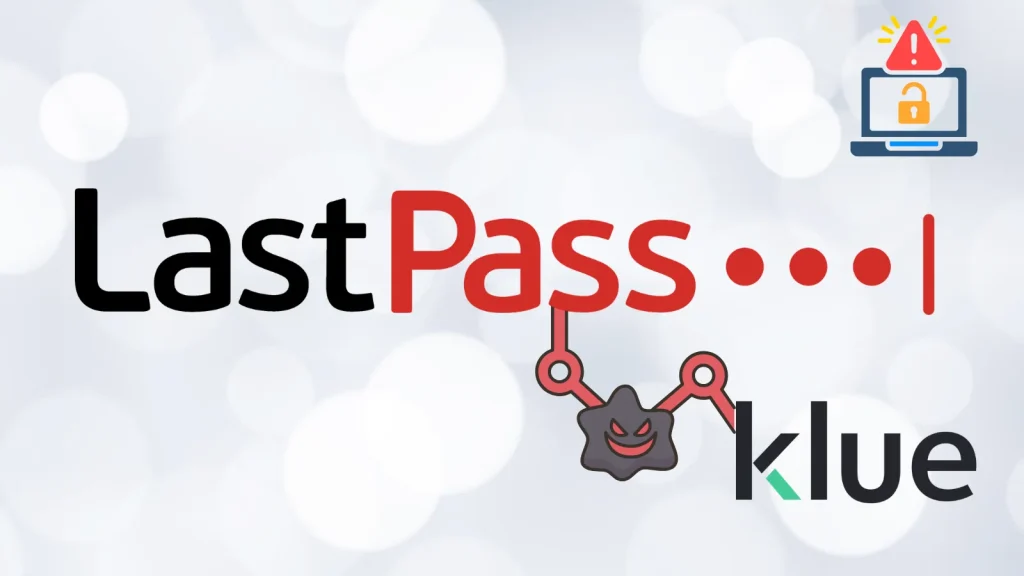
In an ecosystem increasingly reliant on interconnected services, a single point of failure within a third-party vendor can ripple across an organization’s security posture. LastPass, a prominent password management service, recently disclosed such an incident. While its core infrastructure and coveted password vaults remained secure, the breach, stemming from a supply chain attack on their third-party vendor Klue, exposed critical customer data within LastPass’s Salesforce environment. This event serves as a critical case study underscoring the pervasive risks associated with SaaS integrations and the often-overlooked implications of OAuth token exposure.
Understanding the Klue Supply Chain Attack and its Impact on LastPass
The incident originated with Klue, a competitive intelligence platform utilized by LastPass. As a third-party vendor, Klue had authorized access to certain LastPass systems, specifically their Salesforce instance. The precise mechanics of how Klue itself was compromised have not been fully detailed in public disclosures, but the outcome was unauthorized access to LastPass customer data residing within their Salesforce environment.
It is crucial to differentiate what was affected from what was not. LastPass explicitly stated that their core infrastructure, which includes the systems housing user password vaults, was not compromised. This distinction is vital for maintaining user trust and understanding the scope of the exposure. Instead, the breach targeted customer information typically stored within a CRM platform like Salesforce, which can include contact details, company information, and potentially other sensitive business data. The interconnectedness of modern applications means that even peripheral systems, when compromised through a trusted vendor, can still lead to significant data exposure.
The Pervasive Threat of SaaS Integrations and OAuth Token Exposure
This incident vividly highlights two critical areas of modern cybersecurity risk: SaaS integrations and OAuth token exposure. Organizations widely adopt Software-as-a-Service (SaaS) applications for their flexibility and efficiency. However, each integration introduces a potential attack surface. When a SaaS vendor is granted access to an organization’s internal systems, that vendor essentially becomes an extension of the organization’s security perimeter. A compromise within the vendor’s environment can then lead to a direct breach of the client’s data, even if the client’s internal security is robust.
Furthermore, the mention of “OAuth token exposure” in the source content points to another prevalent vulnerability. OAuth (Open Authorization) is an open standard for access delegation, commonly used by internet users to grant websites or applications access to their information on other websites without giving them their password. If an OAuth token is compromised, an attacker can impersonate the legitimate application or user and gain unauthorized access to connected services. This mechanism, while convenient, requires careful management and robust security hygiene to prevent exploitation.
Remediation Actions and Proactive Defenses
While specific details about the LastPass remediation efforts are proprietary, the incident provides valuable lessons for all organizations. Proactive measures are paramount to mitigating similar supply chain and SaaS integration risks.
- Thorough Vendor Security Assessments: Implement a rigorous vetting process for all third-party vendors, including comprehensive security questionnaires, audits, and continuous monitoring of their security posture.
- Principle of Least Privilege: Grant vendors and integrated SaaS solutions only the minimum necessary access to your data and systems. Regularly review and revoke unnecessary permissions.
- Segment and Isolate Critical Data: Where possible, segment sensitive customer data and critical systems to limit the blast radius of a breach.
- Implement Strong API Security: Secure all APIs, including those used for SaaS integrations, with robust authentication, authorization, and rate-limiting controls.
- OAuth Token Management: Implement short-lived OAuth tokens, enforce token revocation mechanisms, and monitor for unusual token usage. Consider using more secure authorization methods where appropriate.
- Regular Security Audits and Penetration Testing: Conduct regular security audits and penetration tests, specifically focusing on third-party integrations and potential supply chain vulnerabilities.
- Employee Training and Awareness: Educate employees on the risks associated with third-party applications and the importance of secure data handling practices.
- Incident Response Planning: Develop and regularly test a comprehensive incident response plan that includes procedures for managing third-party breaches.
The Ongoing Evolution of Supply Chain Attacks
The LastPass-Klue incident is not an isolated event but rather a symptom of a larger trend: the increasing sophistication and frequency of supply chain attacks. Attackers recognize that targeting a widely used, less secure vendor can provide a backdoor into numerous more secure organizations. This necessitates a shift in security strategy, moving from purely defending one’s perimeter to actively assessing and mitigating risks across the entire digital supply chain.
While no specific CVE number has been publicly associated with the Klue compromise affecting LastPass as of the writing of this article, such incidents often involve a collection of vulnerabilities in the target organization’s infrastructure or applications. For information on general vulnerabilities related to OAuth or Salesforce configurations, professionals can refer to databases like the National Vulnerability Database:
For example, exploring potential misconfigurations or vulnerabilities in OAuth implementations:
- CVE-2023-38545 (Example of a recent high-severity vulnerability that could impact token management, though not directly related to Klue’s specific breach). This link is for illustrative purposes only to demonstrate the linking format.
Key Takeaways for a Resilient Security Posture
The LastPass-Klue incident is a potent reminder that an organization’s security is only as strong as its weakest link, which often lies outside its direct control. While LastPass’s core services remained uncompromised, the exposure of customer data due to a third-party vendor’s breach highlights the critical need for robust vendor risk management, meticulous attention to SaaS integration security, and a proactive approach to managing access tokens like OAuth. Enterprises must expand their security lens beyond their immediate infrastructure to encompass their entire digital supply chain to truly safeguard sensitive information.