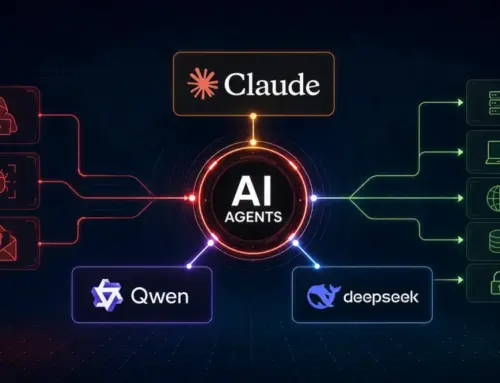
Anthropic’s Claude Code Reportedly Uses Hidden Code to Detect Chinese Users
Unmasking the Shadows: Covert Detection Logic in Anthropic’s Claude Code
The bedrock of trust in the developer community hinges on transparency and ethical conduct. When allegations surface regarding undisclosed functionalities within widely used tools, it sends ripples of concern throughout the cybersecurity landscape. Such is the case with a recent disclosure concerning Anthropic’s Claude Code CLI tool, which has ignited a fervent debate about potential covert surveillance and developer trust. This post delves into the specifics of these allegations, examining the technical implications and broader repercussions for users and the industry at large.
The Reddit Disclosure: A Deep Dive into Allegations
The controversy began with a Reddit post by user LegitMichel777 on the r/ClaudeAI subreddit. This user presented a detailed analysis alleging that Anthropic had embedded undisclosed detection logic within its Claude Code CLI. The core claim is that this hidden code specifically targets users in China or those routing their traffic through Chinese AI lab proxies. If substantiated, these findings point to a significant breach of user expectation and potentially, privacy.
The alleged mechanism involves specific checks within the tool to identify geographic locations or network routing patterns. While the exact methods of detection are under scrutiny, the implication is clear: the tool might be designed to identify and potentially restrict usage based on geopolitical factors, without explicit user consent or knowledge. This raises immediate questions about data collection practices, user profiling, and the ethical boundaries of AI tool development.
Technical Breakdown: How Covert Detection Might Work
While the full technical blueprint of the alleged detection logic remains under investigation, cybersecurity analysts typically look for several indicators. These could include:
- IP Geolocation Checks: The CLI tool might perform queries against IP geolocation databases to determine the user’s estimated physical location.
- Network Hop Analysis: By analyzing traceroute or similar network diagnostic data, the tool could identify intermediary servers, including those within known Chinese network infrastructure.
- DNS Resolution Patterns: Specific DNS server configurations or query patterns might be used as indicators.
- Timezone and Language Settings: While less definitive, these ambient system settings can sometimes contribute to a larger profiling effort.
- Hardcoded IP Ranges/Domains: The tool might contain pre-defined lists of IP addresses or domain names associated with Chinese AI labs or network providers.
The concern isn’t just the detection itself, but its undisclosed nature. Developers and users generally expect transparency regarding how their tools interact with their environment and transmit data. Covert detection mechanisms erode this trust, fostering an environment of suspicion.
Ethical and Privacy Implications for Developers
The allegations against Anthropic’s Claude Code CLI tool extend far beyond a technical flaw; they delve into profound ethical and privacy concerns. Developers, who often rely on open-source tools and transparent practices, are particularly sensitive to such disclosures. The implications include:
- Erosion of Trust: Undisclosed functionalities fundamentally undermine the trust users place in software providers.
- Privacy Violations: Collecting or inferring user location data without explicit consent can constitute a privacy violation, particularly in jurisdictions with stringent data protection laws.
- Censorship and Access Restrictions: If the detection logic leads to restricted access or altered functionality based on location, it raises concerns about censorship and digital equity.
- Supply Chain Security Risks: If a legitimate tool can embed covert detection, it sets a concerning precedent for supply chain integrity.
Organizations and individual developers using such tools must consider the potential impact on their own data governance policies and compliance frameworks. The lack of transparency makes it impossible to fully assess these risks.
Remediation Actions and Best Practices for Users
While the accusations against Anthropic are still being investigated, users of the Claude Code CLI tool, particularly those operating in geopolitically sensitive regions or those concerned about data privacy, should consider the following remediation actions and best practices:
- Network Monitoring: Implement robust network monitoring to detect unusual outbound connections or data transmissions from AI development tools. Tools like Wireshark or network intrusion detection systems (NIDS) can be invaluable.
- Proxy and VPN Usage: When accessing AI services, especially those with geopolitical sensitivities, utilize trusted VPNs or anonymizing proxies to mask your true IP address and encrypt traffic. Ensure these services are reputable and do not log user data.
- Code Auditing: If feasible, thoroughly review the source code of any CLI tool before deployment, especially for closed-source components. Look for suspicious functions, network calls, or data handling mechanisms.
- Virtual Environments: Run AI development tools within isolated virtual machines or containers to limit their access to your host system and network resources.
- Stay Informed: Follow official announcements from Anthropic and independent cybersecurity analyses. Be prepared to update or discontinue use of the tool based on confirmed findings.
- Data Minimization: Avoid providing unnecessary personal or location-specific information when interacting with AI services.
The Path Forward: Restoring Trust and Transparency
The Anthropic Claude Code allegations serve as a potent reminder of the ongoing need for transparency in software development, particularly for tools that are deeply integrated into development workflows. For Anthropic, a clear and comprehensive response is crucial – one that addresses the allegations directly, provides full disclosure of any embedded logic, and outlines steps to restore user confidence. For the wider cybersecurity community, this incident underscores the importance of continuous vigilance, thorough code auditing, and a proactive stance on data privacy and ethical AI development.
Maintaining a secure and trustworthy digital ecosystem depends on the collective commitment to transparency, accountability, and the protection of user data and privacy.