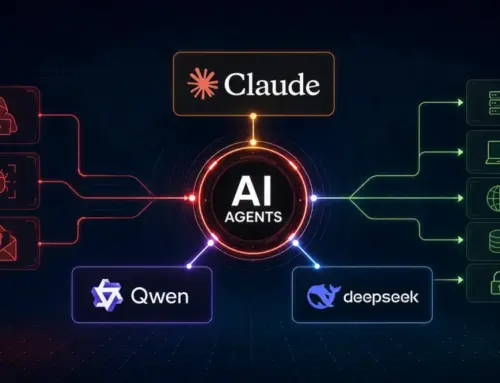
Critical Cursor IDE RCE Vulnerabilities Enable Prompt Injection in Zero-Click
A disturbing revelation has sent ripples through the development community: critical remote code execution (RCE) vulnerabilities have been uncovered in Cursor IDE, the AI-powered development environment trusted by over half of the Fortune 500. These flaws, collectively dubbed “DuneSlide,” open the door to devastating attacks, including the insidious possibility of prompt injection in a zero-click scenario. For developers, security analysts, and IT professionals, understanding these vulnerabilities is paramount to safeguarding sensitive data and intellectual property.
Understanding the “DuneSlide” Vulnerabilities in Cursor IDE
Cato AI Labs recently disclosed two critical RCE vulnerabilities within the Cursor IDE, assigned CVE-2026-50548 and CVE-2026-50549. Both vulnerabilities carry an alarming CVSS severity score of 9.8, categorizing them as critical. These flaws enable attackers to break out of the intended secure environment of the IDE, gaining unauthorized control over the underlying system. The “zero-click” nature of these exploits means a user doesn’t even need to interact with a malicious link or file for an attack to be successful – simply opening a compromised project or being targeted by a sophisticated adversary could be sufficient.
The Threat of Prompt Injection via RCE
The convergence of RCE and AI-powered development environments like Cursor IDE introduces a new and alarming attack vector: prompt injection. When an attacker achieves RCE, they can manipulate the environment in which the AI assistant operates. This allows them to inject malicious prompts or instructions directly into the AI’s processing pipeline, potentially leading to:
- Malicious Code Generation: The AI could be tricked into generating harmful code snippets that are then integrated into legitimate projects.
- Data Exfiltration: Sensitive project data or API keys could be extracted and sent to attacker-controlled servers.
- Backdoor Insertion: The AI could be coerced into creating hidden backdoors or vulnerabilities in the codebase.
- Supply Chain Attacks: Compromised code generated by the AI could propagate through software supply chains, impacting numerous downstream users.
This bypasses traditional security controls, as the AI is essentially being weaponized from within a trusted environment.
Impact on Fortune 500 Enterprises
The fact that Cursor IDE is used by over half of Fortune 500 companies underscores the potential for widespread and severe impact. Organizations relying on this IDE must understand that a successful exploit could lead to:
- Intellectual Property Theft: Source code, proprietary algorithms, and trade secrets are at significant risk.
- Espionage and Sabotage: Attackers could introduce flaws, backdoors, or logic bombs into critical software.
- Reputational Damage: Data breaches and compromised software erode customer trust and brand reputation.
- Regulatory Penalties: Non-compliance with data protection regulations could result in substantial fines.
Remediation Actions for Cursor IDE Users
Immediate action is required to mitigate the risks posed by these critical vulnerabilities:
- Aggressively Patch and Update: Prioritize and immediately apply any security patches or updates released by Cursor IDE. Ensure automated update mechanisms are enabled where possible.
- Isolate Development Environments: Implement strict network segmentation and utilize virtualized or containerized development environments to limit the blast radius of a potential RCE.
- Implement Least Privilege: Ensure developers and Cursor IDE itself operate with the absolute minimum necessary permissions.
- Enhanced Code Review: Increase scrutiny during code review processes, especially for AI-generated code, looking for anomalies or suspicious patterns that might indicate prompt injection.
- Endpoint Detection and Response (EDR): Deploy and meticulously monitor EDR solutions on all developer workstations to detect and respond to suspicious activities indicative of RCE.
- Threat Hunting: Proactively search for signs of compromise within development environments, including unusual process activity or outbound connections.
- Developer Education: Train developers on the risks of supply chain attacks, AI prompt injection, and secure coding practices.
Recommended Security Tools
| Tool Name | Purpose | Link |
|---|---|---|
| OWASP Dependency-Check | Identifies known vulnerabilities in project dependencies. | https://owasp.org/www-project-dependency-check/ |
| Snyk | Automated scanning for vulnerabilities in code, dependencies, and containers. | https://snyk.io/ |
| Black Duck Software Composition Analysis | Discovers and manages open source and third-party components for security and license compliance. | https://www.synopsys.com/software-integrity/products/software-composition-analysis/black-duck.html |
| GitGuardian | Detects secrets, credentials, and API keys leaked in code. | https://www.gitguardian.com/ |
Key Takeaways
The discovery of the “DuneSlide” RCE vulnerabilities (CVE-2026-50548 and CVE-2026-50549) in Cursor IDE represents a significant threat to software development and intellectual property. The ability to achieve zero-click remote code execution and subsequently inject malicious prompts into an AI-powered development environment highlights an evolving attack landscape. Organizations must prioritize applying patches, implementing robust security controls, and fostering a culture of security awareness among their development teams to defend against these critical threats. The integrity of enterprise software development hinges on immediate and decisive action.