
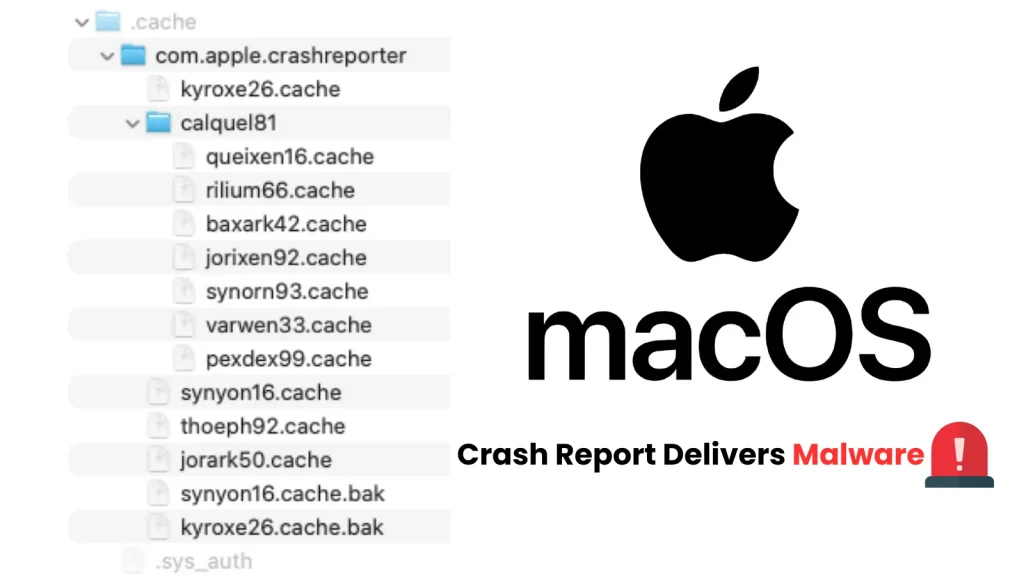
New macOS Stealer Mimics Apple’s Crash Report Framework to Steal Browser Credentials
In the constant battle against evolving cyber threats, a new contender has emerged, specifically targeting macOS users with a deceptive tactic. This sophisticated infostealer, dubbed CrashStealer, masquerades as a benign Apple crash report utility, silently siphoning off sensitive user data. Understanding the intricacies of this threat is paramount for safeguarding your digital assets and maintaining robust cybersecurity posture.
CrashStealer: A Deceptive New macOS Infostealer
Recent discoveries by cybersecurity firm Jamf have revealed a stealthy new threat to macOS users: CrashStealer. This native C++ infostealer employs a cunning disguise, mimicking Apple’s legitimate crash reporting framework to infiltrate systems unnoticed. Its primary objective is to harvest a wide array of credentials and sensitive information, posing a significant risk to individual users and organizations alike.
Modus Operandi: How CrashStealer Operates
CrashStealer’s operational strategy is built on deception. By posing as a standard crash-reporting utility – a framework users are accustomed to seeing on macOS – it gains a level of implicit trust. Once established, the malware systematically targets a variety of high-value data points:
- Browser Credentials: Usernames and passwords stored in web browsers are a prime target, granting attackers access to online accounts.
- Cryptocurrency Wallets: The theft of cryptocurrency wallet data can lead to irreversible financial losses.
- Password Manager Data: Compromise of a password manager can expose an individual’s entire digital identity.
- Keychain Contents: macOS Keychain stores a multitude of sensitive items, including passwords, private keys, and certificates, making it a lucrative target.
After successfully exfiltrating this data, CrashStealer takes an additional step: encrypting the stolen information. This encrypted data is then sent to a remote command-and-control (C2) server, completing the exfiltration process. The ability to encrypt data adds another layer of obfuscation, making forensic analysis more challenging.
Technical Indicators and Discovery
The initial discovery of a suspicious CrashStealer sample occurred in early May 2026, when Jamf identified it on VirusTotal. This early detection highlights the continuous vigilance required in the cybersecurity landscape and the value of threat intelligence platforms in identifying emerging malware strains. While specific CVE numbers related to this particular piece of malware are not yet publicly assigned, it’s crucial for security professionals to monitor emerging threat advisories for potential associated identifiers.
Remediation Actions: Protecting Your macOS Environment
Given the sophisticated nature of CrashStealer, proactive and multi-layered security measures are essential for macOS users. Here’s actionable advice to mitigate the risk:
- Software Updates: Regularly update your macOS operating system, web browsers, and all installed applications. Apple frequently releases security patches that address vulnerabilities exploited by malware.
- Antivirus/Endpoint Detection and Response (EDR): Deploy a reputable antivirus or EDR solution specifically designed for macOS. These tools can detect and block known malware signatures and suspicious behaviors.
- Strong, Unique Passwords: Practice strong password hygiene. Use unique, complex passwords for all your online accounts and consider a reputable password manager.
- Multi-Factor Authentication (MFA): Enable MFA wherever possible, especially for critical accounts like email, banking, and social media. This adds an extra layer of security, even if your credentials are stolen.
- Backup Critical Data: Regularly back up important data to secure, offline storage to minimize the impact of data loss in case of a compromise.
- User Education: Educate users about phishing attempts and suspicious emails that might deliver malware. Emphasize caution when opening attachments or clicking links from unknown sources.
- Monitor Network Traffic: Implement network monitoring to detect unusual outbound connections or communication with known malicious C2 servers.
Tools for Detection and Mitigation
Security professionals and advanced users can leverage various tools to enhance their macOS defense posture:
| Tool Name | Purpose | Link |
|---|---|---|
| Jamf Protect | macOS Endpoint Security, Threat Prevention, and Remediation | https://www.jamf.com/products/jamf-protect/ |
| BlockBlock | Notifies when anything persistently adds itself to macOS | https://objective-see.com/products/blockblock.html |
| LuLu | Free Open-Source macOS Firewall | https://objective-see.com/products/lulu.html |
| VirusTotal | Online service for analyzing suspicious files and URLs | https://www.virustotal.com/ |
Conclusion
The emergence of CrashStealer underscores the persistent and evolving nature of threats targeting macOS. Its sophisticated mimicry of a legitimate system function highlights the need for continuous vigilance and proactive security measures. By understanding its operational tactics and implementing the recommended remediation actions and tools, macOS users can significantly strengthen their defenses against this and future infostealer campaigns. Staying informed about emerging threats remains a cornerstone of effective cybersecurity.




