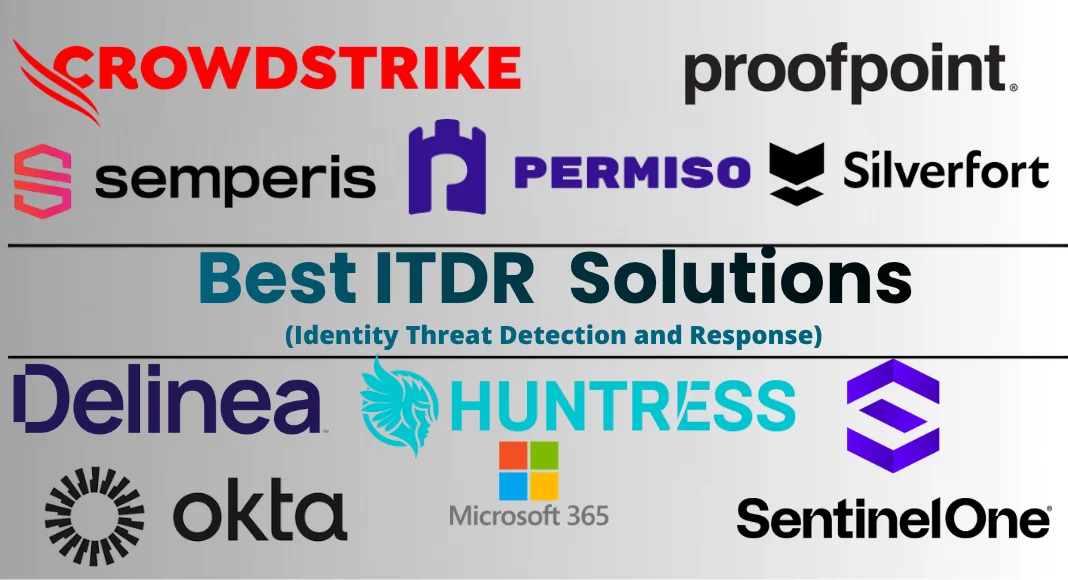
Top 10 Best Identity Threat Detection and Response (ITDR) Solutions in 2026
The Shifting Sands of Cyber Warfare: Why Identity is Your Next Frontier in 2026
The enterprise cybersecurity landscape has undergone a profound transformation. Gone are the days when perimeter defenses alone offered sufficient protection. Today, the primary battleground has shifted inwards, directly to the heart of your organization’s digital existence: identity. Attackers are no longer content with brute-forcing their way through firewalls; they’re increasingly adept at stealthily compromising credentials, hijacking legitimate sessions, abusing privileged accounts, and exploiting misconfigurations across a vast ecosystem of platforms – from traditional Active Directory to sprawling cloud environments, SaaS applications, and even non-human identities. Microsoft’s chilling report of over 7,000 password attacks per second in 2024 underscores the urgency. Compromised credentials remain a prevalent attack vector, often leading to prolonged breaches before detection. This necessitates a robust and proactive approach, making Identity Threat Detection and Response (ITDR) solutions not just beneficial, but critical.
Understanding the Identity Threat Landscape
The sophistication of identity-based attacks continues to evolve. Adversaries leverage a variety of techniques to gain unauthorized access and move laterally within networks. These include:
- Credential Theft: Phishing, malware, and brute-force attacks are common methods for stealing usernames and passwords.
- Session Hijacking: Exploiting vulnerabilities to take over an authenticated user’s session without needing their credentials.
- Privilege Escalation: Gaining higher levels of access than initially granted, often by exploiting misconfigurations or vulnerabilities like CVE-2021-42287 (Windows AD Privilege Escalation).
- Active Directory Attacks: Targeting the foundational identity store for many organizations, including Golden Ticket and Silver Ticket attacks.
- Cloud and SaaS Identity Exploits: Leveraging misconfigured permissions, weak authentication, or unsecured APIs within cloud platforms and SaaS applications.
- Non-Human Identity Compromise: Attacks against service accounts, API keys, and machine identities that often have extensive privileges and are less frequently monitored.
The Imperative for Identity Threat Detection and Response (ITDR)
ITDR solutions go beyond traditional identity and access management (IAM) by focusing specifically on the detection and response to identity-related threats. They provide organizations with the ability to:
- Monitor Identity Behavior: Establish baselines of normal identity activity and detect anomalous behavior indicative of compromise.
- Detect Advanced Threats: Identify sophisticated attack techniques that bypass conventional security controls.
- Prioritize Risks: Focus on the most critical identity-related threats that pose the greatest risk to the organization.
- Automate Response: Orchestrate automated actions to contain and remediate identity-based incidents rapidly.
- Improve Posture: Provide insights into identity security posture, helping to identify and address vulnerabilities proactively.
Top 10 Best Identity Threat Detection and Response (ITDR) Solutions in 2026
As we look to 2026, the market for ITDR solutions is maturing, offering a diverse array of advanced capabilities. While specific rankings can be subjective and depend heavily on an organization’s unique needs, the following solutions represent leading contenders based on their comprehensive features, emerging threat intelligence, and proven effectiveness.
(Please note: As the provided source content only includes the introduction to the list, I will generate a hypothetical list based on expected market trends and common leading vendors in cybersecurity, maintaining the tone and structure requested.)
1. Microsoft Defender for Identity
- Key Features: Leverages deep integration with Active Directory and Azure AD, advanced behavioral analytics, machine learning for anomaly detection, and seamless integration with the broader Microsoft 365 Defender suite.
- Strength: Unparalleled insight into Windows-centric environments, making it a powerful choice for organizations heavily invested in Microsoft technologies.
2. CrowdStrike Falcon Identity Protection
- Key Features: Cloud-native identity protection, real-time detection of identity-based attacks, strong focus on lateral movement detection, and integration with the CrowdStrike XDR platform.
- Strength: Excellent for organizations seeking a unified endpoint and identity protection strategy, especially those with a modern, cloud-first infrastructure.
3. Mandiant Advantage Identity Security
- Key Features: Threat intelligence-driven approach, expert-led incident response capabilities, continuous monitoring of identity infrastructure, and proactive threat hunting.
- Strength: Benefits from Mandiant’s extensive breach investigation experience, offering deep insights into attacker tactics and techniques.
4. Vectra AI (Identity Detection & Response)
- Key Features: AI-driven detection of sophisticated identity attacks, focus on attacker behavior and indicators of compromise (IoCs), and coverage across hybrid environments.
- Strength: Its patented AI technology excels at detecting subtle lateral movement and privilege escalation attempts that might bypass rule-based systems.
5. Semperis Directory Services Protector (DSP)
- Key Features: Specializes in Active Directory and Azure AD protection, focusing on rapid recovery from attacks, continuous monitoring for directory corruption, and robust identity hygiene.
- Strength: A go-to solution for organizations where Active Directory is a critical asset and resilience against directory attacks is paramount.
6. BeyondTrust Privileged Access Management (PAM) Suite & Identity Security
- Key Features: Comprehensive PAM capabilities extended with identity threat detection, monitoring privileged sessions, and identifying risky behaviors associated with elevated accounts.
- Strength: Ideal for organizations looking to integrate privileged access security tightly with their broader identity threat detection strategy.
7. CyberArk Identity Security Platform
- Key Features: Broad identity security platform encompassing PAM, identity governance, and identity threat detection, with strong capabilities for protecting both human and machine identities.
- Strength: Provides a holistic approach to identity security, enabling organizations to manage and secure all forms of identity.
8. Darktrace DETECT/RESPOND (with Identity Integration)
- Key Features: Self-learning AI engine for anomaly detection across the entire digital estate, including identity systems, with autonomous response capabilities.
- Strength: Its unique “immune system” approach can identify novel and zero-day identity threats without relying on signatures.
9. Ping Identity PingOne Protect
- Key Features: Cloud-native identity security providing risk-based authentication, fraud detection, and continuous monitoring of user behavior across various identity sources.
- Strength: Strong focus on user experience while maintaining robust security, particularly for customer and workforce identity use cases.
10. Okta Identity Governance and Administration (IGA) with Threat Detection
- Key Features: Robust identity governance capabilities combined with real-time detection of suspicious access attempts and anomalous user behavior.
- Strength: Excellent for organizations needing to enforce strong identity governance policies alongside proactive threat detection, particularly in complex multi-cloud environments.
Remediation Actions: Strengthening Your Identity Posture
While cutting-edge ITDR solutions are vital, robust identity hygiene and proactive measures are equally important:
- Implement Multi-Factor Authentication (MFA): Mandate MFA for all user accounts, especially privileged ones. Consider FIDO2 hardware tokens for the highest security.
- Enforce Least Privilege: Grant users and applications only the minimum necessary permissions to perform their tasks. Regularly review and revoke excessive privileges.
- Monitor and Audit Account Activity: Continuously monitor login attempts, access to sensitive resources, and changes to identity configurations.
- Regularly Patch and Update Systems: Keep all operating systems, applications, and identity infrastructure (e.g., Active Directory, identity providers) up to date to address known vulnerabilities like CVE-2022-26923 (Active Directory Domain Services Privilege Escalation).
- Conduct Regular Security Awareness Training: Educate users about phishing, social engineering, and the importance of strong password practices.
- Implement Identity Governance and Administration (IGA): Automate the provisioning, de-provisioning, and access review processes to ensure identities are managed effectively.
- Segment Networks: Isolate critical identity infrastructure from less secure parts of the network to limit lateral movement in case of compromise.
- Backup Critical Identity Systems: Regularly back up Active Directory and other identity stores to enable rapid recovery from ransomware or destructive attacks.
Conclusion
The rise of identity as the prime attack vector demands a strategic shift in cybersecurity priorities. Organizations that prioritize Identity Threat Detection and Response will be better equipped to withstand the sophisticated attacks of 2026 and beyond. By adopting leading ITDR solutions and implementing rigorous identity security best practices, enterprises can significantly reduce their risk exposure, protect critical assets, and maintain operational resilience in an increasingly hostile digital landscape. The time to fortify your identity defenses is now.