Russian University Leak Exposes GRU Cyber Training Pipeline Behind APT28 and Sandworm
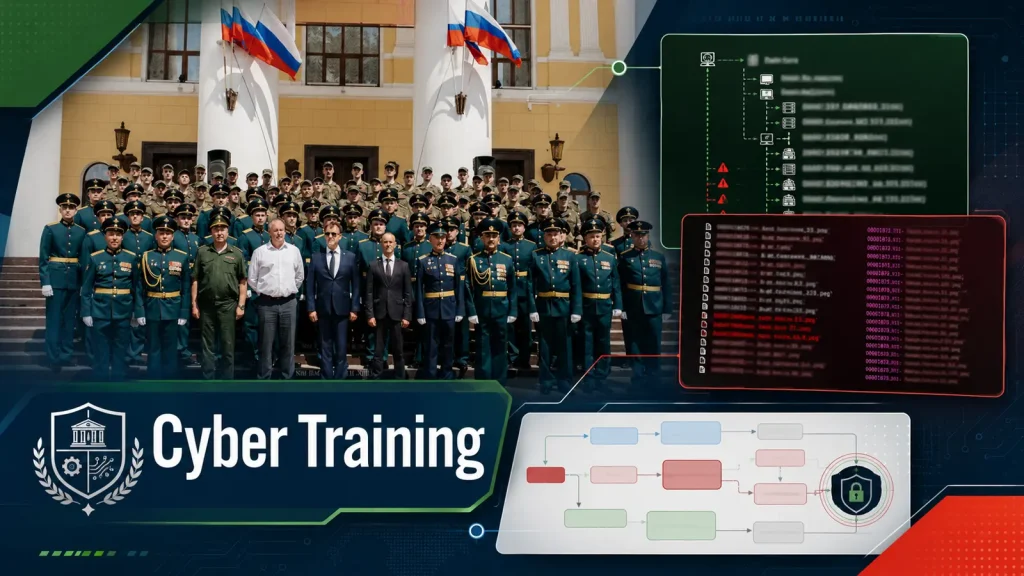
A recent data leak from a Russian university has peeled back the curtain on a sophisticated, state-sponsored cyber training operation. Far from exposing a new piece of malware, these leaked records provide an unprecedented look into the structured pipeline feeding talent directly into notorious Russian military intelligence (GRU) units, including those behind the APT28 and Sandworm advanced persistent threat groups. This discovery fundamentally shifts our understanding of how these highly effective and disruptive cyber actors are developed, trained, and deployed.
The Genesis of GRU Cyber Talent: A University Pipeline
The leaked university records offer an unusual and detailed insight into Russia’s military cyber ecosystem. Rather than revealing a zero-day exploit or a novel piece of malicious code, the documents highlight a well-defined training program designed to cultivate cyber operators. This program, it appears, acts as a direct feeder system for GRU units, particularly those associated with the formidable APT28 and Sandworm groups.
APT28, also known as Fancy Bear, Strontium, or Pawn Storm, has been implicated in numerous high-profile cyber espionage campaigns, including interference in democratic processes. Sandworm, another GRU-linked group (also known as BlackEnergy or Voodoo Bear), is infamous for its destructive cyberattacks on critical infrastructure, such as the Ukrainian power grid incidents.
Understanding APT28 and Sandworm’s Operational Reach
The significance of this leak cannot be overstated. It confirms suspicions that these groups are not merely collections of individual hackers but rather highly organized, state-sponsored entities with a consistent flow of trained personnel. The findings directly link these training initiatives to groups responsible for:
- Espionage: Stealing sensitive information from government agencies, political organizations, and critical industries.
- Credential Theft: Compromising accounts to gain access to networks and systems.
- Sabotage: Disrupting or destroying critical infrastructure, as seen in the Ukrainian power grid attacks attributed to Sandworm.
- Disinformation Campaigns: Spreading false information to influence public opinion or sow discord.
While the specific curriculum details of this university program remain under analysis, the revelation of its existence provides a critical piece of the puzzle in understanding the operational capabilities and sustained threat posed by these GRU-backed groups.
Implications for Global Cybersecurity
This leak underscores several crucial points for cybersecurity professionals and policymakers:
- State-Sponsored Training Programs: It confirms the dedicated and structured approach some nation-states take to cultivate cyber warfare capabilities.
- Long-Term Threat Persistence: The pipeline ensures a continuous supply of skilled operators, indicating that the threat from groups like APT28 and Sandworm will persist and evolve.
- Attribution Challenges: While the leak links training to GRU, the obfuscation inherent in such programs can still make direct attribution of specific attacks difficult.
- Focus on Human Capital: Beyond tools and exploits, the human element – the trained analyst, developer, and operator – is paramount in state-sponsored cyber operations.
Remediation Actions and Defensive Strategies
Understanding the adversary’s training pipeline reinforces the need for robust and multi-layered defenses. Organizations must prioritize the following actions:
- Enhance Threat Intelligence: Stay updated on the tactics, techniques, and procedures (TTPs) associated with APT28 and Sandworm. This includes monitoring alerts related to potential campaigns and indicators of compromise (IoCs).
- Strengthen Identity and Access Management (IAM): Implement strong, unique passwords, multi-factor authentication (MFA) across all critical accounts, and regular access reviews. Credential theft is a primary tactic.
- Network Segmentation: Isolate critical systems and data to limit lateral movement in the event of a breach.
- Endpoint Detection and Response (EDR) / Extended Detection and Response (XDR): Deploy advanced solutions to detect and respond to suspicious activities on endpoints and across the network.
- Regular Security Audits and Penetration Testing: Proactively identify and address vulnerabilities in your systems and applications.
- Employee Security Awareness Training: Educate staff on phishing, social engineering, and other common attack vectors used to gain initial access.
- Incident Response Plan: Develop and regularly test a comprehensive incident response plan to minimize the impact of a successful attack.
While this particular leak did not disclose specific vulnerabilities, the general activities of APT28 and Sandworm often exploit well-known weaknesses. For example, common vulnerabilities often leveraged for initial access or privilege escalation include those in publicly facing services or unpatched software. Staying current with patches and updates for all software and operating systems is paramount. Regular vulnerability scanning can help identify common vulnerabilities such as those listed in the Common Vulnerabilities and Exposures (CVE) database.
| Tool Name | Purpose | Link |
|---|---|---|
| Nmap | Network discovery and security auditing | https://nmap.org/ |
| Metasploit Framework | Penetration testing and exploit development | https://www.metasploit.com/ |
| Wireshark | Network protocol analyzer | https://www.wireshark.org/ |
| Yara | Pattern matching for malware detection | https://virustotal.github.io/yara/ |
| Elastic Security | SIEM, endpoint security, and threat hunting | https://www.elastic.co/security |
Key Takeaways from the Russian University Leak
The leak from the Russian university serves as a stark reminder of the sophisticated and sustained nature of state-sponsored cyber threats. It confirms the existence of a dedicated training pipeline directly feeding highly capable operators into notorious GRU-linked groups like APT28 and Sandworm. This structure ensures a continuous supply of talent for espionage, sabotage, and disruption campaigns. For cybersecurity defenders, this intelligence reinforces the need for robust, multi-layered security strategies, a proactive threat intelligence posture, and a persistent focus on securing the human element and critical infrastructure against determined adversaries.