JFrog Artifactory Auth Bypass Exploited in Attacks to Gain Admin Access
Urgent Alert: JFrog Artifactory Authentication Bypass Under Active Exploitation
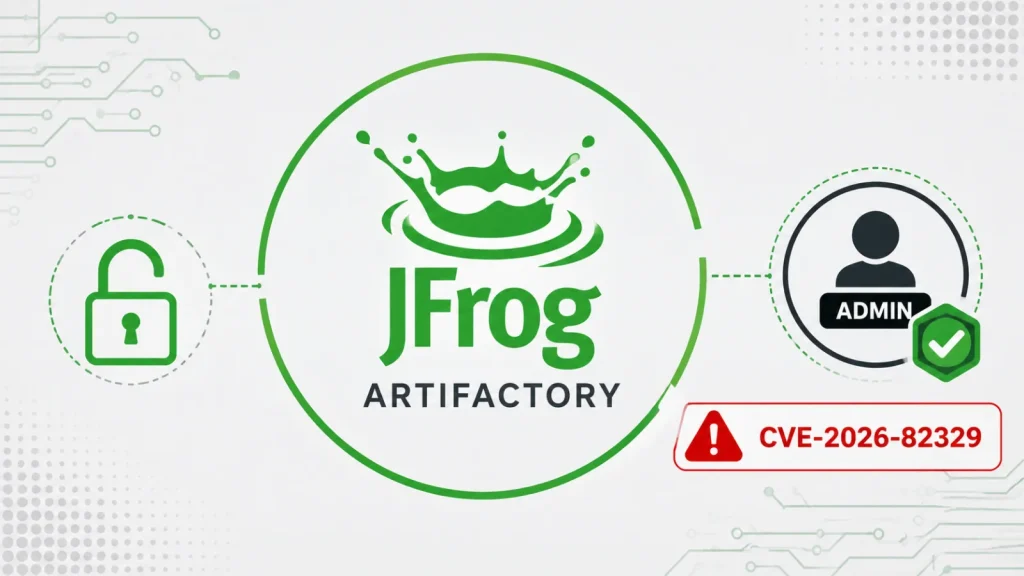
The digital landscape is currently witnessing a critical threat unfolding, directly impacting organizations utilizing JFrog Artifactory. A severe authentication bypass vulnerability, identified as CVE-2026-82329, is actively being exploited in the wild. This flaw permits unauthenticated attackers with network access to achieve administrator-level privileges within vulnerable Artifactory instances.
The implications of such an exploit are profound, ranging from complete control over artifact repositories to potential supply chain compromise. This post will delve into the details of this critical vulnerability, its potential impact, and crucial remediation steps to safeguard your environments.
Understanding CVE-2026-82329: The Critical Flaw
At its core, CVE-2026-82329 represents an authentication bypass vulnerability within JFrog Artifactory. This means that despite security measures designed to verify user identities, a specially crafted request or exploit can circumvent these checks entirely. The consequence is dire: an attacker, without providing any legitimate credentials, can gain the highest level of access – administrator privileges.
Cybersecurity firm WatchTowr’s intelligence team has confirmed active exploitation of this issue. Their observations indicate that attackers are successfully “minting themselves admin tokens,” essentially forging authentication credentials to gain unrestricted control. An attacker armed with a valid administrator token can manipulate the affected Artifactory environment at will, including managing repositories, deploying malicious artifacts, and potentially exfiltrating sensitive data.
For more detailed information on this CVE, you can refer to the official NVD entry (though specific details may be pending for a future CVE): CVE-2026-82329
Impact of an Artifactory Administrator Compromise
The compromise of an Artifactory instance via an administrator account presents a catastrophic scenario for any organization. JFrog Artifactory often serves as the central hub for managing software packages, dependencies, and build artifacts across development pipelines. An attacker with admin access could:
- Inject Malicious Code: Replace legitimate software packages with malicious versions, leading to widespread supply chain attacks.
- Data Exfiltration: Access and steal sensitive intellectual property, source code, or proprietary binaries stored within the repositories.
- System Disruption: Delete critical artifacts, corrupt repositories, or otherwise disrupt development and deployment workflows.
- Lateral Movement: Use Artifactory as a pivot point to gain access to other internal systems or cloud environments.
- Reputation Damage: A successful attack can severely damage an organization’s reputation and customer trust.
Remediation Actions: Securing Your JFrog Artifactory
Given the active exploitation of CVE-2026-82329, immediate action is paramount. Organizations running JFrog Artifactory must prioritize patching and implementing robust security measures.
- Patch Immediately: The most critical step is to apply the security patches released by JFrog that address this vulnerability. Consult JFrog’s official security advisories and documentation for the specific versions affected and the recommended update paths.
- Review Access Logs: Scrutinize Artifactory access logs for any unusual or unauthorized login attempts, especially those originating from unexpected IP addresses or associated with administrator accounts.
- Monitor for Suspicious Activity: Implement continuous monitoring for unusual repository modifications, artifact uploads, or user account changes that could indicate a compromise.
- Implement Network Segmentation: Restrict network access to your Artifactory instance as much as possible. Artifactory should not be exposed directly to the public internet unless absolutely necessary and secured with multiple layers of defense.
- Enforce Strong Authentication: While this vulnerability bypasses authentication, strong authentication practices (e.g., multi-factor authentication for all users) are still crucial as a defense-in-depth measure against other threats.
- Regular Backups: Ensure regular and secure backups of your Artifactory data to facilitate recovery in the event of a successful attack.
Tools for Detection and Mitigation
While patching is the primary mitigation, various tools can aid in detecting potential exploitation and enhancing the overall security posture of your Artifactory environment.
| Tool Name | Purpose | Link |
|---|---|---|
| JFrog Platform Dashboard | Centralized management and security insights for JFrog products. | https://jfrog.com/artifactory/dashboard/ |
| SIEM Solutions (e.g., Splunk, ELK Stack) | Centralized log collection, analysis, and alerting for suspicious Artifactory activity. | (Varies by solution) |
| Network Intrusion Detection Systems (NIDS) | Monitor network traffic for signatures of known exploits or unusual communication patterns to/from Artifactory. | (Varies by solution) |
| Vulnerability Scanners (e.g., Tenable, Qualys) | Periodically scan your infrastructure for known vulnerabilities, including those affecting Artifactory. | (Varies by solution) |
Conclusion: A Call to Action for Artifactory Users
The active exploitation of CVE-2026-82329 in JFrog Artifactory demands immediate attention. This authentication bypass vulnerability provides unauthenticated attackers with direct administrator access, posing a severe risk to software supply chains and organizational data. Prioritize applying the necessary patches, diligently review your logs for signs of compromise, and reinforce your overall security posture. Proactive defense and swift action are essential to protect your critical development infrastructure from this ongoing threat.