
Four Malicious npm Packages Steal SSH Keys, Cloud Credentials, and Crypto Wallets
The Silent Threat: Malicious npm Packages Targeting SSH Keys, Cloud Credentials, and Crypto Wallets
The security of our development environments and online assets faces a constant assault. A pervasive threat targeting vital developer resources has recently emerged, leveraging a sophisticated typosquatting campaign. This article unpacks the alarming discovery of four malicious npm packages designed to pilfer critical data, including SSH keys, cloud credentials, and cryptocurrency wallets. For IT professionals, security analysts, and developers, understanding the mechanics of these attacks and implementing robust defenses is paramount.
Understanding the Malicious Campaign
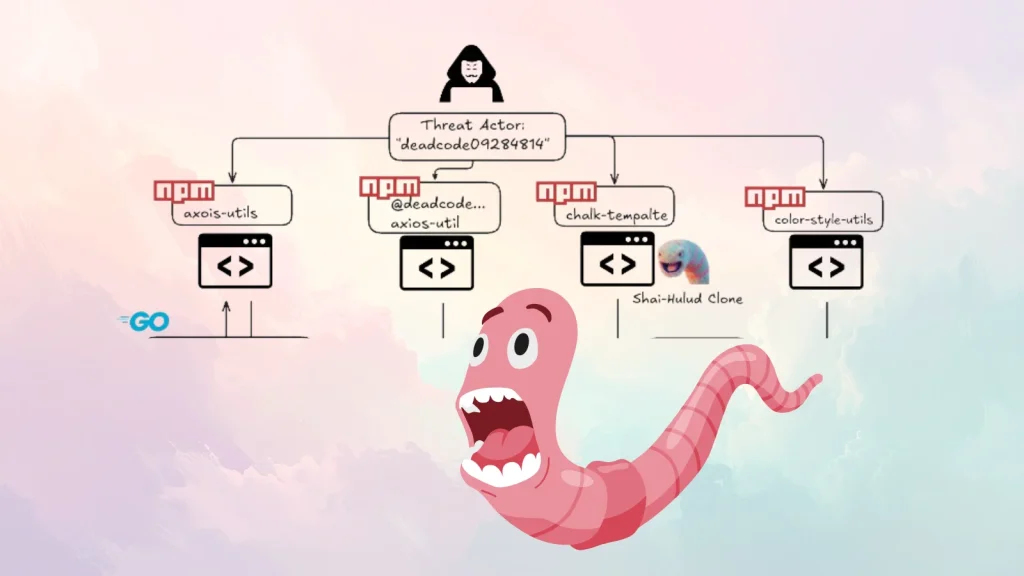
Recent analysis has uncovered a coordinated campaign deploying multiple infostealer variants through a clever typosquatting operation. The primary target appears to be users of the popular JavaScript utility, Axios. By exploiting common typing errors or similar-looking package names, the threat actor aims to trick developers into installing compromised packages. This method, while not new, remains highly effective, demonstrating the importance of vigilance in package dependency management.
The Four Infamous npm Packages: A Deep Dive into Their Malicious Capabilities
These four malicious npm packages operate with distinct but equally dangerous objectives. Collectively, they pose a significant risk to developer workstations and infrastructure. Their capabilities include:
- SSH Key Exfiltration: Gaining unauthorized access to SSH keys allows attackers to compromise servers, version control systems, and other sensitive resources that rely on secure shell protocols for authentication.
- Cloud Credential Theft: Stolen cloud credentials (AWS, Azure, GCP, etc.) provide attackers with a direct pathway into an organization’s cloud infrastructure, potentially leading to data breaches, resource abuse, and financial loss.
- Cryptocurrency Wallet Pilfering: For developers active in the blockchain space, the theft of cryptocurrency wallet seed phrases or private keys can result in irreversible financial losses.
- Environment Variable Extraction: Environment variables often contain sensitive information like API keys, database connection strings, and other secrets. Their unauthorized access can unlock various backend systems.
- DDoS Botnet Recruitment: One particularly insidious variant is capable of quietly transforming infected machines into nodes within a distributed denial-of-service (DDoS) botnet. This not only compromises the infected system but also contributes to larger-scale attacks on other targets, further escalating the impact.
The coordinated nature of these packages and their diverse attack vectors highlight a sophisticated threat actor aiming for maximum impact across various critical digital assets.
Typosquatting: The Entry Point
The success of this campaign hinges on typosquatting. This technique involves registering domain names or package names that are intentionally misspelled versions of legitimate, popular ones. When developers make a typo during installation (e.g., typing axois instead of axios), they inadvertently pull down the malicious package. This emphasizes the critical need for verifying package authenticity before installation, especially for widely used libraries.
Remediation Actions for Developers and Organizations
Protecting against these types of supply chain attacks requires a multi-layered approach. Proactive measures and incident response capabilities are essential.
- Strict Package Verification: Always double-check package names before installation. Prefer official sources and verify package integrity using checksums or signatures where available.
- Dependency Auditing: Regularly audit your project’s npm dependencies for known vulnerabilities and suspicious packages. Tools like
npm auditcan help, but consider more comprehensive supply chain security solutions. - Principle of Least Privilege: Limit the permissions of your development environment and tools. If a package doesn’t need network access or file system write permissions outside its scope, restrict it.
- Credential Management: Use strong, unique credentials and implement multi-factor authentication (MFA) for all sensitive accounts, especially cloud providers and SSH access. Avoid hardcoding credentials in code or environment variables where possible. Utilize secure secret management solutions.
- Network Segmentation: Isolate development environments from production where feasible. This limits the lateral movement of malware should an infection occur.
- Endpoint Detection and Response (EDR): Deploy EDR solutions on developer workstations to detect and respond to suspicious activity, including attempts to exfiltrate sensitive files.
- Security Awareness Training: Educate developers on the risks of supply chain attacks, typosquatting, and the importance of verifying package sources.
- Regular Backups: Maintain regular, secure backups of critical data, including SSH keys and configuration files, to facilitate recovery in case of compromise.
Tools for Detection and Mitigation
| Tool Name | Purpose | Link |
|---|---|---|
npm audit |
Identifies known vulnerabilities in npm dependencies. | https://docs.npmjs.com/cli/v8/commands/npm-audit |
| Snyk | Automated security for open source dependencies, scanning for vulnerabilities and licensing issues. | https://snyk.io/ |
| Dependabot | Automatically updates dependencies to fix security vulnerabilities. | https://github.com/dependabot |
| OWASP Dependency-Check | Identifies project dependencies and checks if there are any known, publicly disclosed vulnerabilities. | https://owasp.org/www-project-dependency-check/ |
| HashiCorp Vault | Tool for securely accessing secrets and sensitive data. | https://www.vaultproject.io/ |
Conclusion
The discovery of these malicious npm packages serves as a stark reminder of the persistent and evolving threats within the software supply chain. From SSH key theft to the creation of DDoS botnets, the potential for damage is extensive. Adopting rigorous security practices, including vigilant dependency management, robust credential protection, and continuous security awareness, is not merely a recommendation but a necessity. Staying informed about emerging threats and actively implementing remediation strategies will be crucial in safeguarding digital assets and maintaining the integrity of development pipelines.




