Layer 2 Switching in SDN Architectures
Layer 2 Switching in SDN Architecture and Software-Defined Networking
SDN represents a paradigm shift in how networks are designed, managed, and operated, moving away from traditional, hardware-centric approaches to a more flexible, software-driven model that includes network topology innovations. This article will delve into the specifics of Layer 2 switching within the context of SDN architecture, highlighting its benefits and challenges. As Teamwin Global Technologica, we recognize the increasing importance of understanding Software-Defined Networking (SDN) and its implications on network infrastructure.
Understanding Software-Defined Networking (SDN)

Definition and Overview of SDN
Software-Defined Networking (SDN) is an innovative network architecture approach that enables the network to be intelligently and centrally controlled, or ‘software-defined’, using software applications. This contrasts with traditional networking, where network devices like routers and switches make forwarding decisions independently. In an SDN environment, the control plane is decoupled from the data plane, allowing network administrators to configure, manage, and optimize network resources dynamically via an SDN controller.
Components of SDN Architecture
The SDN architecture consists primarily of three layers: the application layer, the control layer, and the infrastructure layer. The application layer houses network services and applications that communicate their requirements to the SDN controller.
| Layer | Function |
|---|---|
| Control Layer | Managed by the SDN controller, makes decisions about how to handle network traffic. |
| The Infrastructure Layer is crucial for the deployment of Software-Defined Networking (SDN) solutions that enhance network connectivity. | Composed of network devices like routers and switches, forwards data according to the controller’s instructions, ensuring efficient network operations. |
Comparison with Traditional Networking
Traditional networking relies on individual network devices to make forwarding decisions using routing protocols. This can lead to complexities in network management and scaling. In contrast, SDN offers centralized control, allowing network administrators to manage the entire network from a single point. SDN allows for greater flexibility, programmability, and automation, making it easier to implement new network applications and respond to changing network traffic demands.
Layer 2 Switching in SDN

Role of Layer 2 Switch in SDN
In the context of Software-Defined Networking (SDN), the Layer 2 switch plays a critical role in forwarding traffic within a local area network (LAN) or a specific network segment. Unlike traditional networks where Layer 2 switches operate autonomously, in an SDN environment, the Layer 2 switch works under the direction of the SDN controller. This centralized control allows network administrators to dynamically configure Layer 2 forwarding behaviour, implement access control policies, and optimize network traffic flow, enhancing the overall efficiency and security of the network infrastructure. The Layer 2 switch becomes an integral part of the software-defined networking architecture.
Layer 2 Network Configuration
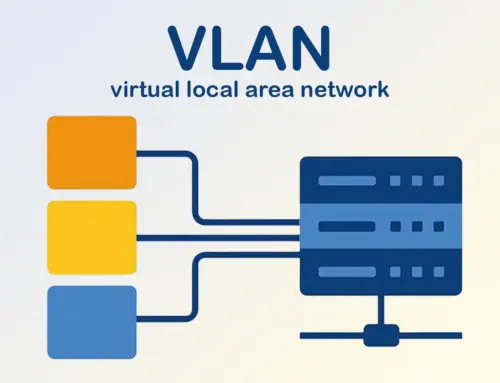
Configuring a Layer 2 network within an SDN architecture involves defining VLANs, setting up port security, and implementing quality of service (QoS) policies. The SDN controller pushes these configurations to the Layer 2 switches, ensuring consistent policy enforcement across the entire network. Furthermore, SDN allows network administrators to easily modify these configurations in response to changing network conditions or security threats. The ability to centrally manage and configure Layer 2 switches greatly simplifies network management and reduces the risk of misconfigurations that can lead to network vulnerabilities in the physical network.
Benefits of Using Layer 2 Switches
Using Layer 2 switches in an SDN environment offers several benefits, including improved network performance, enhanced security, and simplified network management. These advantages can be summarized as follows:
| Benefit | Description |
|---|---|
| Improved Network Performance | Centralized control over Layer 2 forwarding allows for more efficient network traffic routing and reduces the need for complex routing protocols. |
| Enhanced Security | Access control policies can be consistently applied across the entire network, preventing unauthorized access to sensitive network resources. |
| Simplified Network Management | The SDN controller provides a single point of management for all Layer 2 switches, simplifying troubleshooting, monitoring, and configuration tasks. |
In essence, Layer 2 switches optimized through SDN technologies offer a more agile and secure networking infrastructure.
Layer 3 Switching in SDN
Differences Between Layer 2 and Layer 3 Switches
The fundamental difference between Layer 2 and Layer 3 switches lies in their operational scope within the network architecture. Layer 2 switches operate at the data link layer, using Media Access Control (MAC) addresses to forward network traffic within a local area network. In contrast, Layer 3 switches function at the network layer, utilizing IP addresses and routing protocols to forward data between different networks or network segments. The Layer 3 switch can perform routing decisions, thus connecting multiple subnets and facilitating communication across a broader area network, enhancing overall network control.
Integrating Layer 3 Switching in SDN
Integrating Layer 3 switching into a Software-Defined Networking (SDN) environment enhances network capabilities by allowing the SDN controller to manage routing policies centrally. This integration is crucial for optimizing network traffic flow across different network segments. Unlike conventional network setups, an SDN controller can dynamically configure Layer 3 routing tables on network devices, enabling intelligent traffic engineering and Quality of Service (QoS) enforcement. By using SDN, network administrators gain granular control over both Layer 2 and Layer 3 forwarding decisions, simplifying network management and improving overall network performance.
Use Cases for Layer 3 Switches in Software-Defined Networks
Layer 3 switches are invaluable in software-defined networking for advanced routing and segmentation. In virtualized data centers, Layer 3 switches, managed by an SDN controller, can efficiently route traffic between virtual network segments, optimizing resource utilization. Service providers use SDN-enabled Layer 3 switches to offer advanced network services, like VPNs and managed routing, with greater flexibility and control. These SDN solutions, utilizing Layer 3 functionality, offer dynamic network management, enhanced security policies, and improved network performance. As Teamwin Global Technologica, we recommend strategic use of Layer 2 and Layer 3 features in SDN for network control.
Advantages and Benefits of SDN

Enhanced Network Management
Software-Defined Networking (SDN) greatly enhances network management by centralizing control and providing a single pane of glass for administrators to manage network functions and monitor network applications. Through an SDN controller, network administrators can configure, monitor, and troubleshoot the entire network from a central point, simplifying complex tasks. This centralized control allows for automation of network tasks, improving efficiency and reducing the risk of manual errors. The network’s configuration can be adjusted dynamically in response to changing conditions, ensuring optimal network performance and simplified physical network management.
Cost Efficiency and Scalability
Software-Defined Networking (SDN) brings significant cost efficiencies by optimizing the utilization of network resources and reducing operational expenses. By centralizing network control, SDN reduces the need for expensive, proprietary network hardware. SDN allows for easy scaling of network resources to meet changing demands, ensuring that network infrastructure can adapt to future growth. Through software-defined networking, organizations can achieve greater flexibility and cost savings while maintaining high levels of network performance and reliability across the entire network.
Improved Network Performance
SDN improves network performance by allowing for dynamic traffic engineering and resource allocation. The SDN controller can analyze network traffic patterns in real-time and adjust routing policies to optimize data flow, reduce congestion, and minimize latency. Quality of Service (QoS) policies can be implemented consistently across the entire network, ensuring that critical applications receive the necessary bandwidth. Through SDN, network administrators can fine-tune network parameters to meet the specific needs of their applications and users, leading to improved network performance and enhanced user experience across the software-defined network.
Configuring and Managing Layer 2 and Layer 3 Switches
Setting Up Layer 2 Switches in SDN
Setting up Layer 2 switches in an SDN environment requires careful planning and configuration to leverage the benefits of SDN. The SDN controller plays a pivotal role in managing and configuring these switches, ensuring they operate efficiently within the network. Network administrators need to define VLANs, implement access control policies, and set up quality of service (QoS) parameters using the SDN controller. The SDN architecture simplifies this process, allowing for centralized control and consistent policy enforcement across the entire network, which improves network management.
Configuring Layer 3 Switches for Optimal Performance
Configuring Layer 3 switches for optimal performance in a software-defined networking environment involves strategic planning and precise execution. The SDN controller SDN facilitates the management of virtual switches, allowing for more efficient network operations. Layer 3 routing protocols, enabling dynamic adjustments to routing tables. This centralized control SDN optimizes network connectivity and resource allocation for improved performance. network traffic flow and reduces latency. Network administrators can use the SDN controller to configure Quality of Service (QoS) policies. Implementing these policies ensures that critical applications receive the necessary bandwidth. Efficient configuration of Layer 3 switches enhances network performance and ensures smooth network operations.
Best Practices for Managing Layered Networks
Effective management of layered networks, including Layer 2 and Layer 3 switches within a software-defined networking The SDN framework demands adherence to best practices in network topology and resource management. Network administrators Network operators should implement robust monitoring solutions to gain real-time visibility into the control and data planes. network traffic patterns. Regular security audits are essential to identify and address potential vulnerabilities in the physical network. Utilizing the SDN controller for centralized control streamlines network management. This enables quick responses to changing conditions, ensuring optimal network performanceSDN simplifies the process of designing and maintaining network applications and infrastructure. network security across the entire network.
The Future of Layer 2 Switching and SDN
Emerging Trends in Software-Defined Networking
Emerging trends in Software-Defined Networking are reshaping network architecture. The integration of artificial intelligence and machine learning enhances network automation and optimization. These advancements improve network security and resource allocation. SDN technologies are evolving to support more dynamic and adaptable networks, enabling organizations to respond quickly to changing business needs. Network virtualization is becoming increasingly important, allowing for the creation of flexible and scalable virtual networks. As SDN continues to evolve, it will drive further innovation in network management and network applications. The rise of open SDN promotes interoperability.
Potential Challenges and Solutions
Despite the numerous benefits of SDN, organizations face potential challenges in implementation and management. Security concerns, such as the risk of centralized attacks on the SDN controller, must be addressed through robust security measures. Interoperability issues between different vendor solutions can hinder seamless integration. Complexity in managing the physical layer can be reduced through the use of Software-Defined Networking (SDN) solutions. control plane and data plane requires skilled network administrators. To overcome these challenges, organizations should implement strong security protocols, standardize networking protocols, invest in training for network management staff, and embrace open SDN solutions to promote interoperability.
Impact on Network Functions and Architecture
Software-defined networking is revolutionizing network functions and architecture by enabling advanced control and data plane separation. The decoupling of the control plane from the data plane allows for greater flexibility and programmability. SDN allows for the creation of dynamic and scalable network services, enabling organizations to respond quickly to changing business needs. Network virtualization becomes seamless, optimizing resource utilization. SDN is driving the development of new network technologies. This leads to more efficient and agile networks that can adapt to evolving demands. By strategically using Software-Defined Networking (SDN) technologies, network administrators can manage network resources and enhance overall network control and data planes.

How does software defined networking enable layer 2 switching in SDN architectures?
Software defined networking (SDN) separates the control plane from the data plane so an SDN controller can programmatically manage layer 2 switching behaviour across the network. In layer 2 bridging scenarios an openflow switch or other SDN-enabled switch forwards based on MAC tables that the controller installs, allowing centralized sdn controller policies to perform layer 2 operations such as VLAN segmentation, MAC learning suppression, or flat layer 2 topologies across the network in an enterprise network.
What role does the control plane play in layer 2 switching in SDN?
The control plane in SDN centralizes decision-making—often called the brain of the SDN—so it can compute forwarding rules and push them to the data plane. For layer 2 switching the control plane programs layer 2 MAC entries, installs flows on openflow switch devices, and enforces security policies across the network from a centralized sdn controller, giving a network engineer control over the entire network without relying on distributed MAC learning alone.
How does an SDN controller manage layer 2 forwarding compared to traditional MAC learning?
An SDN controller replaces or augments traditional MAC learning by proactively installing forwarding rules, enabling features such as centralized sdn forwarding tables, predictable path control, and rapid policy changes. Instead of each switch independently learning addresses, the sdn controller serves as the authoritative point for layer 2 mac information, which simplifies troubleshooting and allows sdn to create deterministic bridging behavior and support flat layer 2 designs across data center fabrics.
What is the difference between the data plane and control plane for layer 2 switching?
The data plane is where packets are forwarded—openflow switch hardware or virtual switches execute the match-action rules. The control plane calculates those rules and distributes them. In an implementation of SDN, the controller defines layer 2 forwarding logic and the data plane enforces it, enabling the separation that allows a centralized sdn controller to control the entire network and apply consistent policies throughout the network.
How does switching and layer 2 behavior change when using SDN and traditional networking together?
In hybrid deployments, sdn and traditional networking coexist: SDN provides centralized control for portions of the network while legacy switches may continue to use distributed protocols. Network engineers often run SDN to control data centers or specific fabrics and keep traditional L2/L3 protocols at the edge. This mixed approach to network management provides a path for migration—sdn and traditional networking interoperability—with the SDN controller injecting flows where needed while respecting layer 3 switches use and legacy forwarding elsewhere.
How does the architecture of SDN support enterprise network layer 2 services?
The architecture of SDN typically includes a centralized controller, southbound protocols (like OpenFlow) to program openflow switch devices, and northbound APIs for orchestration. For enterprise network services, this architecture of sdn allows flexible layer 2 services such as VLAN provisioning, tenant isolation, and rapid reconfiguration, making it easier to implement security policies across the network and to perform layer 2 scaling without manual per-switch configuration.
Can SDN provide advantages of SDN for layer 2 scalability and security?
Yes—advantages of sdn include centralized policy enforcement, simplified automation, and visibility. SDN provides the ability to implement microsegmentation, consistent access control, and rapid mitigation of threats at layer 2 by updating flows across multiple switches simultaneously. These capabilities let an organization control the entire network and reduce manual errors while offering improved operational efficiency compared to ad hoc configurations.