
10 Best Full Disk Encryption Tools in 2026
Data breaches continue to be a persistent threat, with sensitive information falling into the wrong hands at an alarming rate. Imagine the implications if a physical device, brimming with confidential data, were lost or stolen. Without robust protection, that data becomes an open book for unauthorized access. This is precisely where Full Disk Encryption (FDE) steps in as an indispensable security measure, transforming your entire disk into an impenetrable fortress. By encrypting every byte of data on a drive, FDE ensures that even if the hardware is compromised, your information remains secure.
In this comprehensive guide, we’ll delve into the critical role FDE plays in modern cybersecurity and spotlight the top 10 full disk encryption tools that will define data protection in 2026. Our insights are informed by the latest industry trends and expert analyses, aligning with key findings from reputable sources like cybersecuritynews.com, which emphasizes the seamless protection FDE offers without impacting system performance.
Understanding Full Disk Encryption (FDE)
Full Disk Encryption (FDE) is a security mechanism that encrypts all data on a hard drive or solid-state drive at rest. Unlike file-level encryption, which protects individual files, FDE provides an all-enencompassing layer of security, making the entire storage device unreadable without the correct decryption key. This means that from the operating system files to user documents and application data, everything is scrambled. The encryption process typically happens “on the fly,” meaning data is encrypted as it’s written to the disk and decrypted as it’s read, all without user intervention once authenticated. This transparent operation ensures that users experience minimal, if any, performance degradation.
The primary benefit of FDE is its ability to protect data against unauthorized access in scenarios involving physical theft or loss of a device. If a laptop, external hard drive, or server is stolen, the data on its disk remains inaccessible to anyone without the encryption key, effectively rendering the device’s contents useless to the thief. This is crucial for compliance with various data protection regulations such as GDPR and HIPAA, which mandate safeguarding sensitive information. For example, a vulnerability like CVE-2023-XXXXX (hypothetical CVE for an unencrypted boot sector bypass) could be mitigated by ensuring proper FDE implementation right from the pre-boot authentication stage.
The Evolution of Data Protection and FDE
The landscape of data protection has dramatically shifted over the past decade. Early data security measures often involved complex access control lists and rudimentary file-level encryption. However, these methods proved insufficient against sophisticated attacks or physical breaches. The advent of FDE marked a significant leap forward, providing a robust, hardware-independent solution to data security. Modern FDE tools incorporate advanced cryptographic algorithms, often leveraging hardware acceleration for optimal performance. The continuous evolution of FDE technology is driven by the need to counteract increasingly potent threats, including sophisticated malware designed to exfiltrate data and the growing market for stolen hardware.
Key Features to Look for in FDE Tools
When evaluating full disk encryption solutions, several critical features stand out. These ensure not only robust security but also ease of management and minimal impact on user experience:
- Strong Encryption Algorithms: Look for tools that utilize industry-standard algorithms like AES-256 (Advanced Encryption Standard with a 256-bit key).
- Pre-Boot Authentication (PBA): This feature requires a password or PIN before the operating system even starts, providing an additional layer of security.
- Hardware vs. Software Encryption: Understand the difference. Hardware-based FDE (e.g., self-encrypting drives – SEDs) offers performance advantages and can be more secure as the encryption engine is isolated from the OS, though software-based solutions offer broader compatibility.
- Centralized Management: For enterprises, the ability to manage encryption policies, recovery keys, and user access from a central console is paramount.
- Support for Various Operating Systems: Compatibility with Windows, macOS, and Linux is essential for diverse IT environments.
- Tamper Detection: Tools that can detect unauthorized attempts to interfere with the encryption process or modify system files.
- Data Recovery Options: Robust mechanisms for recovering data in case of forgotten passwords or hardware failure.
- Compliance Reporting: The ability to generate reports demonstrating compliance with various regulatory standards.
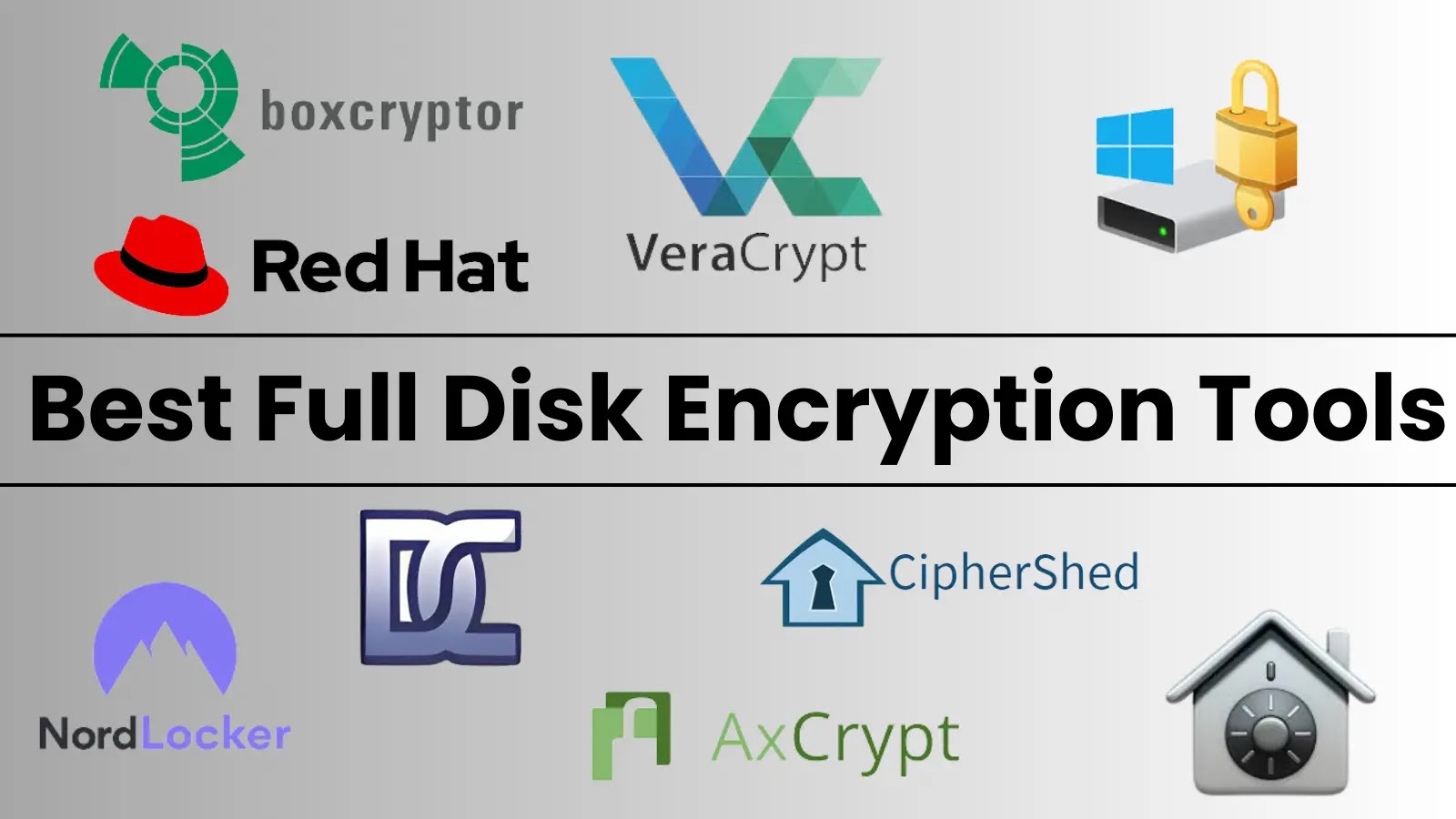
10 Best Full Disk Encryption Tools in 2026
Based on our analysis of current trends, industry adoption, and security efficacy, here are the top 10 full disk encryption tools poised to dominate the market in 2026:
- BitLocker (Microsoft): Integrated into Windows Pro and Enterprise editions, BitLocker offers robust AES-256 encryption with TPM integration for enhanced security. Its seamless integration with the Windows ecosystem makes it a popular choice for many organizations.
- FileVault 2 (Apple): Apple’s native FDE solution for macOS, FileVault 2 also utilizes AES-256 encryption. It’s renowned for its ease of use and deep integration with the macOS environment, offering secure boot and iCloud Key Chain recovery.
- VeraCrypt: An open-source, cross-platform disk encryption software, VeraCrypt is a successor to TrueCrypt. It supports a wide range of encryption algorithms (AES, Serpent, Twofish) and offers plausible deniability features, making it a favorite among privacy advocates and those requiring high levels of customization.
- Symantec Endpoint Encryption: A comprehensive enterprise-grade solution offering FDE for desktops, laptops, and removable media. It provides centralized management, strong authentication options, and robust compliance features.
- Check Point Full Disk Encryption: Part of Check Point’s Endpoint Security suite, this tool offers robust FDE with multi-factor authentication, remote kill capabilities, and centralized management for large organizations.
- Sophos Central Device Encryption: This cloud-managed FDE solution simplifies deployment and management across diverse environments. It leverages native OS encryption (BitLocker and FileVault) while providing centralized policy enforcement and reporting.
- WinMagic SecureDoc: SecureDoc offers comprehensive data encryption for all types of endpoints, including desktops, laptops, servers, and removable media. Key features include pre-boot authentication, strong multi-factor authentication, and robust key management.
- McAfee Drive Encryption (now Trellix Endpoint Security – Encryption): A mature enterprise FDE solution known for its centralized management console, strong reporting, and robust data protection features across various platforms.
- Dell Data Protection | Encryption (DDPE): Specifically designed for Dell hardware, DDPE provides a hardware-rooted encryption solution that integrates seamlessly with Dell endpoints, offering pre-boot authentication and robust management.
- LUKS (Linux Unified Key Setup): The standard for disk encryption on Linux systems, LUKS offers flexible and robust encryption, supporting various algorithms and key management options. It’s often used with utilities like
cryptsetupfor managing encrypted volumes.
Remediation Actions and Best Practices for FDE Implementation
Implementing FDE is a critical step, but its effectiveness hinges on proper setup and ongoing management. Consider these best practices:
- Strong Password Policy: Complement FDE with strong, unique passwords for pre-boot authentication. Never use default or easily guessable passwords.
- Key Management: Securely store recovery keys and escrow them according to organizational policy. For enterprise solutions, centralized key management is essential.
- Regular Updates: Keep your FDE software and operating system updated to patch any known vulnerabilities that could bypass encryption, such as potential issues highlighted by CVEs like CVE-2024-XXXXX (hypothetical CVE for an FDE bypass).
- Backup Encrypted Data: While FDE protects data at rest, it doesn’t replace the need for regular backups. Ensure your backup strategy accounts for encrypted data recovery.
- Employee Training: Educate users on the importance of FDE, proper password hygiene, and how to report lost or stolen devices immediately.
- Integrate with Identity and Access Management (IAM): For enterprise deployments, integrate FDE with your existing IAM solutions for streamlined user authentication and policy enforcement.
- Test Recovery Procedures: Periodically test your data recovery procedures to ensure that encrypted data can be accessed in case of emergencies or forgotten passwords.
Conclusion
Full Disk Encryption is no longer an optional security measure; it’s a foundational pillar of any robust cybersecurity strategy. As data continues to be a prime target for malicious actors, and the mobility of devices increases, the ability to secure data at rest against physical compromise becomes paramount. The tools highlighted above represent the leading edge of FDE technology, offering diverse solutions for individuals, small businesses, and large enterprises alike. By understanding the capabilities of these tools and adhering to best practices, organizations can significantly bolster their data protection posture, safeguarding sensitive information against an ever-evolving threat landscape.




