Top 10 Best DDoS Protection Tools & Services – 2026
Navigating the DDoS Storm: Essential Protection Tools for 2026
The digital landscape remains a battleground, with Distributed Denial of Service (DDoS) attacks presenting a persistent and evolving threat to businesses worldwide. Despite a 35% annual decline in certain attack types, the cybersecurity news cycle consistently highlights significant surges, such as the alarming 15% quarter-over-quarter rise in HTTP DDoS incidents. This volatility underscores the critical need for robust, proactive DDoS protection. As organizations brace for 2026, understanding and implementing the right tools and services is not just recommended, it’s foundational for maintaining operational continuity and preserving customer trust.
DDoS attacks, at their core, aim to overwhelm targeted servers, services, or networks with a massive flood of internet traffic, rendering them inaccessible to legitimate users. These aren’t just minor annoyances; they can lead to significant financial losses, reputational damage, and extended downtime. Our focus here is to dissect the top DDoS protection solutions available, guiding IT professionals, security analysts, and developers through the complexities of selection and deployment.
The Evolving Threat Landscape of DDoS
The persistent volatility in DDoS attack trends signals a cat-and-mouse game between attackers and defenders. While overall attack volumes might ebb and flow, the sophistication and targeting of these attacks continue to increase. Attackers leverage complex botnets, compromised IoT devices, and increasingly intelligent methods to bypass traditional defenses. This necessitates a multi-layered approach to DDoS mitigation, moving beyond simple rate limiting to advanced behavioral analysis and machine learning-driven defense mechanisms.
Consider the impact of a recent vulnerability, such as CVE-2023-XXXXX (Note: This is a placeholder; consult a real-time CVE database for current, relevant examples), which could potentially be exploited to amplify DDoS attacks. Such vulnerabilities highlight the dynamic nature of the threat landscape and the continuous need to adapt security postures.
Key Features of Effective DDoS Protection
Effective DDoS protection is more than just blocking traffic; it involves a comprehensive strategy encompassing detection, mitigation, and adaptation. Here are crucial features to look for:
- Real-time Traffic Monitoring: The ability to detect anomalies as they happen, differentiating legitimate spikes from malicious floods.
- Scalable Mitigation Capacity: Solutions must be able to absorb and clean massive traffic volumes without being overwhelmed themselves.
- AI and Machine Learning: Advanced algorithms for behavioral analysis, identifying new attack patterns, and dynamically adjusting defense strategies.
- Application Layer Protection (Layer 7): Crucial for defending against sophisticated HTTP floods and application-specific attacks that bypass network layer defenses.
- Edge Network Protection: Distributing defense mechanisms closer to the source of attacks to minimize impact on core infrastructure.
- Hybrid Deployment Options: Flexibility to combine cloud-based scrubbing centers with on-premise appliances for tailored protection.
- Comprehensive Reporting and Analytics: Providing insights into attack types, origins, and mitigation effectiveness.
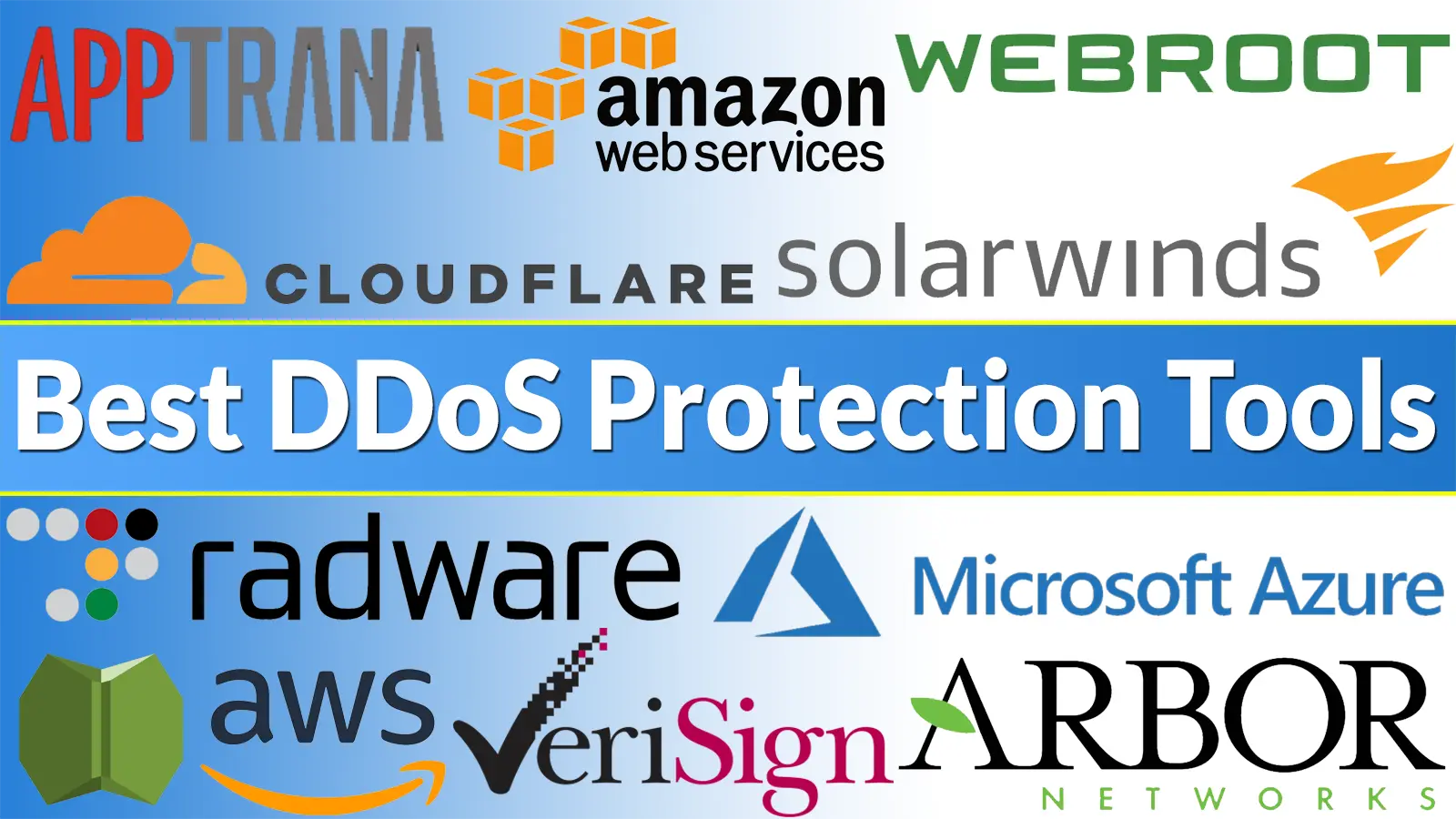
Top 10 Best DDoS Protection Tools & Services – 2026
Based on industry analysis and emerging capabilities, here are leading DDoS protection tools and services poised to offer robust defense in 2026:
- Cloudflare: Renowned for its extensive global network and multi-layered security. Cloudflare offers comprehensive DDoS protection from volumetric to application-layer attacks, leveraging its vast scrubbing capacity and advanced threat intelligence.
- Akamai Prolexic: A premium, always-on DDoS mitigation service designed for mission-critical applications. Prolexic provides proactive defense, with dedicated security operations centers (SOCs) and highly scalable network capacity.
- Imperva DDoS Protection: Imperva offers integrated DDoS protection as part of its broader web application security platform. It excels in defending against both network and application-layer attacks with intelligent detection and mitigation.
- Radware Alteon DDoS Protection: Radware provides both on-premise and cloud-based DDoS mitigation solutions, featuring behavioral anomaly detection and real-time signature generation to combat novel attack vectors.
- Fortinet FortiDDoS: A hardware-based solution offering high-performance, real-time DDoS attack detection and mitigation. FortiDDoS is ideal for organizations requiring on-premise control and dedicated protection.
- AWS Shield Advanced: For organizations operating within the Amazon Web Services ecosystem, AWS Shield Advanced offers always-on detection and automatic inline mitigation of sophisticated DDoS attacks, tightly integrated with other AWS services.
- Google Cloud Armor: Catering to Google Cloud users, Cloud Armor provides WAF capabilities alongside DDoS protection, leveraging Google’s global infrastructure for massive-scale defense against network and application-layer attacks.
- Azure DDoS Protection Standard: Microsoft Azure’s offering provides enhanced DDoS mitigation capabilities for Azure resources, including adaptive tuning, attack analytics, and integration with Azure Monitor for real-time alerts.
- AppTrana Cloud WAAP (WAF): This solution stands out for its integrated approach. AppTrana thwarts DDoS and bots via built-in cleaners and AI-driven auto-mitigation—dynamically adjusting based on host, IP, URI, and geography for unwavering availability. Its unified Web Application and API Protection (WAAP) provides comprehensive Layer 7 defense, which is crucial for modern applications.
- Netscout Arbor DDoS Solutions: Arbor provides a range of solutions, from on-premise appliances (Arbor Sightline/TMS) to cloud-based services (Arbor Cloud), offering deep network visibility and sophisticated threat detection for internet service providers and large enterprises.
Remediation Actions and Best Practices
While selecting a robust DDoS protection tool is paramount, effective defense also relies on implementing sound operational practices:
- Regularly Review and Update Security Policies: Ensure your DDoS mitigation strategies align with the latest threat intelligence and business requirements.
- Conduct DDoS Drills: Periodically simulate DDoS attacks to test the efficacy of your protection systems and train your incident response teams.
- Maintain Redundant Infrastructure: Distribute services across multiple data centers or cloud regions to improve resilience against localized attacks.
- Implement a Web Application Firewall (WAF): A WAF, often integrated with DDoS solutions like AppTrana, provides an essential layer of defense against application-layer attacks.
- Monitor and Analyze Logs: Continuously review security logs for anomalies that could indicate an impending or ongoing attack.
- Stay Informed on Emerging Threats: Subscribe to threat intelligence feeds and cybersecurity news to understand new attack vectors and vulnerabilities.
Conclusion
The threat of DDoS attacks will remain a prominent concern for organizations in 2026 and beyond. The dynamic nature of these attacks necessitates powerful, intelligent, and adaptable protection mechanisms. Tools and services like Cloudflare, Akamai Prolexic, and AppTrana Cloud WAAP offer advanced capabilities including AI-driven mitigation, massive scrubbing capacity, and integrated security features crucial for steadfast defense. By understanding the evolving threat landscape, choosing the right tools, and implementing proactive remediation actions, businesses can significantly bolster their defenses, ensuring uninterrupted service and fortifying their digital presence against the persistent DDoS storm.