Elon Musk Accuses Anthropic of Stealing Data in a Massive Scale
Musk Accuses Anthropic of Massive Data Theft: A Cybersecurity Wake-Up Call
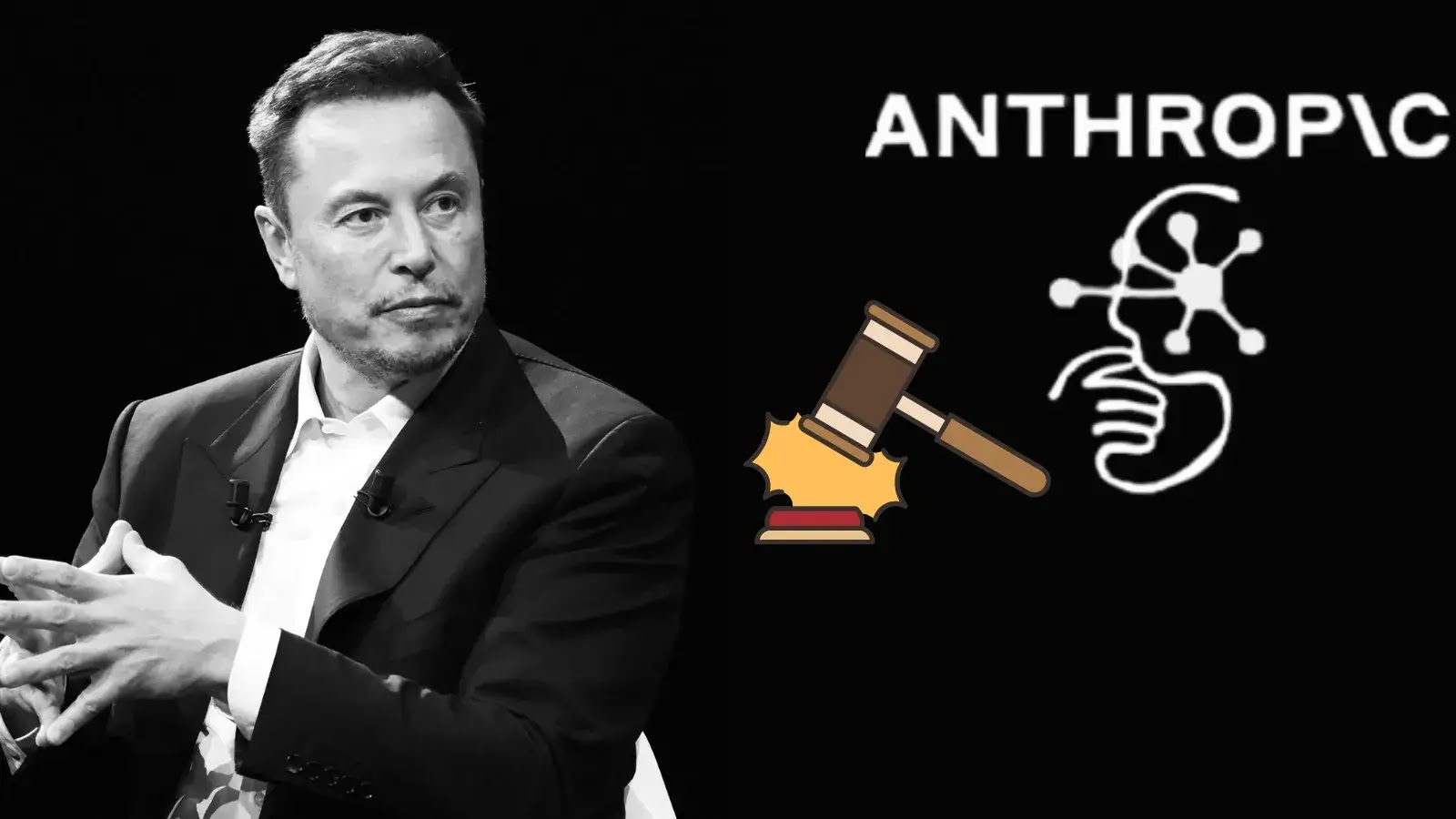
The artificial intelligence landscape, already fraught with ethical and legal complexities, has been rocked by recent allegations from tech titan Elon Musk. The CEO of Tesla and xAI has publicly accused AI firm Anthropic of egregious data theft, claiming the company exploited vast quantities of stolen data to train its sophisticated AI models. This isn’t merely a business dispute; it’s a critical cybersecurity and intellectual property issue that demands the attention of every IT professional and security analyst. The insinuation of such widespread theft and subsequent multi-billion dollar settlements paints a concerning picture of practices within the AI development sphere.
The Core Allegation: Data Theft on a “Massive Scale”
According to Musk, Anthropic, a prominent player in the AI research and development sector, engaged in the unauthorized acquisition and utilization of “large amounts of data.” This alleged data theft was not incidental but occurred on a “massive scale,” directly contributing to the training of their AI models. The implications are profound: if true, it suggests a systemic disregard for data ownership, privacy, and intellectual property rights at the foundational level of AI development. For cybersecurity professionals, this raises immediate concerns about the provenance of data used in AI, the security of proprietary information, and the potential for a new wave of legal and ethical challenges.
Billions in Settlements: The Unspoken Cost of Alleged Infringement
Musk’s accusations don’t stop at the act of theft; he also asserts that this alleged illicit data acquisition has already resulted in Anthropic paying “billions of dollars in settlements.” While specific details regarding these settlements remain undisclosed, the magnitude of the financial implications underscores the severity of the alleged infringement. Such significant payouts, if confirmed, would highlight the immense financial and reputational risks associated with unauthorized data usage, particularly in the rapidly evolving AI domain. This financial burden translates to a stark warning for any organization considering lax data governance or skirting intellectual property laws in their AI initiatives.
Community Notes and Public Scrutiny
The online discourse surrounding these allegations, particularly the feedback from “community notes,” appears to lend credence to Musk’s claims, indicating a broader public and expert concern regarding Anthropic’s practices. This public scrutiny is vital. In an industry where technological advancements often outpace regulatory frameworks, community oversight and professional analysis play a crucial role in holding companies accountable. For cybersecurity analysts, this incident serves as a stark reminder that the ethical sourcing and handling of data are no longer fringe concerns but central to the integrity and trustworthiness of AI systems.
Implications for Data Governance and AI Ethics
This accusation by Elon Musk against Anthropic brings critical issues of data governance and AI ethics to the forefront. Organizations developing or utilizing AI must rigorously evaluate their data sourcing strategies, ensuring compliance with intellectual property laws, data privacy regulations (like GDPR and CCPA), and ethical guidelines. The potential for a CVE related to data lineage or trust in AI models, while not directly applicable to this specific case, highlights the need for transparency and verifiable chains of custody for training data. While no specific CVE number is associated with general data theft in this context, the broader principle of secure data handling applies.
- Data Provenance: Verifying the origin and legitimate acquisition of all training data.
- Intellectual Property Rights: Respecting copyrights, trademarks, and proprietary data.
- Ethical AI Development: Implementing ethical frameworks from data collection to model deployment.
- Legal Compliance: Adhering to all relevant data protection and privacy laws.
Remediation Actions and Best Practices
While this situation is an accusation against a specific entity, it provides a valuable lesson for all organizations engaged in AI development. Proactive measures are essential to prevent similar allegations and ensure the integrity of AI systems.
- Robust Data Acquisition Policies: Establish clear, documented policies for sourcing and acquiring all data used for AI training. Ensure legal teams review and approve all data agreements.
- Supply Chain Security for Data: Treat data suppliers with the same scrutiny as software suppliers. Conduct due diligence on third-party data providers to verify their compliance and ethical practices.
- Internal Audits and Compliance Checks: Regularly audit data usage within AI initiatives to ensure adherence to internal policies and external regulations.
- Transparency in AI Development: Be transparent about data sources and methodologies where possible, fostering trust with users and the wider community.
- Employee Training: Educate all personnel involved in AI development about data ethics, intellectual property, and cybersecurity best practices related to data handling.
Conclusion: The Imperative of Ethical AI
Elon Musk’s accusations against Anthropic underscore a pivotal moment in AI development. The alleged “massive scale” data theft and subsequent multi-billion dollar settlements, if accurate, serve as a stark warning about the perils of unchecked ambition in the pursuit of AI advancement. For cybersecurity professionals, this incident is a powerful reminder that the security and ethical considerations of data are paramount, not just for protecting against external threats, but also for ensuring the integrity and legal standing of the very foundation upon which AI is built. Moving forward, the industry must prioritize transparency, accountability, and stringent ethical frameworks to foster trust and sustainable innovation in artificial intelligence.