How to Secure Your Digital Identity
How to Protect Your Digital Identities: Ways to Secure Your Digital Life
In today’s interconnected world, our digital lives are just as real as our physical ones. Protecting your digital identities has become paramount in managing digital security to your accounts.. From online shopping to managing bank accounts, our personal information is constantly at risk. Understanding the importance of cybersecurity and implementing robust security measures is crucial to safeguard your digital identity and protect your data from cyber threats and identity theft.
Understanding Digital Identities
What are Digital Identities?
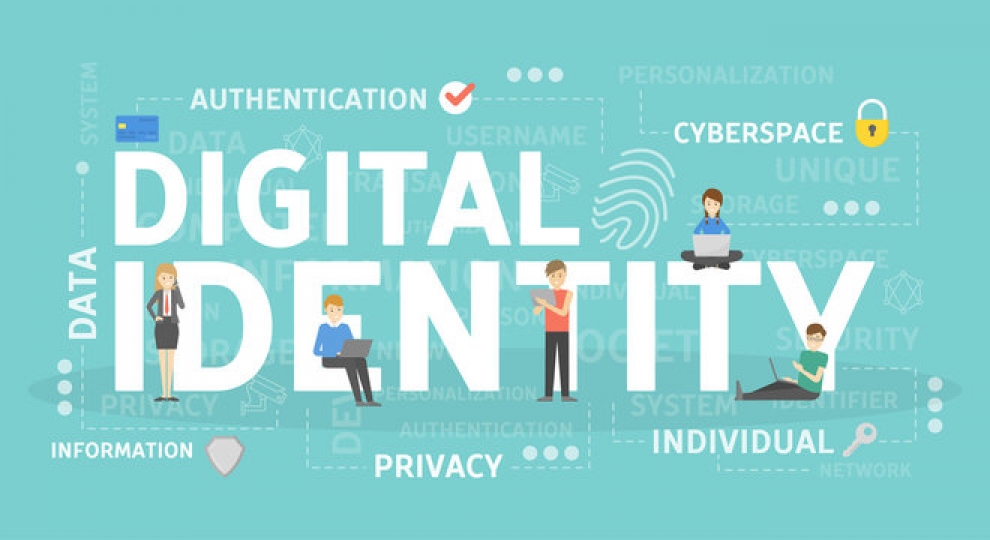
Digital identities are the online representation of ourselves. They encompass all the personal details, credentials, and information online that identify us in the digital world. This includes usernames, passwords, email addresses, social media profiles, and any other data we use to interact online. Effectively managing and safeguarding these digital identities is vital in today’s cybersecurity landscape to prevent unauthorized access and protect your online presence.
The Importance of Protecting Your Digital Identity
The need to protect your digital identity cannot be overstated in the context of managing digital security to your accounts. With the increasing sophistication of cybercriminals, the risk of identity theft and data breach is ever-present. Protecting your digital identity means more than just using a password; it involves adopting comprehensive steps to protect your personal information and online accounts. Safeguarding your digital identity and protecting your data maintains your reputation and financial security.
Common Threats to Digital Identities
Here’s how hackers commonly try to steal your digital identity:
- Phishing attacks
- Malware
- Data breaches
Public Wi-Fi networks also often lack adequate security, making them a hotbed for cyber attacks. Understanding these common threats is the first step in implementing ways to protect your digital identity and ensure your online security against identity theft and other cybercrimes.
Best Practices to Safeguard Your Digital Identity
Creating Strong Passwords
One of the foremost ways to protect your digital identities is to create strong passwords for each of your online accounts. A strong password should be complex and unique, incorporating a mix of uppercase and lowercase letters, numbers, and symbols. Avoid using easily guessable personal information such as birthdays or pet names. Use strong passwords as one of the initial steps to protect your identity and ensure online security.
Implementing Two-Factor Authentication
Implementing two-factor authentication (2FA) adds an extra layer of security to your online accounts. Two-factor authentication requires a second verification method, such as a code sent to your phone, in addition to your password, before granting access. This means that even if a cybercriminal manages to get your password, they will still need access to your second authentication factor to gain unauthorized access. Enable this extra layer to protect your digital identity.
Using a Password Manager
Using a password manager can significantly enhance your cybersecurity. A password manager is a tool that stores all your passwords securely and generates strong, unique passwords for each of your accounts. This not only simplifies password management but also helps to protect your digital identity by reducing the risk of using the same password across multiple sites in your online activities. Consider using a password manager as one of your key steps to protect.
Protecting Personal Information Online

Managing Privacy Settings on Social Media
Managing privacy settings on social media is crucial to safeguard your digital identity and enhance your online activities.. Review and adjust your privacy settings to control who can see your personal information and posts. Limit the amount of personal data you share publicly to minimize the risk of identity theft. Regularly check and update these settings, as social media platforms often change their privacy policies, which can affect your online security.
Being Aware of Phishing Attacks
Be cautious of suspicious emails or messages asking for personal information, and never click on links from unknown sources. Always verify the sender’s authenticity before providing any data to protect your online accounts and personal details from these phishing attempts.
Understanding Your Digital Footprint
Be mindful of the information you share online, as it can be used to build a profile about you. Regularly review your online presence and take steps to protect your digital identity by managing your digital footprint and ensuring that you are taking the necessary steps to protect your data.
Security Measures for Online Accounts

Using Unique Passwords for Different Accounts
One of the most effective security measures you can implement is Using unique passwords for different accounts is essential for managing digital security to your accounts.. Reusing passwords across multiple sites makes you vulnerable; if one account is breached, all accounts using that password are at risk of unauthorized access. A password manager can generate and store strong passwords to help protect your identity, ensuring your online security across all platforms. This practice adds an extra layer of security, keeping your data safe.
Securing Your Connection on Public Wi-Fi
When using public Wi-Fi, your data is more susceptible to cyber threats. Avoid accessing sensitive information, such as bank accounts, when using public networks to ensure the security of your online activities. Use a Virtual Private Network (VPN) to encrypt your connection and help protect your digital identity during your online activities, ensuring you safeguard your digital identity from potential data breach risks. Remember this tip as one of the most vital ways to protect.
Recognizing Signs of a Data Breach
Being able to Recognize the signs of a data breach to effectively manage digital security to your accounts. is crucial for protecting your digital identities. Look out for unusual account activity, such as unauthorized transactions or login attempts from unfamiliar locations, to help in managing digital security to your accounts. Phishing emails may also indicate a breach, as cybercriminals often try to gather personal details after a breach. Regularly monitor your accounts and credit reports to help protect your data and take immediate action if you suspect a data breach. Vigilance is a key component of digital identity protection.
Steps to Protect Your Online Presence
Regularly Updating Passwords
Regularly updating passwords is one of the best practices to safeguard your digital identity and maintain robust online security. Make it a habit to change your passwords every few months, especially for critical accounts like email and bank accounts, to improve your online activities. Create strong passwords that are difficult to guess, incorporating a mix of uppercase and lowercase letters, numbers, and symbols. This simple step can significantly reduce the risk of unauthorized access and protect your identity from cyber threats.
Monitoring Your Accounts for Unauthorized Activity
Actively monitoring your accounts for unauthorized activity is essential to protect your online presence and safeguard your digital identity. Regularly review your account statements, transaction history, and login activity for any suspicious or unfamiliar actions. Enable alerts for unusual activity to receive immediate notifications related to managing digital security to your accounts. Report any unauthorized access or fraudulent transactions to the relevant institutions and take steps to secure your compromised accounts. Vigilance is vital to ensure robust digital identity protection.
Educating Yourself on Cybersecurity Trends
Staying informed about cybersecurity trends and threats is a key component of digital identity protection. Educate yourself about common phishing tactics, malware, and other cyber threats that target personal information to enhance your online activities. Follow cybersecurity news and blogs, attend webinars, and participate in training to enhance your knowledge. By understanding the latest risks and how to mitigate them, you can take proactive steps to help protect your online identity and safeguard your personal data against evolving cyber attacks and identity theft, thus implementing best practices for online security.

How can I protect your identity and avoid falling victim to digital identity theft?
To protect your identity online, use strong and unique passwords for every account, enable two-factor authentication, and monitor your accounts for suspicious activity. Secure online practices, such as avoiding public wi-fi for sensitive transactions and keeping software and mobile device operating systems up to date, help you protect against digital identity theft in the digital age. Regularly review privacy and security settings on online platforms and social media accounts to reduce the chances of becoming a victim of identity fraud.
What are effective ways to protect your digital identity when you shop online and manage online transactions?
When you shop online or conduct online banking, only use reputable websites and look for HTTPS in the URL. Use a secure password manager to create a unique, strong and unique passwords for payment and shopping accounts, and avoid saving payment details on platforms you don’t fully trust. Consider using virtual cards or payment services for added protection, and enable alerts for unusual activity to help you detect fraud in the digital environment.
How can cyber tips to protect my personal and professional accounts from a hacker?
Defending against a hacker requires layered digital security: employ multi-factor authentication, maintain secure password practices, and segment personal and professional accounts so a breach in one area doesn’t compromise the other. Regularly review permission settings on social media accounts and online platforms, remove unused apps, and educate yourself on common online threats like phishing so you can recognize suspicious emails and links before they lead to a compromise.
What precautions should I take when I use public wi-fi to access my identity online or connect to the internet?
Using public wi-fi poses risks to sensitive information and credential safety. If you must use public networks, connect through a reputable VPN to encrypt traffic, avoid accessing online banking or making online transactions, and use apps that enforce secure connections. Keep your device’s firewall and security patches updated, and disable automatic network connections to reduce exposure in the digital realm.
How do I manage and secure sensitive information and credentials across the online world and digital landscape?
Good identity management includes limiting your digital identity, including details you share, such as address and phone number, and keeping copies of important documents offline or in encrypted storage to enhance your online activities. Use a password manager to store credentials, enable account recovery options that don’t rely solely on easily discoverable information, and regularly audit which services have access to your data. These steps will improve privacy and security and help you avoid becoming a victim of identity fraud in the online world.