Continuous Compliance Monitoring: Beyond Annual Audits
Continuous Compliance vs. Periodic Annual Audits: A 2026 Monitoring Guide
In the rapidly evolving digital landscape of 2026, organizations face unprecedented challenges in maintaining robust security postures and adhering to a complex web of regulatory requirements. This guide delves into the critical distinction between traditional periodic annual audits and the more dynamic approach of continuous compliance, offering insights into how businesses can navigate the intricacies of compliance management to safeguard their operations and ensure long-term success.
Understanding Continuous Compliance
Definition of Continuous Compliance
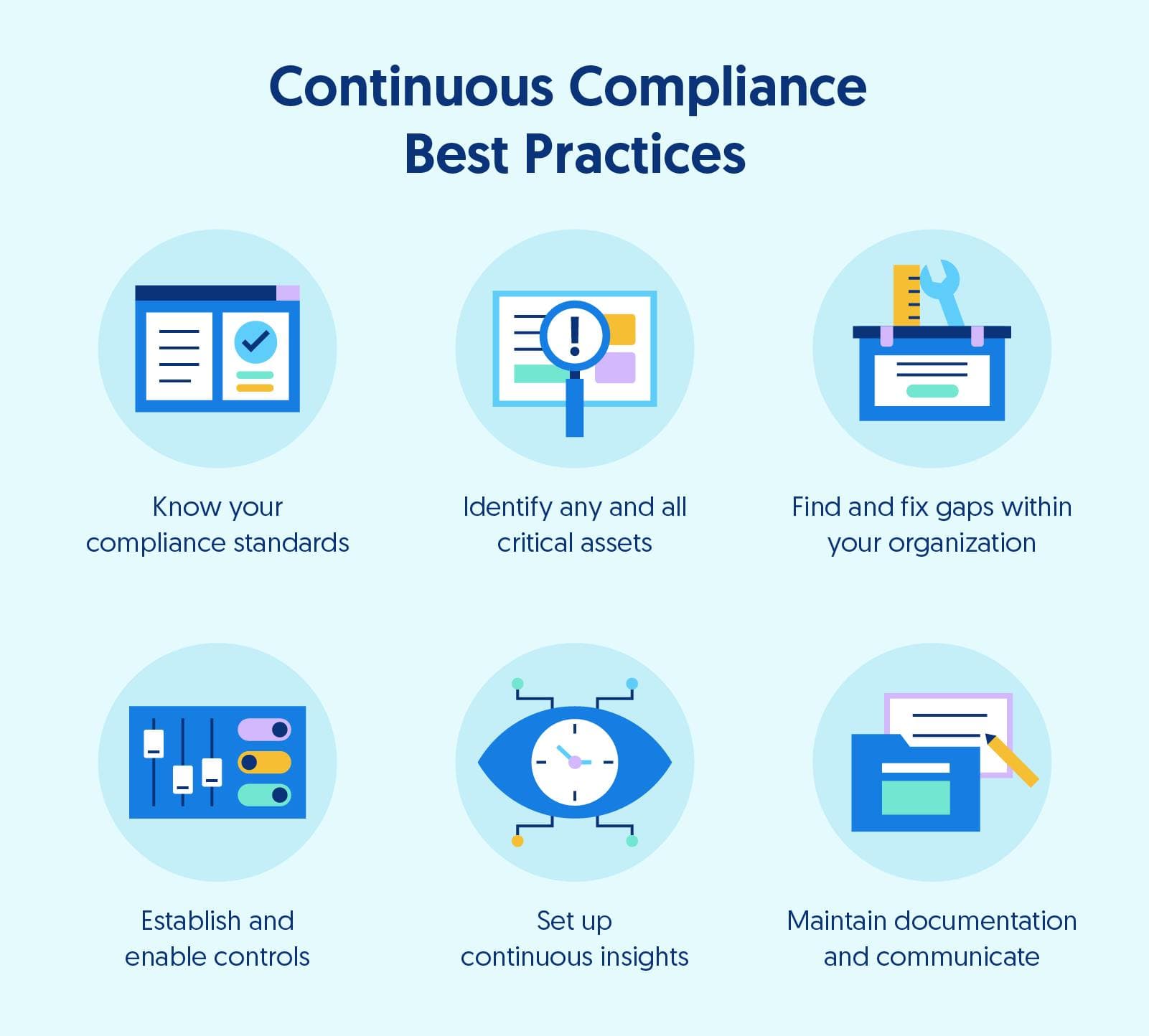
Continuous compliance represents a paradigm shift from the reactive and often burdensome nature of periodic audits to a proactive and integrated approach to regulatory adherence. It involves the systematic and ongoing monitoring of an organization’s systems, processes, and controls requiring continuous monitoring to ensure that they consistently meet specified compliance requirements. Unlike traditional compliance models that rely on retrospective checks, continuous compliance embeds compliance activities into daily operations, leveraging technology to provide real-time visibility into an organization’s compliance posture. This approach aims to identify compliance gaps as they emerge, allowing for immediate remediation and significantly reducing the risk of non-compliance and the associated penalties.
Continuous Compliance Monitoring Techniques
To achieve continuous compliance, organizations must implement continuous monitoring techniques that offer an uninterrupted view of their operational security and regulatory adherence. TeamWin, for instance, offers 24/7 support and monitoring, a cornerstone of effective continuous compliance monitoring. This includes proactive threat management, which employs vigilant monitoring and swift response strategies to anticipate and mitigate cyber risks before they escalate into significant compliance issues. Our managed IT services further encompass ongoing support and comprehensive IT network and security management, ensuring that an organization’s infrastructure is constantly scrutinized for potential vulnerabilities or deviations from established compliance requirements. By integrating advanced compliance tools and automated processes, businesses can maintain an ongoing compliance program that consistently ensures compliance.
Benefits of Continuous Compliance
The benefits of implementing a continuous compliance program are profound, offering a substantial advantage over traditional compliance models. TeamWin’s mission is to empower businesses with secure, scalable, and affordable IT solutions, and continuous compliance is central to this endeavor. Our 24/7 support and monitoring ensure immediate assistance and reliable solutions, fostering an environment where ongoing compliance efforts requiring continuous monitoring are seamlessly integrated. Efficient networking solutions, a key component of our offerings, improve network performance and security requiring continuous monitoring, directly contributing to a stronger compliance posture. Moreover, proactive threat management anticipates and mitigates cyber risks, while cloud security and regulatory assurance safeguard cloud environments and ensure compliance with necessary standards. This holistic approach helps businesses maintain compliance, reduce compliance risks, and achieve continuous oversight of their regulatory obligations, ultimately providing peace of mind and demonstrating a steadfast commitment to security and compliance.
Periodic Audits Explained
What is an Annual Audit?
An annual audit represents a conventional, retrospective examination of an organization’s financial statements, internal controls, and operational processes, typically conducted by external auditors once a year. This rigorous process is designed to provide assurance to stakeholders that the organization’s financial reporting is accurate and that its operations comply with relevant laws and regulations. While crucial for financial transparency and accountability requiring continuous monitoring, the annual audit offers a snapshot in time, meaning its findings reflect the organization’s compliance status only at the moment of the audit. This inherent limitation can leave organizations vulnerable to emerging compliance gaps and security issues that arise between these infrequent checks requiring continuous monitoring. Consequently, a sole reliance on an annual audit can create a reactive compliance posture, making it challenging to maintain compliance proactively in today’s dynamic regulatory landscape.
Understanding Periodic Audits
Periodic audits, encompassing annual audits and other less frequent compliance checks, are characterized by their discrete, time-bound nature. Unlike continuous compliance monitoring, which integrates compliance activities into daily operations, periodic audits involve intensive, often manual, reviews conducted at predetermined intervals. These audits typically require extensive preparation, consuming significant resources and time as organizations scramble to gather documentation and demonstrate their adherence to various compliance requirements. While they serve a vital function in validating an organization’s security and compliance at specific points, their infrequency means that compliance issues or security vulnerabilities can emerge and persist undetected for extended periods. This model often results in a reactive approach to regulatory compliance, where identified compliance gaps are addressed retrospectively, rather than prevented through ongoing compliance efforts and real-time monitoring.
Limitations of Traditional Compliance Audits
Traditional compliance audits, while foundational, present several limitations requiring continuous monitoring that are particularly challenging for Compliance Officers and Risk Managers. These professionals often struggle with keeping systems compliant and with the arduous process of audit preparation, which can divert critical resources from strategic initiatives. The retrospective nature of these periodic audits means that compliance gaps and security vulnerabilities can remain unaddressed for significant periods, leading to potential regulatory penalties and reputational damage. Furthermore, traditional audits often fail to adequately address third-party risks requiring continuous monitoring, an increasingly critical component of a robust compliance program in an interconnected business environment. Without continuous oversight and real-time compliance insights, organizations are left exposed to evolving threats and regulatory changes, making it difficult to maintain continuous compliance and achieve true audit readiness.
Implementing Continuous Compliance
Steps to Implement Continuous Compliance
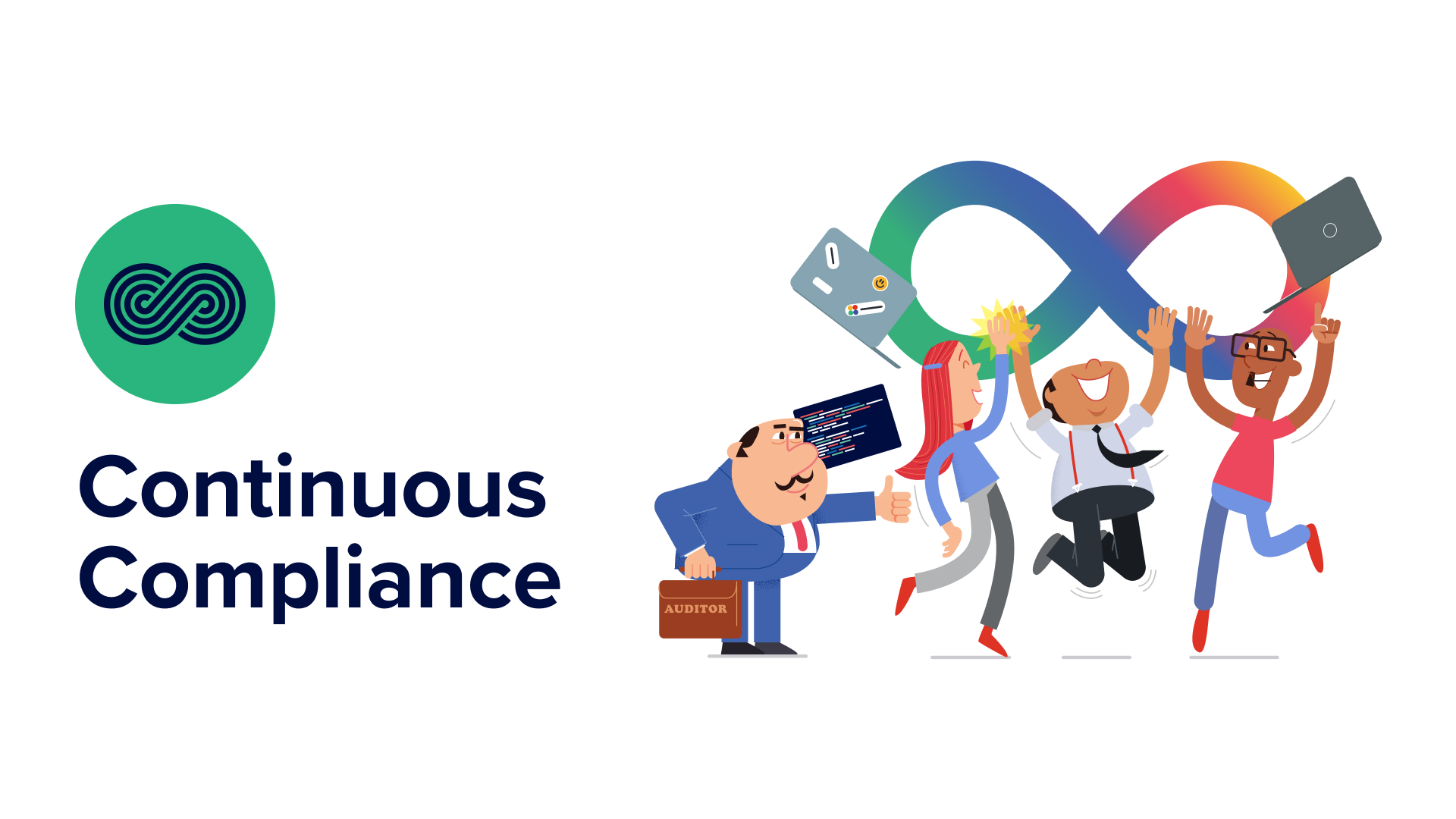
Implementing continuous compliance requires a methodical approach that integrates security and compliance into every facet of an organization’s operations, moving beyond the limitations of periodic audits. The initial step involves a comprehensive Expert Network Security Assessment, which meticulously analyzes and identifies existing security vulnerabilities across the entire infrastructure. This assessment is crucial for establishing a baseline compliance posture and uncovering potential compliance gaps. Following this, robust planning and rigorous testing of solutions are undertaken to address the identified vulnerabilities and ensure that all security measures align with regulatory compliance requirements. The final phase involves the systematic execution of these security measures, followed by ongoing reassessment and continuous monitoring to maintain compliance status, thereby ensuring that the organization achieves continuous compliance and is always audit ready.
Compliance Automation Tools
To effectively implement continuous compliance, organizations must leverage sophisticated compliance automation tools that can streamline and enhance compliance activities. Teamwin Global Technologica, for instance, offers an advanced Endpoint Privilege Tool called AdminbyRequest, which is instrumental in regaining control over user privileges and safeguarding sensitive data. This tool is meticulously designed to protect endpoints by judiciously managing local admin privileges, thereby significantly reducing the attack surface and mitigating compliance risks associated with unauthorized access. By automating the control of privileges, organizations can ensure ongoing compliance with internal policies and external regulatory frameworks, transforming what might otherwise be a manual compliance burden into an efficient and continuously monitored process. This approach helps in embedding compliance directly into the operational fabric, offering real-time compliance insights requiring continuous monitoring and maintaining a robust compliance program.
Compliance Frameworks for Continuous Monitoring
Effective continuous compliance monitoring is intrinsically linked to the adoption of appropriate compliance frameworks that guide an organization’s security and compliance strategy. Teamwin Global Technologica excels in providing Cloud Security & Regulatory Assurance, ensuring that businesses consistently meet necessary compliance standards. Our deep expertise in cloud security and regulatory assurance directly addresses the intricate compliance needs of modern enterprises, particularly for Compliance Officer and Risk Manager personas who must navigate complex regulatory frameworks such as PCI-DSS and HIPAA. By implementing continuous monitoring within these frameworks, organizations can achieve continuous oversight of their systems, allowing for real-time monitoring of compliance status and immediate identification of compliance issues. This proactive approach not only helps maintain compliance but also significantly strengthens the overall compliance posture, moving beyond the limitations of traditional compliance checks and fostering a culture of ongoing compliance efforts.
Compliance Strategies for 2026
Achieving Continuous Compliance
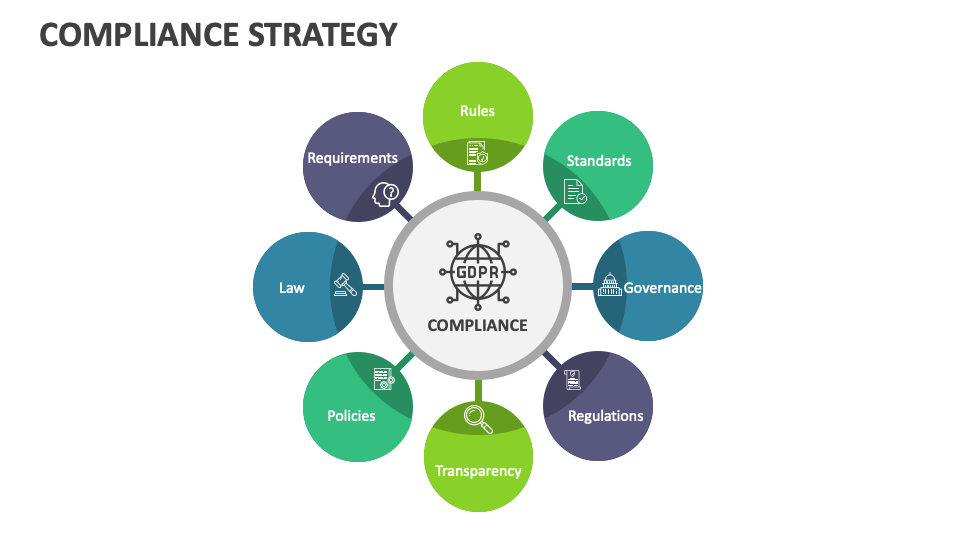
Achieving continuous compliance in 2026 demands a sophisticated and proactive approach, moving beyond the limitations of periodic audits to embed security and compliance deeply within an organization’s operational framework. Teamwin Global Technologica specializes in empowering its clients through a comprehensive suite of IT security solutions, meticulously designed to facilitate this shift. Our offerings, which include robust endpoint security, privileged access management (PAM), and state-of-the-art enterprise CCTV and biometric systems, are foundational to establishing a resilient compliance posture. With 24/7 support and monitoring, we ensure that compliance activities are ongoing, enabling real-time monitoring of compliance status and immediate identification of compliance gaps. This integrated strategy, supported by enterprise AI-driven next-generation firewalls and advanced cyber security measures, ensures that our clients achieve continuous compliance and maintain unwavering regulatory adherence.
Maintaining Compliance Through Monitoring Tools
Maintaining compliance effectively in the face of evolving cyber threats necessitates advanced continuous monitoring tools and unwavering support. Teamwin Global Technologica is committed to ensuring ongoing compliance through our extensive portfolio of services, including 24/7 support and monitoring, which guarantees immediate assistance and reliable solutions whenever needed. Our managed IT services provide comprehensive IT network and security management, coupled with continuous oversight requiring continuous monitoring to address any emerging compliance issues promptly. Proactive threat management, a cornerstone of our offerings, involves vigilant monitoring and swift response strategies, enabling us to anticipate and mitigate cyber risks before they escalate into significant compliance gaps. Furthermore, our real-time Dark Web monitoring capability ensures that potential threats to an organization’s security and compliance are identified and addressed proactively, solidifying a robust continuous compliance program that goes beyond traditional compliance checks.
Developing a Comprehensive Compliance Program
Developing a comprehensive compliance program requiring continuous monitoring is essential for navigating the intricate compliance landscape of 2026 and ensuring sustained regulatory adherence. Teamwin Global Technologica provides a full suite of end-to-end IT infrastructure and security services, meticulously designed to build and maintain an effective continuous compliance program requiring continuous monitoring. This includes advanced firewalls, robust endpoint security, privileged access management (PAM), and endpoint protection management (EPM), all critical components for embedding compliance throughout an organization’s operations. Our enterprise AI-driven next-generation firewalls, real-time Dark Web monitoring, and advanced cyber security measures empower businesses to identify compliance gaps proactively and ensure compliance with various regulatory requirements. By integrating these solutions, coupled with our expert security compliance and access security services, we enable organizations to achieve continuous compliance, transforming compliance management from a reactive burden into a strategic advantage that ensures audit readiness and minimizes compliance risks.

Continuous compliance program: What is continuous compliance monitoring beyond annual audits?
Continuous compliance monitoring goes beyond annual audits by using a compliance platform and monitoring systems to maintain continuous oversight of compliance and security. Instead of point-in-time checks, organizations implement a continuous model and continuous testing to detect compliance drift and compliance violations in near real time. This approach leverages compliance tools and a compliance dashboard to automate compliance, simplify compliance workflows, and provide compliance data and compliance tracking for compliance teams and vendor compliance programs.
Compliance landscape: How do organizations transition from audits to continuous compliance?
Transitioning from audits to continuous compliance requires shifting from episodic reviews to continuous compliance efforts and consistent monitoring requiring continuous monitoring. Teams map compliance controls, define compliance rules, and deploy monitoring systems or a single compliance platform that integrates compliance and risk, vendor compliance, and compliance across cloud and on-prem systems. Automation reduces manual compliance costs and helps ensure compliance across business units, while continuous model practices and continuous testing make continuous compliance achievable and sustainable.
Automate compliance: What technologies and compliance tools make continuous compliance successful?
Successful continuous compliance commonly uses a combination of compliance platforms, monitoring systems, APIs, and security tools that automate compliance checks and compliance tracking. These tools collect compliance data, enforce compliance rules, and update a compliance dashboard for compliance teams requiring continuous monitoring. Incorporating continuous testing and automated remediation reduces compliance issues early, lowers compliance costs, and helps maintain continuous oversight of compliance and security across vendors and internal systems.
Successful continuous compliance: How do you measure compliance coverage and reduce compliance drift?
Measuring compliance coverage requires defining metrics tied to compliance controls, mapping control owners, and using monitoring systems that report coverage gaps on a compliance dashboard. Continuous model practices and continuous testing requiring continuous monitoring identify compliance drift and compliance violations quickly so teams can remediate issues early. Regularly reviewing compliance and risk posture, integrating vendor compliance data, and automating compliance controls improves consistency and supports successful continuous compliance across the environment.
Effective continuous compliance monitoring: What organizational changes are needed to maintain continuous compliance efforts?
Maintaining continuous compliance efforts means reorganizing processes for consistent monitoring and ensuring continuous compliance by aligning compliance teams, security, and IT operations around shared compliance rules and a single compliance platform where possible. Leadership should support audits to a continuous monitoring culture, invest in compliance tools that simplify compliance, and commit resources to monitor compliance and security continuously requiring continuous monitoring. This reduces compliance issues early, controls compliance costs, and creates a modern compliance posture that sustains compliance coverage and reduces risk.